
By Sarah Jenkins
Published: October 24, 2023
Location: Detroit, Michigan
Detroit Ramps Up Investment in Mobility Workforce Development
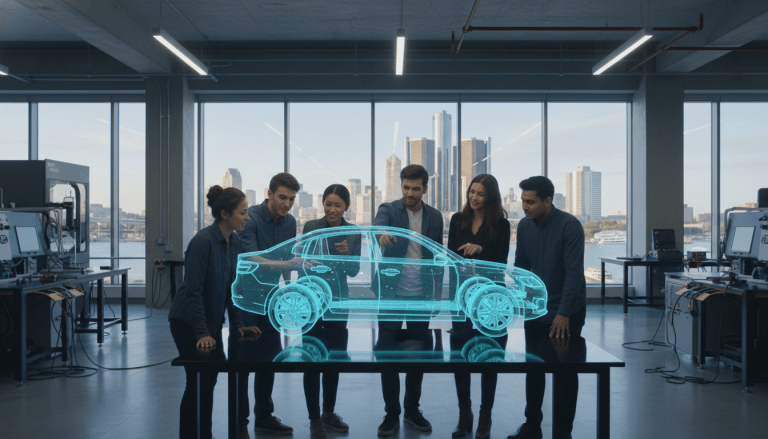
As the global automotive industry undergoes its most significant transformation in a century, the city that put the world on wheels is racing to redefine its talent pool. Detroit is spearheading a massive push in mobility workforce development, aiming to bridge the gap between traditional manufacturing heritage and a future driven by electrification, autonomy, and software.
With major hubs like Michigan Central Station now open and operational, the demand for a specialized workforce has shifted from the assembly line to the coding terminal and the electrical engineering lab. Local leaders and state agencies are now coordinating efforts to ensure Detroiters are not left behind in this transition.
Bridging the Skills Gap in the Motor City
The transition to electric vehicles (EVs) and smart mobility solutions has created a unique paradox in the local economy: while job openings are plentiful, the specific skills required to fill them are in short supply. According to data from the Michigan Economic Development Corporation (MEDC), the state needs to fill thousands of new positions related to EV battery manufacturing and software development over the next decade.
“The definition of an automotive job has fundamentally changed,” said a representative from a local workforce advocacy group. “We are moving from mechanical dominance to a fusion of digital and electrical proficiency. Our training infrastructure is pivoting rapidly to meet this reality.”
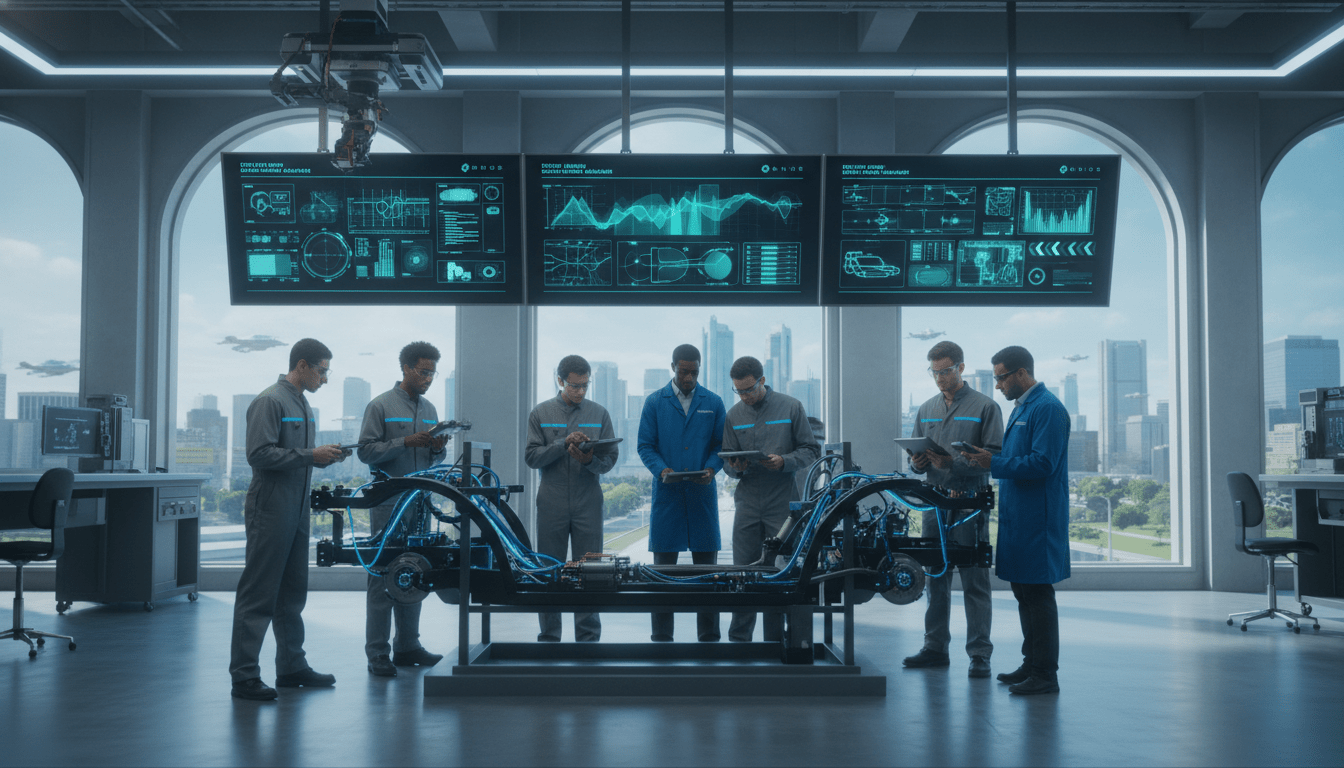
Initiatives like the Michigan Mobility Institute are working to accelerate this shift, focusing on upskilling mid-career professionals and introducing K-12 students to concepts in robotics and coding earlier in their education.
Impact on Detroit Residents
For local residents, the surge in Detroit mobility workforce initiatives represents a tangible economic opportunity. The goal of city officials is to localize the talent pipeline, ensuring that high-paying tech and engineering roles go to Detroiters rather than imported talent from the coasts.
Through partnerships with “Detroit at Work,” the city is offering vocational training programs specifically designed for the EV sector. These programs provide residents with:
- Certification in high-voltage safety systems.
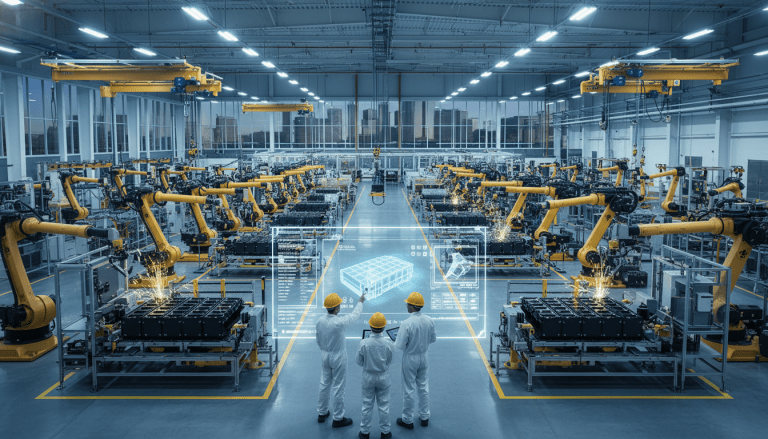
- Training in advanced manufacturing robotics.
- Pathways to apprenticeships with major automakers and Tier 1 suppliers.
By removing barriers to entry—such as tuition costs and access to technical equipment—these programs aim to democratize access to the booming tech economy within the city limits.
Background & Data: The cost of inaction
The urgency for robust mobility workforce development is backed by hard numbers. A report from the Detroit Regional Chamber highlights that the mobility industry contributes billions to the state economy, yet the talent shortage remains the number one threat to growth.
Statewide projections indicate that Michigan could capture a significant portion of the North American EV market, but only if the labor force is ready. Failure to adapt could see investment dollars flow to southern states that have been aggressively courting battery plants.
“We have the legacy and the infrastructure,” noted a source from the Department of Labor and Economic Opportunity. “Now we need the human capital to execute the vision. That is why we are seeing such aggressive investment in training centers right here in Detroit.”
What Happens Next
Looking ahead, the integration of academia and industry will tighten. Expect to see more satellite campuses from major universities embedding directly into innovation districts like Corktown.
Furthermore, as Detroit’s auto sector continues to evolve, workforce development strategies will likely expand beyond technical skills to include soft skills and adaptive learning, preparing workers for an industry where change is the only constant. The success of these programs will determine whether Detroit remains the global leader in mobility for the next century.