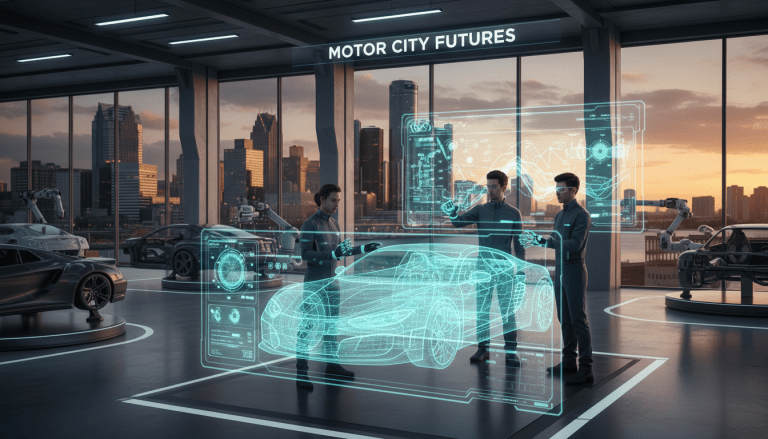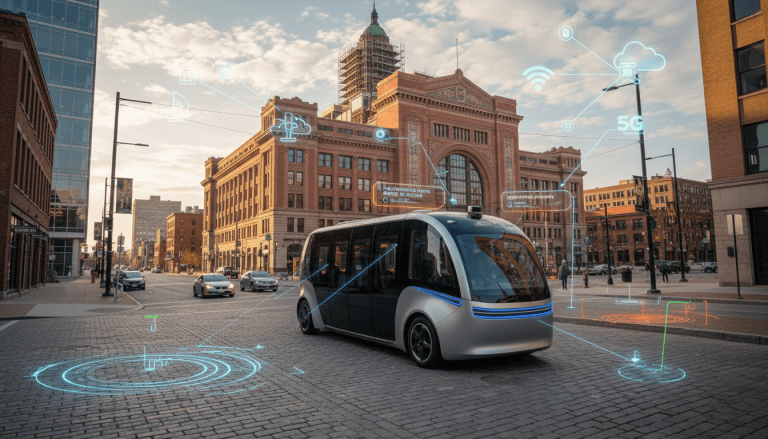

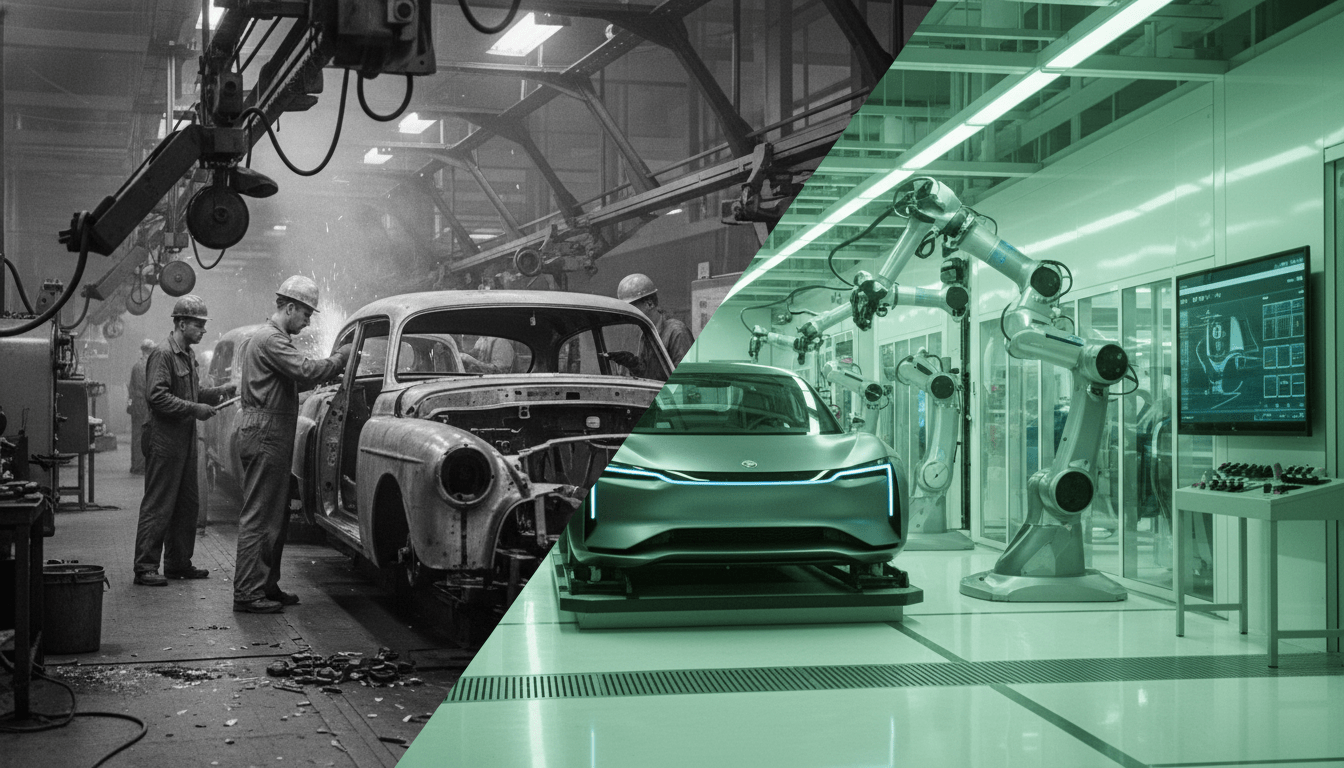
For generations, the Motor City legacy was defined by the rhythmic hum of assembly lines, the smell of molten steel, and the promise of a middle-class life built on the back of the automotive industry. However, as Detroit moves further into the 2020s, that legacy is undergoing a profound transformation. It is no longer solely about the mass production of internal combustion engines; it is about the convergence of heritage and high-tech mobility.
Across the city, historic landmarks that once symbolized the rise and fall of industrial might are being reimagined. From the highly publicized reopening of Michigan Central Station to the quiet retooling of neighborhood factories, Detroit is actively curating a new identity that respects its past while aggressively pursuing a future in electric and autonomous transportation.
The Electric Evolution of Historic Sites
The most visible symbol of this shifting narrative is the revitalization of Michigan Central Station. Once a looming emblem of blight, its restoration by Ford Motor Company represents a pivot point for the city. According to Ford, the site is not merely a restored office building but the anchor of a 30-acre mobility innovation district.
However, the shift extends beyond Corktown. General Motors has transformed its Detroit-Hamtramck assembly plant into "Factory ZERO," the company’s first fully dedicated electric vehicle assembly plant. This facility, which has been a staple of the local economy for decades, now serves as the launchpad for the GMC Hummer EV and the Silverado EV.
Industry analysts point out that this is a critical component of preserving the Motor City legacy. By retrofitting existing footprints rather than abandoning them for greenfield sites in other states, automakers are signaling a continued commitment to the city’s industrial geography. "The infrastructure is here, the talent is here, and the history is here," noted a spokesperson for the Detroit Regional Chamber in a recent economic outlook report.
Impact on Detroit Residents
For the residents of Detroit, this high-tech transition brings both opportunity and anxiety. The promise of the new automotive economy is rooted in jobs that require different skill sets than the assembly jobs of the 20th century. Software engineering, robotics maintenance, and battery chemistry are becoming as valuable as welding and machining.
According to the City of Detroit’s workforce development initiatives, there is a concerted effort to bridge this gap. Programs like "Detroit at Work" are prioritizing training for electric vehicle infrastructure and advanced manufacturing. The goal is to ensure that long-time Detroiters are not left behind as the industry evolves.
Local community leaders have expressed cautious optimism. In neighborhood meetings throughout District 4 and District 5, residents often voice the need for these massive corporate investments to translate into tangible neighborhood improvements—better roads, reduced pollution, and rising property values without displacement. The Motor City legacy, they argue, belongs to the workers as much as the corporations.
Background & Data: The Numbers Behind the Shift
Data from the Michigan Economic Development Corporation (MEDC) highlights the scale of this transition. Michigan has secured billions in EV and battery investments since 2020, with a significant portion centered in Metro Detroit. The state aims to maintain its dominance in automotive R&D, a sector where Detroit still leads the nation.
Furthermore, historical context provided by the Detroit Historical Society reminds us that this is not Detroit’s first reinvention. The city transitioned from stove manufacturing to carriage building, and then to automobiles, over a century ago. The current shift to mobility technology is viewed by historians as a natural continuation of that adaptive spirit.
Tourism and Cultural Heritage
Interestingly, the Motor City legacy is also becoming a major driver of tourism. The Piquette Avenue Plant—the birthplace of the Model T—has seen steady interest from global visitors. Unlike the factories of the future which are often closed to the public due to proprietary technology, these heritage sites allow the public to touch the bricks and mortar that built the middle class.
This duality—high-tech privacy vs. historical accessibility—creates a unique cultural landscape for the city. Visitors come to see where the world was put on wheels, while investors come to see how the world will be driven next.
What Happens Next
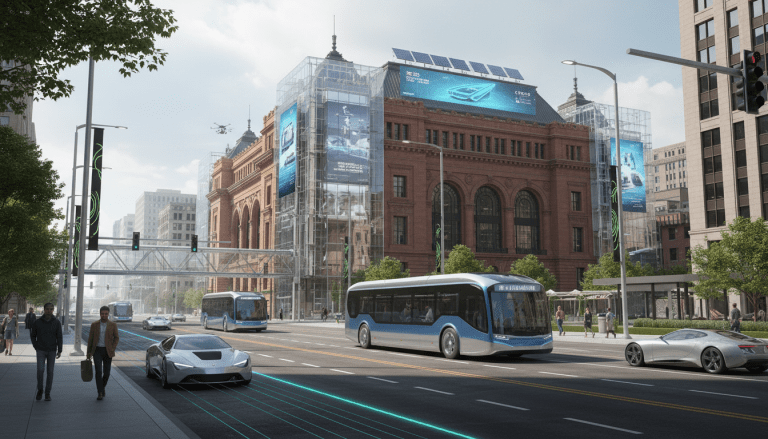
Looking ahead, the definition of "Motor City" will likely expand to include "Mobility City." The deployment of the inductive charging road on 14th Street near Michigan Central is a test case for infrastructure that charges EVs as they drive. If successful, Detroit could become a living lab for smart infrastructure.
For more on how infrastructure projects are reshaping local neighborhoods, read our coverage on Detroit’s transportation updates.
Ultimately, the enduring strength of the Motor City legacy lies in its resilience. Whether fueled by gasoline or lithium-ion batteries, Detroit remains the beating heart of American automotive innovation. The methods of propulsion may change, but the city’s role as a global leader in movement remains constant.