As the winter chill begins to recede in the coming months, the Motor City is already gearing up for what industry experts and city officials anticipate will be one of the most significant years for live entertainment in a decade. Detroit music festivals have long been the heartbeat of the city’s summer cultural calendar, but the 2025 lineup promises to expand beyond entertainment, serving as a critical economic engine for the region.
From the pounding techno beats of Hart Plaza to the intricate improvisations of the world’s largest free jazz gathering, Detroit’s festival season is a testament to the city’s enduring legacy as a global music capital. According to recent projections from the Detroit Metro Convention & Visitors Bureau (Visit Detroit), the influx of international tourists for major musical events is expected to rise by approximately 15% compared to previous years, signaling a full resurgence of the downtown entertainment economy.
The Titans of Techno and Jazz
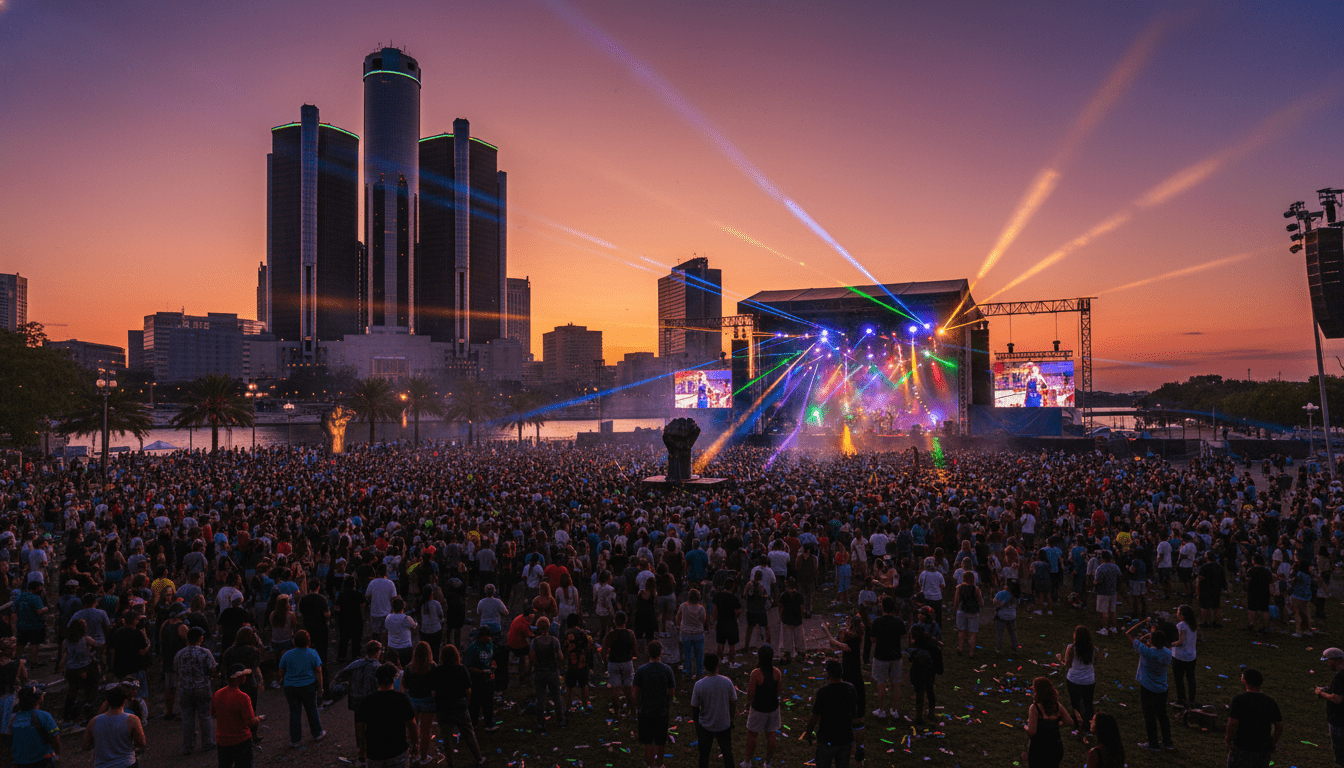
The anchor of the early festival season remains the Movement Electronic Music Festival, traditionally held during Memorial Day weekend. As the birthplace of techno, Detroit holds a unique position on the global stage. Organizers for the 2025 iteration have hinted at a lineup that honors the genre’s Belleville Three roots while integrating the next generation of electronic innovators.
For decades, Movement has transformed Hart Plaza into a concrete playground for electronic music fans. Data from previous years indicates that nearly 60% of Movement attendees travel from outside the state of Michigan, with a significant portion arriving from Europe and Asia. This pilgrimage underscores the festival’s role not just as a party, but as a cultural institution.
Bookending the summer season is the Detroit Jazz Festival, held over Labor Day weekend. Unique among major American music festivals, it remains free to the public, supported by a sizable endowment and corporate sponsorship. The 2025 festival is expected to continue its tradition of featuring jazz legends alongside Detroit’s rich pool of local talent.
“The accessibility of the Jazz Festival is what makes it truly Detroit,” noted a spokesperson for the Detroit Jazz Festival Foundation in a recent press briefing. “It ensures that high-culture music is available to every resident, regardless of their economic standing, which is central to our mission.”
Economic Impact on the City
The ripple effect of Detroit music festivals extends far beyond ticket sales and merchandise. The hospitality sector, including hotels, restaurants, and transportation services, relies heavily on these peak weekends to sustain annual revenue goals.
According to reports from the City of Detroit, major event weekends can generate upwards of $100 million in direct spending within the greater downtown area. This spending supports thousands of service industry jobs and boosts tax revenue that funds vital city services.
Local business owners are preparing for the surge. In Corktown and Midtown, restaurateurs often adjust their hours and staffing levels to accommodate the festival crowds. The synergy between the festivals and the culinary scene is palpable, with many visitors exploring Detroit’s growing food and drink scene in between musical acts.
Community and Neighborhood Festivals
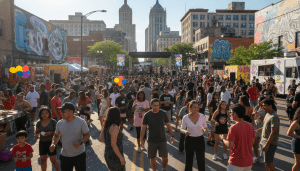
While the downtown giants grab the headlines, the fabric of Detroit’s music scene is equally woven by smaller, neighborhood-centric events. The Concert of Colors, a diversity-themed festival, and Dally in the Alley, held in the Cass Corridor, represent the grassroots spirit of the city.
Dally in the Alley, in particular, operates without corporate sponsorship, relying on community volunteers and local vendor fees. It offers a distinct contrast to the polished production of Hart Plaza events, providing a platform for garage bands, electronic experimentalists, and local artists. These smaller festivals play a crucial role in maintaining the authenticity of Detroit’s culture, ensuring that the local community remains an active participant rather than just a spectator.
Impact on Detroit Residents
For the residents living in and around the downtown core, the festival season brings a mix of excitement and logistical challenges. The vibrancy of a busy city is a selling point for downtown living, yet the reality involves road closures, increased noise levels, and parking scarcity.
The City of Detroit has made efforts in recent years to mitigate these issues. Improved communication regarding road closures and dedicated resident access lanes have been implemented during major events like the Detroit Grand Prix and the NFL Draft, strategies that are now standard procedure for music festivals as well.
Furthermore, the cultural benefit to residents is substantial. Many festivals offer discounted tickets or exclusive early access to locals. The exposure to world-class art and music in one’s backyard is a significant quality-of-life factor that draws young professionals to the city. For those interested in Detroit local living and info, navigating the festival season is a rite of passage.
Safety and Infrastructure Improvements
With large crowds comes the necessity for robust safety measures. The Detroit Police Department (DPD) typically deploys increased patrols during festival weekends. In preparation for the 2025 season, city officials are reviewing crowd control protocols and emergency response plans to ensure the safety of both visitors and residents.
Infrastructure updates are also playing a role. The continued development of the Detroit Riverfront and the expansion of the Joe Louis Greenway are creating more pedestrian-friendly avenues for festival-goers to navigate the city without relying solely on cars. This connectivity is vital for reducing congestion around Hart Plaza and Campus Martius.
What Happens Next?
As 2025 approaches, announcements regarding lineups and ticket sales are imminent. Industry analysts suggest that we may see a rise in “boutique” festivals—smaller, genre-specific events held in venues like the Russell Industrial Center or Eastern Market—complementing the massive outdoor gatherings.
The trajectory is clear: Detroit is leveraging its musical heritage to build a modern, experience-based economy. For music lovers and locals alike, the upcoming season promises to be a celebration of resilience, rhythm, and the indomitable spirit of Detroit.