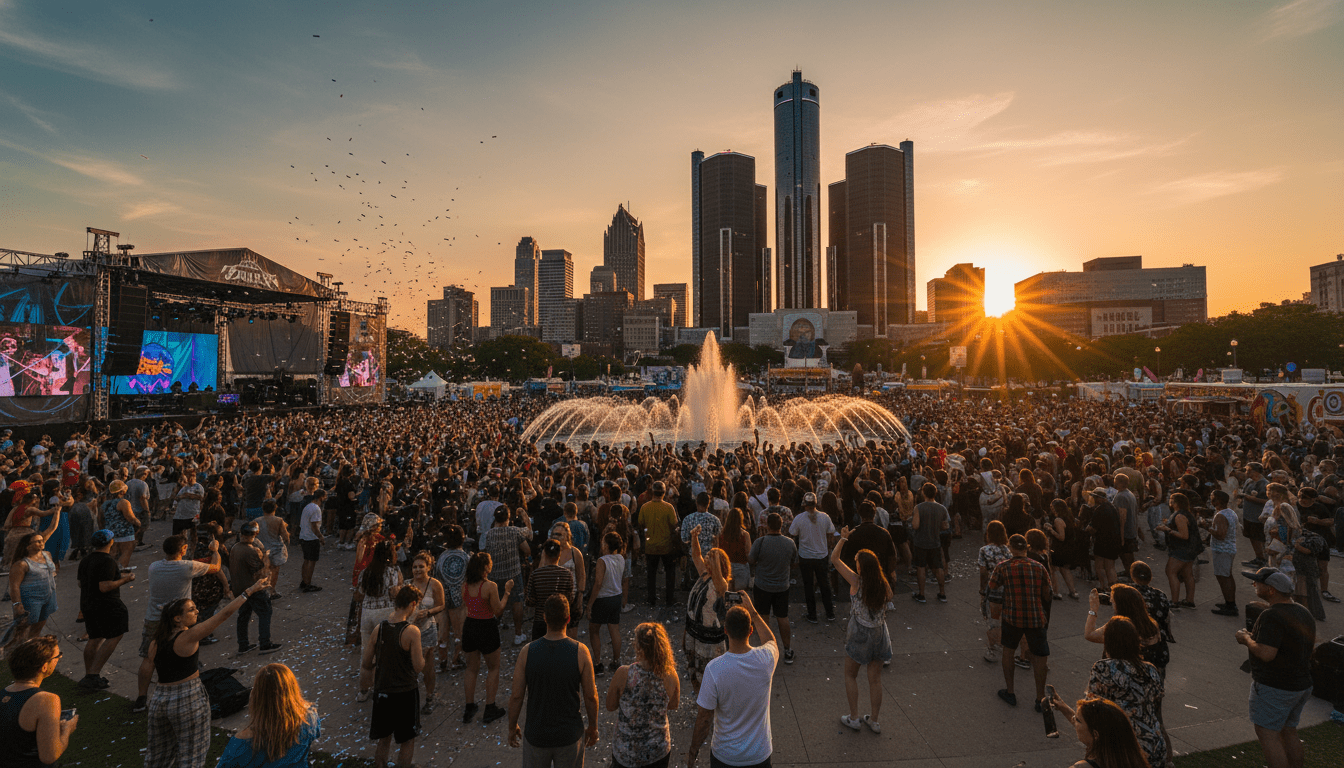
Detroit’s reputation as a global music capital is being reinforced this year as the city prepares for its flagship seasonal events. From the thumping bass of Hart Plaza during Memorial Day weekend to the sophisticated improvisation of Labor Day’s jazz showcases, Detroit music festivals have evolved from mere entertainment into critical economic engines and pillars of community identity. As the 2025 season approaches, city officials and local business leaders are projecting record attendance numbers, underscoring the vital role these gatherings play in the region’s recovery and development.
The Economic Engine of Sound
While Detroit is historically known for the automotive industry, the business of music has become a substantial contributor to the local economy. According to data from Visit Detroit, major events like the Movement Electronic Music Festival and the Detroit Jazz Festival generate tens of millions of dollars in direct spending annually. This influx comes not just from ticket sales, but from hotel bookings, restaurant patronage, and transportation services.
“When we look at the trajectory of summer tourism, the weekends anchored by major music festivals consistently show the highest occupancy rates for downtown hotels,” stated a representative from the Detroit Metro Convention & Visitors Bureau. “These events bring international visitors who might not otherwise choose Detroit as a destination, effectively rebranding the city to a global audience.”
Local business owners in the downtown corridor report that festival weekends can account for a significant percentage of their annual revenue. Restaurants near Hart Plaza and Campus Martius often see wait times triple during these peak periods. For the city’s hospitality sector, which has faced fluctuations in recent years, the consistency of these annual Detroit music festivals provides a necessary financial buffer.
Anchoring the Cultural Calendar: Movement and Jazz Fest
Two specific events serve as the bookends of Detroit’s outdoor festival season, each representing a distinct aspect of the city’s musical heritage. The Movement Electronic Music Festival, held annually over Memorial Day weekend, pays homage to Detroit’s status as the birthplace of techno. Organized by Paxahau, the event draws over 100,000 attendees, many of whom travel from Europe and Asia explicitly to experience the genre in its city of origin.
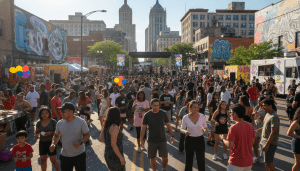
On the other end of the summer spectrum is the Detroit Jazz Festival, the world’s largest free jazz festival. Held over Labor Day weekend, it transforms the city center into a sprawling venue that spans several city blocks. Unlike ticketed events, the Jazz Festival’s open model emphasizes accessibility, ensuring that the cultural wealth of the city is available to residents regardless of income.
“The commitment to keeping the Jazz Festival free is a testament to Detroit’s dedication to arts accessibility,” noted a spokesperson for the Detroit Jazz Festival Foundation. “It allows us to honor our rich jazz lineage while ensuring the next generation of musicians and fans can participate without barriers.”
Impact on Detroit Residents and Neighborhoods
While the economic data highlights tourism, the impact of Detroit music festivals on local residents is multifaceted. Beyond the downtown core, smaller festivals like Dally in the Alley in the Cass Corridor demonstrate how music events foster neighborhood cohesion. These localized gatherings often prioritize local vendors and artists, keeping the generated revenue circulating within the immediate community.
However, the influx of visitors does present challenges for locals. Residents living in downtown lofts and adjacent neighborhoods often cite issues regarding traffic congestion, noise levels, and parking scarcity during festival weekends. The City of Detroit has responded by refining logistical plans, including enhanced public transportation options via the QLINE and People Mover to mitigate gridlock.
Furthermore, there is a growing conversation about ensuring that the benefits of these massive events reach beyond the central business district. Community leaders have advocated for more satellite events or associated programming in neighborhoods outside the 7.2 square miles of downtown and Midtown. By doing so, the economic lift provided by the festival season could be more equitably distributed across the city.
Safety and Infrastructure Investments
With large crowds comes the necessity for robust public safety measures. The Detroit Police Department collaborates closely with private security firms and festival organizers to manage crowd control and emergency response. Recent years have seen increased investments in lighting and pedestrian infrastructure around Hart Plaza and the Riverwalk to ensure attendee safety.
Additionally, the strain on infrastructure serves as a stress test for the city’s public services. Observations from the Department of Public Works indicate that waste management and street cleaning operations are ramped up significantly during these periods. The efficiency with which the city handles these logistics often dictates the public perception of the event’s success as much as the musical lineup itself.
Future Outlook for the Festival Scene
Looking ahead, the landscape of Detroit events and culture is poised for evolution. There is a rising trend of boutique festivals catering to niche genres, filling the gaps between the massive tentpole events. Moreover, the integration of technology and art installations is becoming more prevalent, offering attendees immersive experiences that go beyond audio.
As Detroit continues its revitalization efforts, the strategic importance of its music festivals remains clear. They are not merely parties; they are a demonstration of the city’s resilience, creativity, and hospitality. By balancing the needs of international tourists with the quality of life for residents, Detroit is cementing its status as a premier destination for music lovers worldwide.