
By Sarah Jenkins
Published: October 24, 2025
Location: Detroit, Michigan
Detroit Neighborhood Revitalization Accelerates Beyond the Downtown Core in 2025
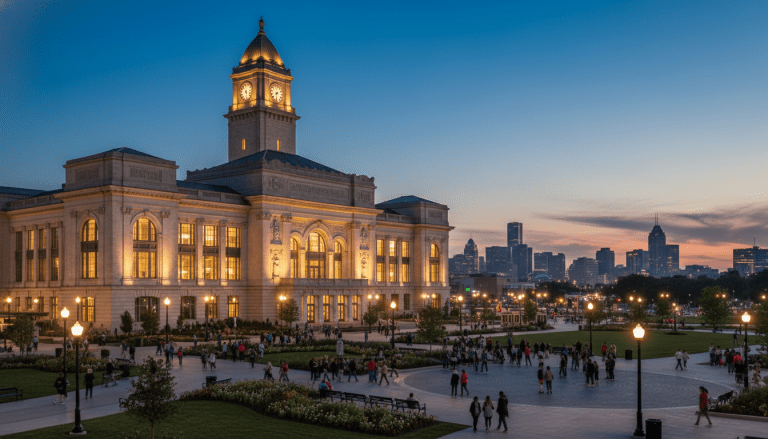
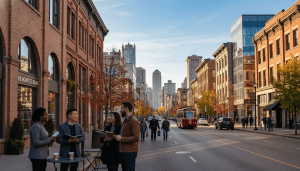
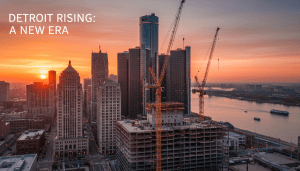
For years, the narrative of Detroit’s comeback focused heavily on the 7.2 square miles comprising Downtown and Midtown. However, recent data from the third quarter of 2025 indicates a significant shift, with capital investment and development projects gaining momentum in neighborhoods previously overlooked by major developers.
Driven by the expansion of the Strategic Neighborhood Fund (SNF) and ripple effects from anchor developments like Michigan Central, Detroit neighborhood revitalization has become the primary focus for city planners and private investors alike. The emphasis has moved from solely commercial corridors to comprehensive residential stabilization and streetscape improvements.
Expanding Investment Zones
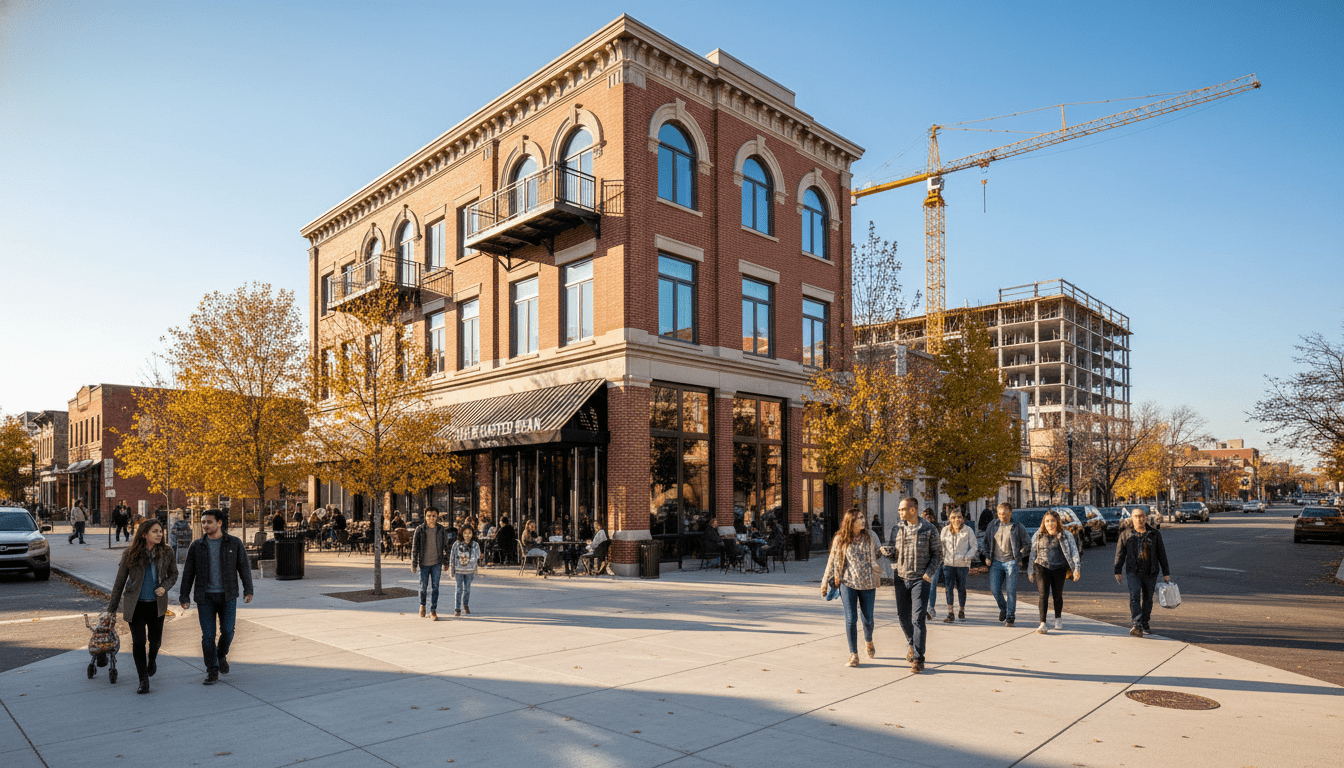
The City of Detroit’s Planning and Development Department has reported a 15% increase in residential building permits issued outside of the greater downtown area compared to the same period in 2024. Neighborhoods such as the North End, Southwest Detroit, and the Fitzgerald neighborhood are seeing a surge in adaptive reuse projects.
According to the City of Detroit, the strategy involves concentrating resources in specific corridors to create dense, walkable communities. “The goal is to ensure that every Detroiter has access to quality housing and amenities within a 20-minute walk of their home,” stated a spokesperson for the Housing and Revitalization Department during a recent press briefing.
Local developers are increasingly utilizing the “middle housing” model, creating duplexes and small apartment buildings that fit the historic character of these areas. This approach aims to increase density without altering the architectural fabric of the community.
Impact on Detroit Residents
For long-time residents, the acceleration of Detroit neighborhood revitalization presents both opportunities and challenges. On one hand, property values are rising. Data from the Detroit Economic Growth Corporation suggests that home equity for long-term homeowners in targeted SNF zones has appreciated significantly over the last three years.
However, concerns regarding affordability remain central to the conversation. To mitigate displacement, the city has enforced stricter requirements for affordable housing units in developments receiving tax abatements. Residents in areas like Corktown have expressed cautious optimism, noting that while new grocery stores and parks are welcome, the rising tax assessments require careful management.
“We are seeing more streetlights, better sidewalks, and new businesses opening up,” said a local business owner in the Avenue of Fashion district. “The challenge now is ensuring that the people who kept these neighborhoods alive during the hard times can afford to stay and enjoy the improvements.”
Background & Data
The revitalization efforts are supported by a mix of public and private funding. The Strategic Neighborhood Fund, a partnership between the City of Detroit and Invest Detroit, has leveraged millions in corporate philanthropy to finance streetscapes and commercial corridors. For more context on how these investments affect the local housing market, readers can review our coverage on Detroit real estate trends.
According to recent U.S. Census Bureau data interpretations, Detroit’s population decline has stabilized in several key neighborhoods for the first time in decades, a metric city officials attribute directly to these targeted revitalization efforts. The stabilization is linked to the rehabilitation of vacant homes rather than solely new construction, preserving the city’s unique housing stock.
What Happens Next
Looking ahead to 2026, the focus is expected to widen to the city’s east side, with new infrastructure projects planned for the Gratiot corridor. The completion of the Gordie Howe International Bridge is also anticipated to spur logistics and commercial development in Southwest Detroit, further fueling Detroit neighborhood revitalization.
City officials have indicated that upcoming town hall meetings will address the next phase of the Solar Neighborhoods initiative, which aims to utilize vacant land for sustainable energy production while providing benefits to local communities. For updates on community meetings and local initiatives, visit our Detroit Local Living section.