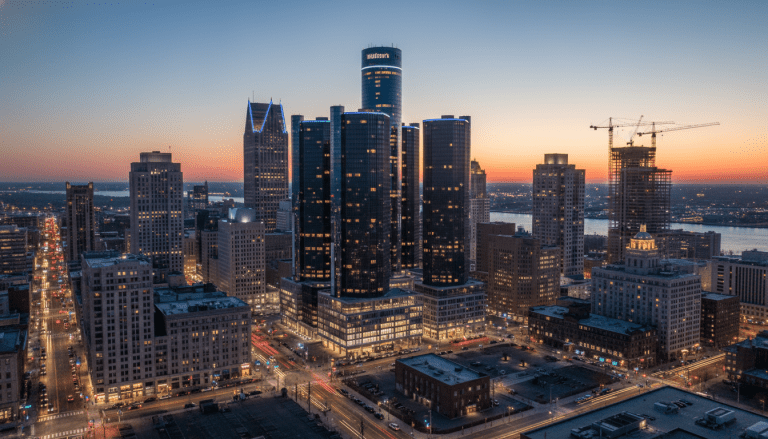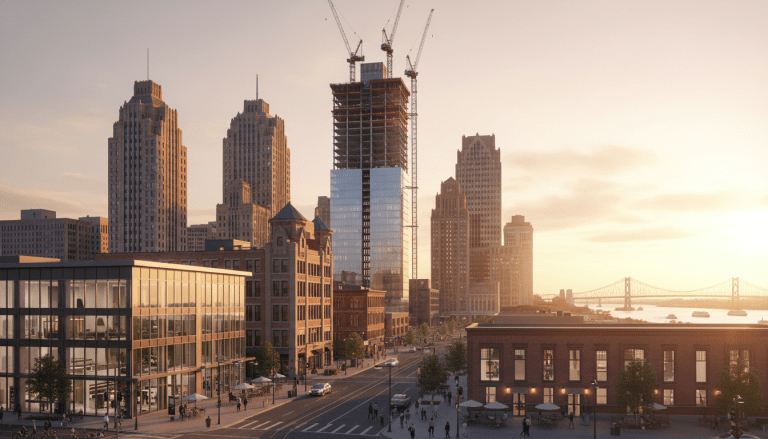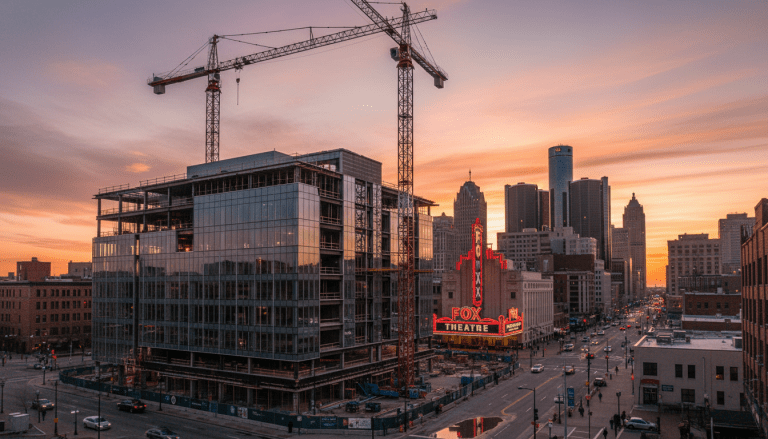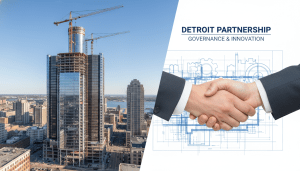

For nearly a decade, the narrative of Detroit’s economic comeback has largely centered on the 7.2 square miles comprising Downtown and Midtown. Skyscrapers have been renovated, professional sports teams have returned to the city center, and residential occupancy rates in the core have surged. However, a significant shift is currently underway as city planners and developers pivot their resources toward a broader, more inclusive goal: comprehensive Detroit neighborhood revitalization.
Moving into late 2024 and 2025, the focus of development has clearly migrated outward. From the livernois Avenue “search Avenue of Fashion” to the changing streetscapes of Southwest Detroit, the city is witnessing a concentrated effort to bring the density, walkability, and economic vibrancy of downtown to the neighborhoods where the vast majority of Detroiters live. This transition marks a critical maturation point in the city’s recovery, testing whether the economic engine of the central business district can successfully jumpstart local economies in residential corridors.
The Strategic Neighborhood Fund and Targeted Investment
At the heart of these efforts is the Strategic Neighborhood Fund (SNF), a partnership between the City of Detroit and Invest Detroit, supported by corporate and philanthropic donors. The initiative was designed to target specific areas aimed at curbing population loss and stimulating economic growth. According to data from the City of Detroit, the goal has been to create dense, walkable, and distinct areas within neighborhoods that can support local commerce.
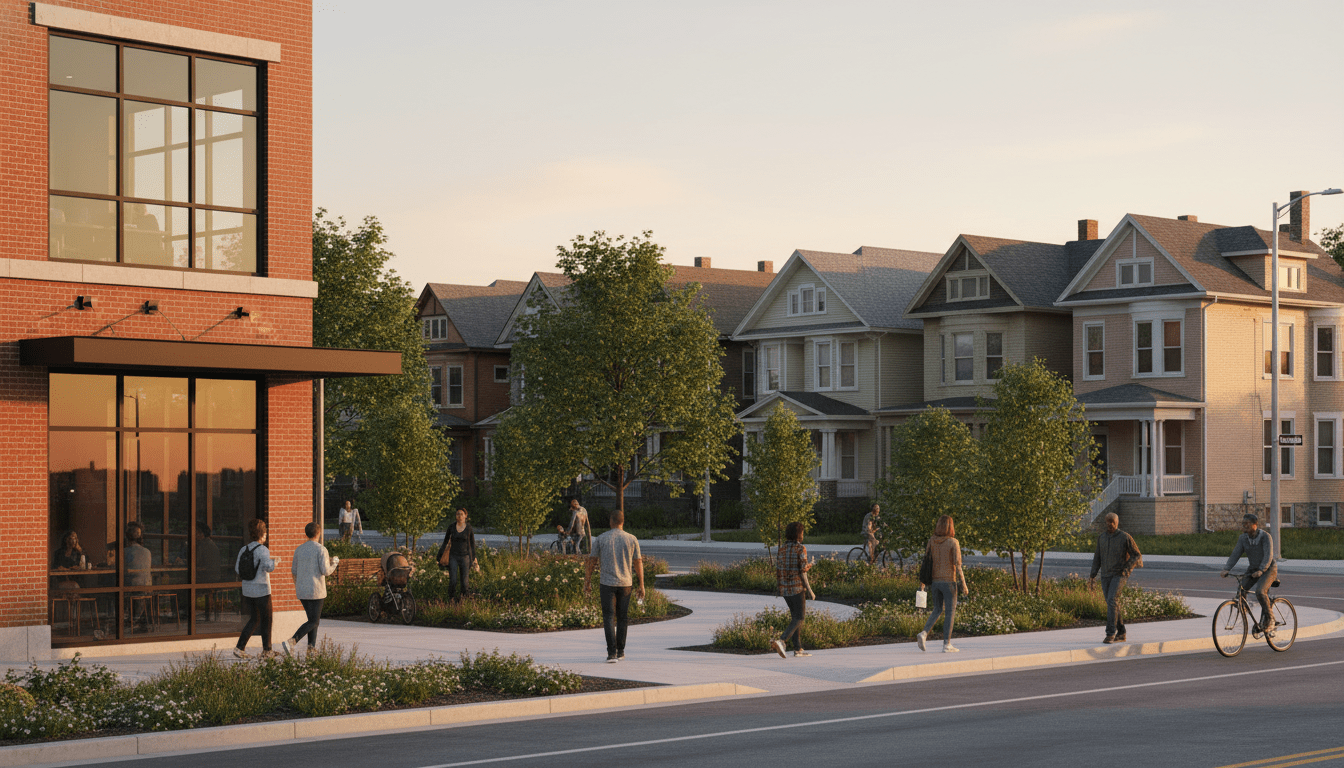
Officials report that the strategy is not just about building housing, but about creating “20-minute neighborhoods” where residents can access groceries, parks, retail, and transit within a 20-minute walk or bike ride. This holistic approach distinguishes current revitalization efforts from the sporadic developments of the past.
“The momentum we are seeing in areas like the Jefferson Chalmers corridor and Warrendale isn’t accidental,” said a spokesperson for the Detroit Economic Growth Corporation (DEGC) in a recent press briefing. “It is the result of layering investments—streetscape improvements, small business grants, and affordable housing tax credits—to create a tipping point for sustainable growth.”
Impact on Detroit Residents and Housing
For long-time residents, Detroit neighborhood revitalization is a complex issue, bringing both welcome amenities and concerns regarding affordability. The preservation of affordable housing remains a central pillar of the city’s development policy. Under current mandates, developers receiving discounted land or tax incentives are often required to set aside at least 20% of units for residents earning below the area median income (AMI).
This policy aims to prevent the displacement often associated with gentrification. In neighborhoods like Corktown, which has seen property values skyrocket following Ford Motor Company’s restoration of Michigan Central Station, the balance is delicate. While property owners have seen their equity increase, renters face a tightening market.
For more on the local housing market trends, read our coverage on Detroit’s shifting real estate landscape.
Local business owners, however, are largely optimistic about the increased foot traffic. “For years, we had to go downtown for a sit-down dinner or to buy clothes,” said Marcus Thorne, a resident and business owner near the Avenue of Fashion. “Now, the investment is happening right here. The streetscapes look better, the lighting is better, and people are actually walking the streets again.”
Addressing Blight: Proposition N and Beyond
A major component of revitalizing these neighborhoods involves addressing the physical scars of the past. The implementation of Proposition N, the bond measure approved by voters to fund the demolition of thousands of blighted homes and the preservation of thousands of others, has accelerated the visual transformation of residential streets.
Data from the City of Detroit Planning and Development Department indicates that stabilizing these neighborhoods involves more than just removing eyesores; it requires filling the gaps with productive land use. The Detroit Land Bank Authority has been aggressive in its side-lot sales programs, allowing neighbors to purchase adjacent vacant lots to expand their yards, creating a sense of ownership and pride that stabilizes blocks.
Commercial Corridors and Small Business
Revitalization is inextricably linked to the health of commercial corridors. The “Motor City Match” program continues to be a vital statistic in this equation, pairing entrepreneurs with real estate opportunities. By focusing on turning vacant storefronts into active businesses, the city is attempting to reverse the “food desert” and “retail desert” narratives that have plagued outer neighborhoods for decades.
Recent openings of grocery stores, co-working spaces, and cafes in areas like Islandview and Old Redford demonstrate that the market demand exists. These businesses serve as community anchors, signaling to private developers that areas outside the downtown core are viable for investment.
Challenges and Future Outlook
Despite the progress, significant challenges remain. Disparities in investment persist, with some neighborhoods seeing rapid transformation while others wait for their turn. Infrastructure issues, particularly regarding flooding and drainage in light of climate change, pose threats to newly revitalized areas. Furthermore, the high cost of construction materials and interest rates in 2024 and 2025 presents headwinds for developers looking to build affordable stock.
However, the trajectory remains upward. The expansion of the Joe Louis Greenway, a 27.5-mile loop of trails and parks, is expected to be a major catalyst for Detroit neighborhood revitalization in the coming years, physically connecting disjointed neighborhoods and raising property values along its path.
As the city moves forward, the success of these initiatives will likely be measured not just by the number of new buildings, but by the stability of the population. For the first time in decades, the Census Bureau estimates suggest the population decline has flattened, a metric that city officials point to as proof that the neighborhood-first strategy is working.
For further reading on local infrastructure projects, see our report on the Joe Louis Greenway progress.
Ultimately, the revitalization of Detroit’s neighborhoods is a long-term project that requires sustained investment and community trust. As cranes become a more common sight outside of downtown, the promise of a fully recovered Detroit becomes increasingly tangible for residents across all districts.