The landscape of Detroit nightlife is undergoing a significant transformation, marked by a shift toward experiential entertainment and a robust recovery in foot traffic across the downtown corridor. As residents and visitors plan their evenings, data from local economic development organizations suggests that the city’s evening economy is becoming a primary driver of post-pandemic revitalization.
While the phrase "Detroit nightlife tonight" often conjures images of specific events or concerts, the broader story is one of structural change. According to recent reports from the Downtown Detroit Partnership (DDP), evening foot traffic in the Central Business District has reached levels comparable to 2019, driven not just by sporting events, but by a surge in culinary and cocktail-focused venues.
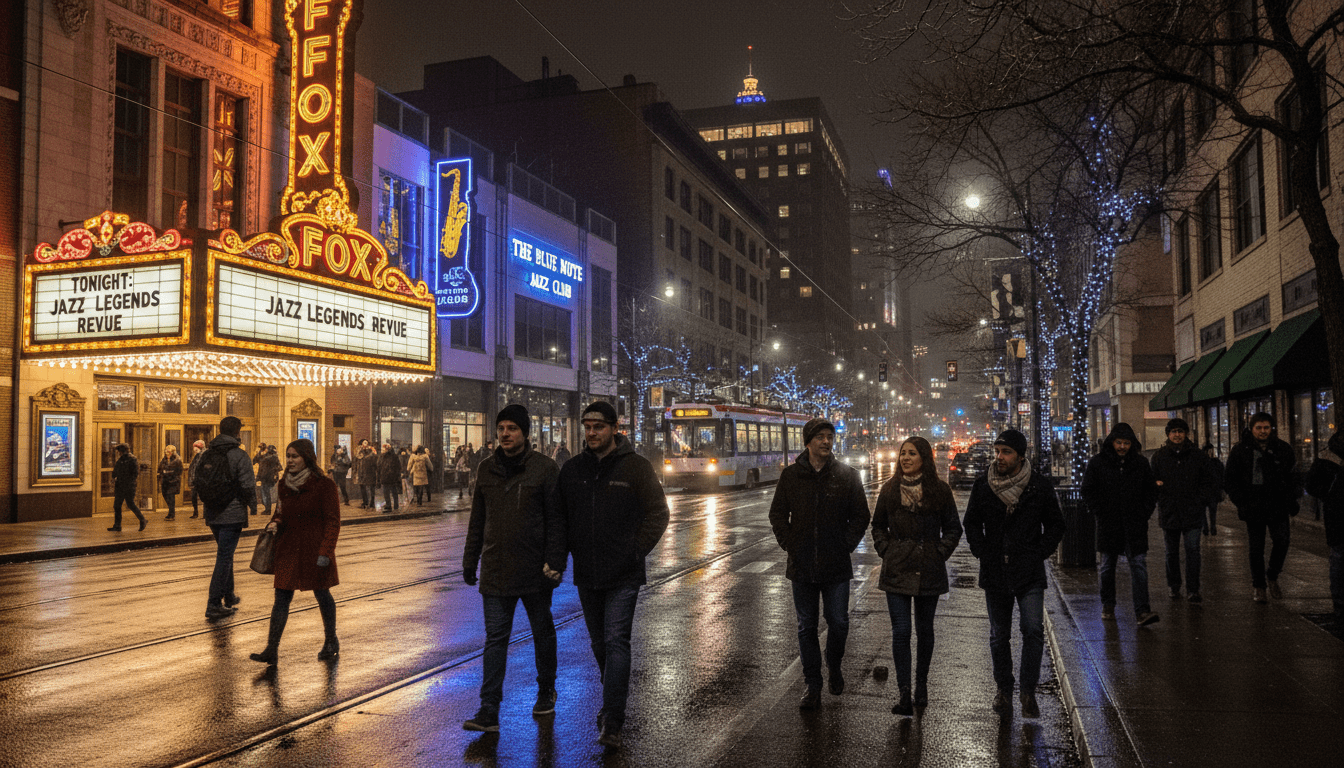
Local business owners report that the crowds are changing. The demand has pivoted from high-volume nightclubs to more curated, lounge-style environments and live jazz venues, reflecting a maturing market that seeks safety, ambiance, and cultural connection alongside entertainment.
The Evolution of the Entertainment District
For decades, areas like Greektown were the sole epicenters of late-night activity. However, the footprint of Detroit nightlife has expanded significantly. The District Detroit and the revitalized alleys of the Belt have created new pockets of activity that disperse crowds and reduce congestion.
In an interview with local media, several proprietors in the Corktown and Midtown districts noted that their late-night revenue has increased by over 15% year-over-year. This economic uptick is attributed to a combination of new residential developments bringing customers closer to the city center and a concerted effort to market Detroit as a culinary destination.
To understand the current state of the Detroit restaurant and business scene, one must look at the licensing data. The City of Detroit has seen a steady stream of applications for Class C liquor licenses, particularly for venues that combine dining with live entertainment, signaling a move toward a "dinner-and-a-show" model rather than strictly drinking establishments.
Safety Initiatives and Project Green Light
A critical component of the resurgence in Detroit nightlife is the perception and reality of public safety. The Detroit Police Department (DPD) has continued to emphasize the role of "Project Green Light," a public-private partnership that streams real-time video from participating businesses to police headquarters.
According to the City of Detroit’s official reports, businesses participating in the Green Light program have historically seen a reduction in violent crime. This data point is crucial for suburban visitors who may have previously hesitated to visit downtown after dark.
"The visibility of safety measures is just as important as the measures themselves," said a spokesperson for a downtown business association. "When people see well-lit corridors and active monitoring, the comfort level increases, which directly translates to longer stays and higher spending in our nightlife venues."
Furthermore, the increased presence of neighborhood police officers (NPOs) in high-traffic zones like Campus Martius and the Riverfront during weekend evenings has been cited by the Downtown Detroit Partnership as a key factor in maintaining an orderly and welcoming atmosphere.
Impact on Detroit Residents and Employment
The booming nightlife sector does more than entertain; it provides essential employment for thousands of Detroiters. From service staff and security personnel to musicians and sound engineers, the ecosystem supports a diverse range of jobs.
However, the expansion of nightlife districts brings challenges for local residents, particularly regarding noise and parking. Community meetings in neighborhoods bordering commercial zones, such as Brush Park, have frequently addressed the balance between economic vibrancy and residential quality of life.
Local advocacy groups have urged the city to enforce noise ordinances strictly while still supporting business growth. "We want the businesses to thrive because they bring jobs to our youth," a community organizer in the Cass Corridor stated during a recent town hall. "But we also need to ensure that the success of Detroit nightlife doesn’t come at the cost of the peace for those living right next door."
For more on how infrastructure supports these neighborhoods, read our coverage on Detroit transportation and infrastructure updates.
Economic Data and Future Outlook
Data from the U.S. Census Bureau and local labor statistics indicate that the hospitality sector in Wayne County is recovering jobs faster than many other service industries. This resilience is vital for the city’s tax base, as entertainment spending captures revenue from the wider Metro Detroit region.
Looking ahead, the development of the "24-hour city" concept is gaining traction among urban planners. This strategy involves improving late-night transportation options, such as the QLINE and DDOT bus services, to ensure that workers and patrons can move safely and efficiently at all hours.
As Detroit continues to host major national events, the spotlight on its evening economy will likely intensify. The coordination between city officials, law enforcement, and private business owners remains the linchpin for sustaining this growth. For those venturing out tonight, the city offers a landscape that is remarkably different—and statistically safer—than it was a decade ago.