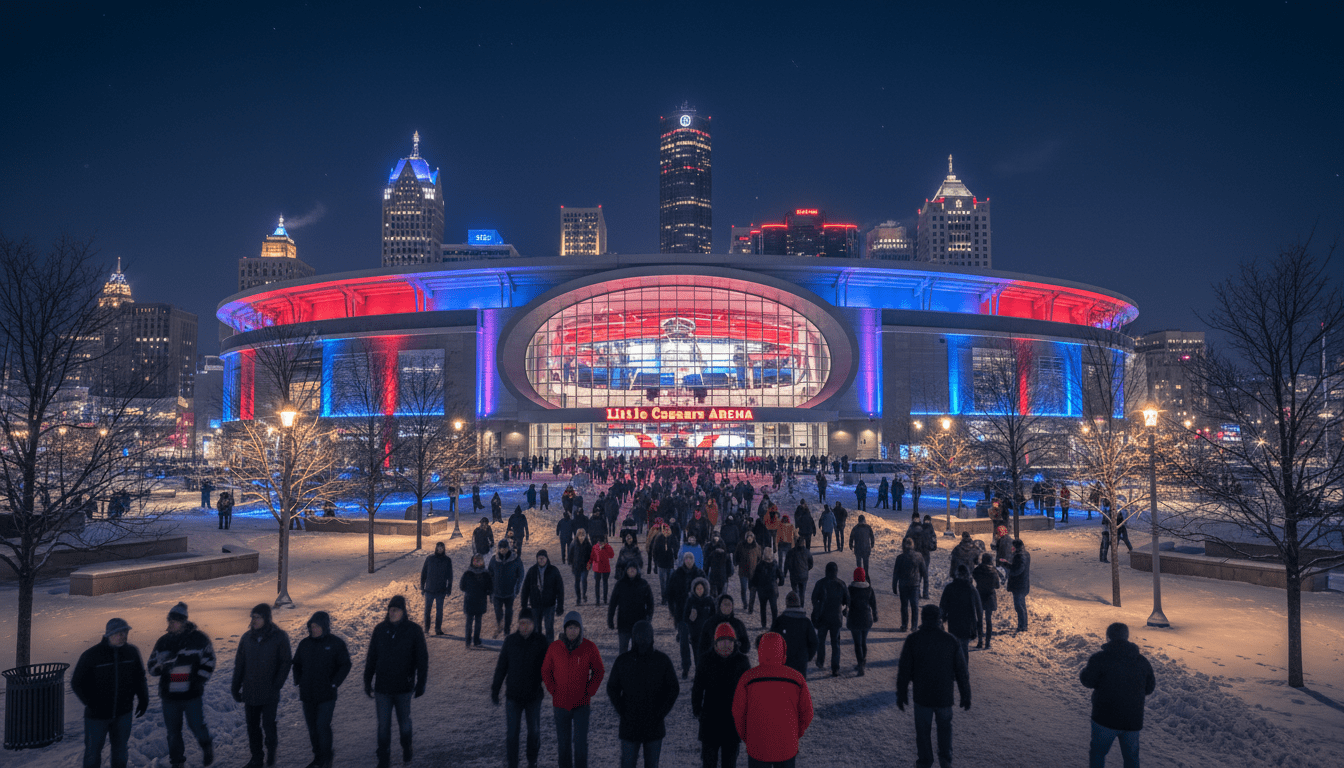
As the Detroit Pistons continue their long-term restoration project, the January 2026 portion of the 2025-26 NBA season is shaping up to be a defining period for both the franchise and the surrounding District Detroit economy. While the exact dates and opponents are finalized by the league office closer to the season start, the structure of the mid-season slate usually serves as the ultimate litmus test for a roster looking to transition from lottery participants to playoff contenders.
For Detroit residents and downtown business owners, the January schedule is more than just a list of basketball games; it represents a critical influx of foot traffic during the city’s coldest and typically slowest month for hospitality. Understanding the implications of the Detroit Pistons schedule January 2026 requires looking at the convergence of team maturity, arena logistics, and the economic ecosystem of downtown Detroit.
Structuring the Mid-Season Grind
The NBA has significantly altered its scheduling philosophy in recent years, a trend that heavily influences how the January 2026 slate will play out for Detroit. According to recent scheduling memos released by the NBA, the league has prioritized the reduction of estimated travel miles—a strategy that often results in “baseball-style” series where teams play the same opponent twice in the same market.
For the Pistons, this likely means January 2026 will feature concentrated home stands at Little Caesars Arena. These blocks of games are essential for a young team. By the winter of 2026, the core of Cade Cunningham, Jaden Ivey, Jalen Duren, and Ausar Thompson will be entering what analysts consider their prime competitive window. Historically, January is the month where Eastern Conference playoff seedings begin to solidify.
“The mid-season schedule is where you see the separation between developing teams and contending teams,” notes general NBA scheduling data trends. “For a team on Detroit’s timeline, January 2026 is the target date for when they should theoretically be pushing for a play-in or playoff spot, making these specific home games significantly higher stakes than in previous rebuilding years.”
Impact on Detroit Residents and ‘The District’
The release and execution of the Detroit restaurants and hospitality sector rely heavily on the activation of Little Caesars Arena during the post-holiday slump. Data from the Downtown Detroit Partnership has historically shown that event nights can drive foot traffic up significantly in the Woodward corridor compared to non-event nights.
Local business owners in the District Detroit area view the January schedule as a vital economic bridge. While December is bolstered by holiday parties and New Year’s festivities, January can be a challenging month for brick-and-mortar establishments without the draw of major events.
“When the Pistons have a heavy home schedule in January, it changes the entire P&L (profit and loss) for the month,” explains the management at several establishments near Columbia Street. “It’s not just the 20,000 people in the arena; it’s the pre-game dinners and the post-game drinks. If the team is competitive in 2026, that impact is multiplied because fans stay downtown longer.”
Furthermore, the Detroit transportation infrastructure, including the QLINE and People Mover, often sees usage spikes correlating with home stands, justifying operational costs during the winter months.
Key Dates and Traditions to Watch
While specific opponents are rotated, certain structural elements of the Detroit Pistons schedule for January 2026 can be projected based on long-standing league traditions and arena availability.
Martin Luther King Jr. Day
The NBA has a rich history of celebrating Martin Luther King Jr. Day with a marquee slate of games. Detroit, given its demographic and historical significance, often plays a role in these commemorations. A home game on or around the MLK holiday in January 2026 would serve as a major cultural and community touchpoint, often accompanied by civic awards and community service events organized by the Pistons and the NBA Cares foundation.
The Pre-Trade Deadline Tension
January represents the final full month before the NBA’s February trade deadline. For Detroit fans, the January 2026 schedule will be viewed through the lens of roster management. If the team is performing well against the scheduled opponents, the front office is more likely to buy talent rather than sell assets. This dynamic adds a layer of intrigue to every game played in January, directly impacting fan engagement and ticket sales metrics.
Background & Data: The Home Court Advantage
According to historical attendance data from ESPN and Basketball Reference, Pistons attendance fluctuates heavily based on team performance. However, “destination” opponents (such as the Lakers, Celtics, or Warriors) typically draw sell-out crowds regardless of the home team’s record. The scheduling of these high-profile matchups in January 2026 is crucial for the organization’s mid-season revenue.
Financial reports regarding Ilitch Sports + Entertainment have consistently highlighted the importance of diverse programming at Little Caesars Arena. A robust Pistons schedule in January balances the arena’s calendar, which is often shared with the Detroit Red Wings and concert tours. Efficient scheduling ensures that the arena remains an economic engine for the city nearly every night of the week.
What Happens Next?
As the 2025-26 season progresses, fans should monitor the official NBA schedule releases for adjustments or flex-scheduling, where televised games are moved to prime time slots based on team performance. If the Pistons’ young core achieves the breakout success many analysts predict, the Detroit Pistons schedule in January 2026 could feature significantly more national TV exposure than in previous decades.
For the City of Detroit, the success of the team during this winter stretch is inextricably linked to the vitality of the downtown entertainment district. A winning team in January doesn’t just boost morale; it boosts the bottom line for hundreds of local workers and business owners.