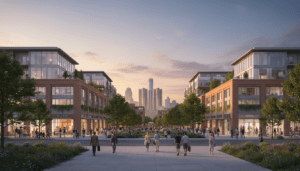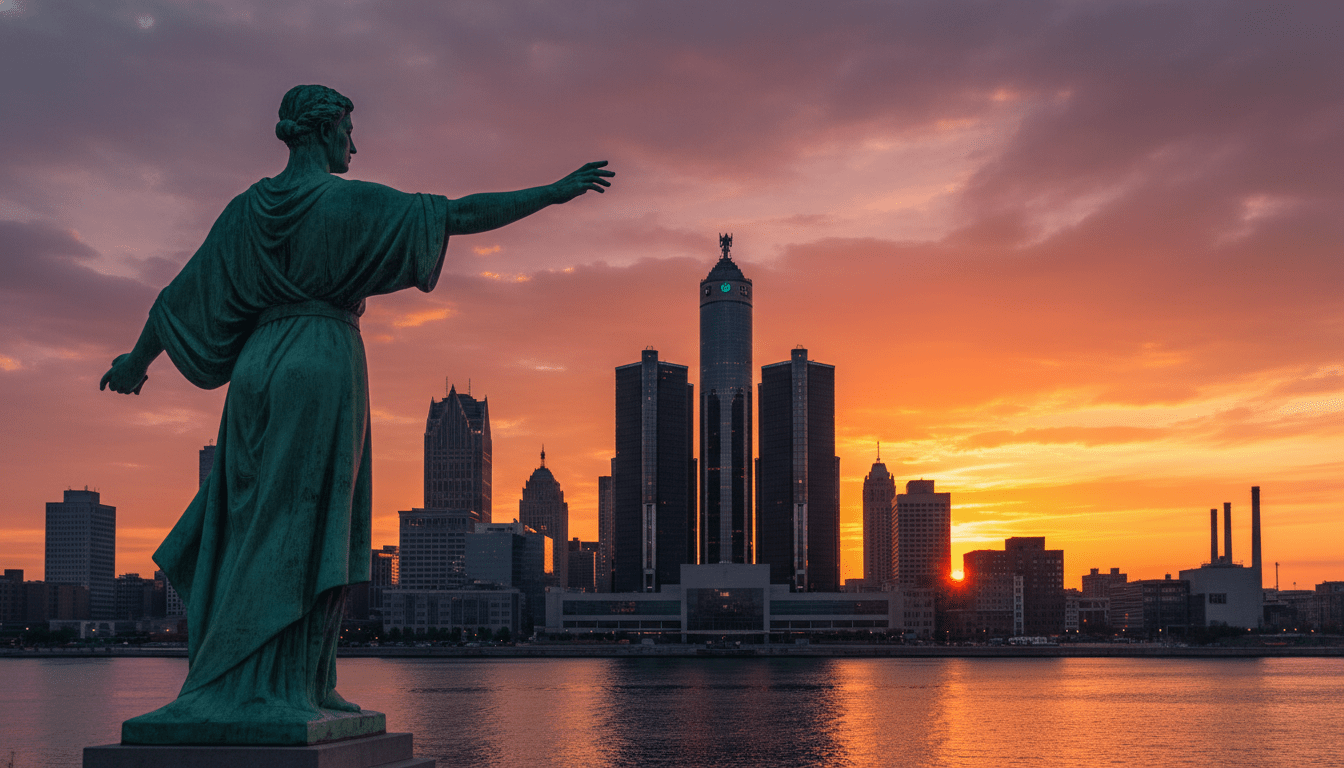
As the city of Detroit approaches the middle of the decade, the local political machinery is beginning to shift into high gear. While the formal 2025 municipal elections will determine the leadership for the ensuing four years, the Detroit political landscape 2026 will be defined by the first year of a new or returning administration grappling with a city at a demographic and economic crossroads. For the first time in over six decades, U.S. Census Bureau data indicates a population increase in Detroit, a milestone that has fundamentally altered the discourse from one of managing decline to one of managing growth and equity.
The Mayoral Question and Executive Leadership
The central pillar of the Detroit political landscape 2026 is the question of executive leadership. Mayor Mike Duggan, currently in his third term, has not yet officially announced his intentions for a fourth run, though his influence remains the dominant force in city hall. Under the Duggan administration, the city has seen significant neighborhood investment growth and a return to fiscal stability following the 2013 bankruptcy.
However, potential challengers are already beginning to mobilize. City Council President Mary Sheffield has established a leadership political action committee, signaling a potential run that would emphasize grassroots advocacy and social equity. According to the City of Detroit’s election schedule, the 2025 primary will narrow the field, but the 2026 landscape will be the true test of whether the city chooses a continuation of the current development-heavy path or a shift toward the “Peoples’ Bills of Rights” platform championed by some council members.
Housing Affordability and the Land Value Tax
One of the most contentious issues expected to dominate the Detroit political landscape 2026 is the implementation of the proposed Land Value Tax (LVT). Mayor Duggan has heavily advocated for this shift, which would lower taxes on structures while increasing them on vacant land. The goal is to discourage land speculation and provide property tax relief to homeowners.
Data from Detroit Future City, a non-profit policy research organization, suggests that while the city has seen a rise in median home values, the gap between market-rate housing and affordable options for long-term residents remains a critical concern. By 2026, the success or failure of current housing pilot programs will be a primary metric by which voters judge their representatives. Residents in neighborhoods like Jefferson-Chalmers and the North End have expressed concerns that while downtown thrives, neighborhood-level affordability is slipping away.
Public Safety and Surveillance Technology
The debate over public safety technology advancements will also remain a high-priority topic. Project Green Light, Detroit’s high-definition camera network, continues to expand, but it faces ongoing scrutiny from civil liberties groups. In the 2026 political climate, the city council will likely face pressure to enact stricter oversight on facial recognition software and automated license plate readers.
According to the Detroit Police Department’s annual reports, violent crime has seen fluctuations, but the perception of safety remains a major factor in resident retention. Political candidates in 2026 will be forced to balance the demand for technological solutions to crime with the community’s demand for privacy and restorative justice initiatives.
Impact on Detroit Residents
For the average Detroiter, the shifts in the Detroit political landscape 2026 are not just matters of policy—they are matters of daily survival and quality of life. The focus on “neighborhoods first” is expected to move beyond rhetoric into concrete demands for improved city services, such as reliable trash pickup, better-lit streets, and revamped park systems.
Local business owners on the city’s commercial corridors, such as Livernois and Grand River, have stated that while the influx of new capital is welcome, the rising costs of insurance and utilities are significant barriers. The political leadership in 2026 will be tasked with creating a sustainable support system for legacy businesses that survived the city’s leanest years.
Transportation and Regional Connectivity
Infrastructure will be another defining characteristic of the 2026 political agenda. The ongoing construction on I-375, which aims to convert the sunken freeway into a street-level boulevard, will be a major focal point. Proponents see it as a way to reconnect downtown with the historic Black Bottom and Paradise Valley areas, while critics fear further gentrification.
Furthermore, the push for a robust regional transit system continues to be a recurring political theme. According to reports from the City of Detroit Department of Transportation, the struggle to maintain consistent bus schedules due to driver shortages is a persistent issue. By 2026, the pressure for a multi-county transit agreement will likely reach a boiling point as the city seeks to connect its workforce to suburban job hubs.
Background & Data: The Demographic Shift
To understand the Detroit political landscape 2026, one must look at the shifting demographics. The U.S. Census Bureau’s 2023 estimates showed Detroit’s population grew to 633,218. This growth brings a new set of voters—many of whom are younger, more mobile, and have different expectations for city governance than the generations that preceded them.
Economic data from the University of Michigan’s Detroit Economic Outlook suggests that while employment is rising, the city must address the skills gap to ensure residents are prepared for the high-tech and green-energy jobs arriving at the Michigan Central Innovation District. Political candidates will be judged on their ability to bridge this gap between the “new economy” and the existing workforce.
What Happens Next
The road to 2026 begins with the 2024 and 2025 community meetings where residents voice their priorities. Observers should keep a close eye on the City Council’s budget deliberations in early 2025, as these will signal which issues—be it mental health response teams, climate resiliency, or home repair grants—will be the battlegrounds for the next election cycle.
As Detroit enters this new chapter, the political landscape will be defined by a singular question: How does a revitalized city ensure that its comeback includes everyone? The answer will be written in the policies and leadership that emerge as we head toward 2026.