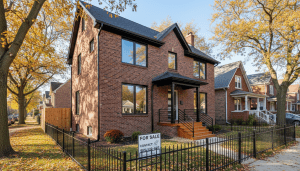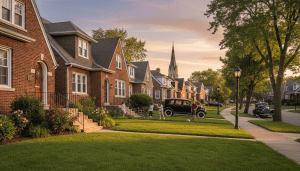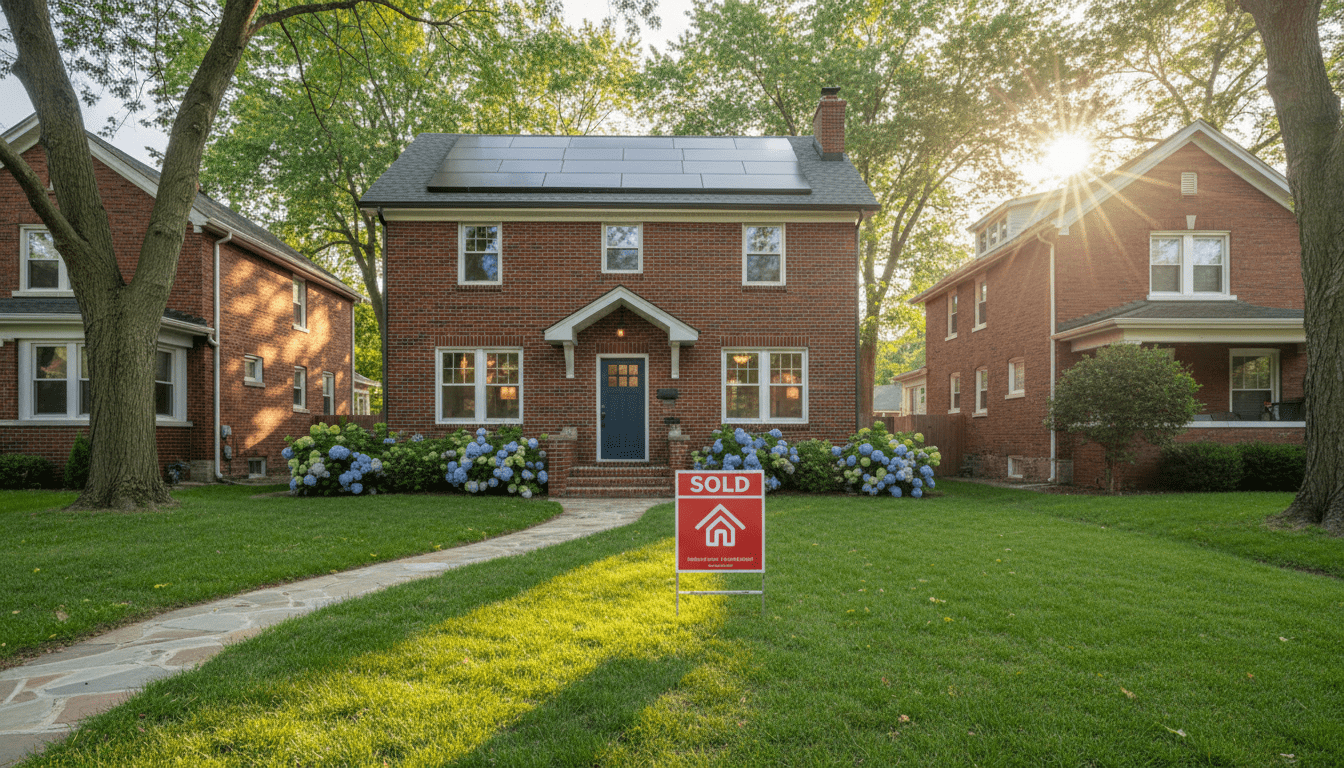
For the seventh consecutive year, Detroit homeowners are waking up to news that was once considered an anomaly in the Motor City: their homes are worth significantly more than they were 12 months ago. According to the latest data released by the City of Detroit Assessor’s Office, residential property values across the city have continued their upward trajectory, marking a definitive shift from the foreclosure crisis of a decade ago to a stabilizing and appreciating market.
The surge in Detroit property appreciation is not limited to the rapidly developing corridors of Midtown and Downtown. Instead, the growth has permeated nearly every neighborhood in the city, signaling a widespread economic recovery that is finally reaching long-term residents who held onto their properties through the city’s bankruptcy and subsequent restructuring.
“We are seeing a sustained recovery that is building real wealth for Detroit families,” said a representative from the City Assessor’s office during a recent briefing on tentative assessment rolls. “The days of homes selling for $500 are largely behind us. The market is correcting, and for the first time in a long time, the average Detroit homeowner has positive equity.”
Analyzing the Numbers: A Citywide Trend
The projected assessment data for the upcoming fiscal year indicates that residential property values in Detroit have increased by an average of 20% to 30% in specific high-demand zones, with a citywide average hovering near double digits. This stands in stark contrast to national trends where rising interest rates have cooled many housing markets.
According to data tracked by the City of Detroit Office of the Assessor, the vast majority of the city’s neighborhoods saw an increase in value. This growth is driven by a combination of factors:
- Inventory Shortages: With fewer move-in-ready homes available, competition among buyers has intensified, driving up sale prices.
- Blight Removal: The aggressive demolition of dangerous structures and the renovation of salvageable land bank homes have removed eyesores that previously dragged down the value of adjacent properties.
- Renovation Activity: An increase in permits filed for renovations suggests that investors and homeowners are pouring capital back into the housing stock.
University of Michigan economists have noted in recent forecasts that Detroit’s housing market resilience is partly due to its low entry point compared to other major metropolitan areas, making it attractive despite higher mortgage rates.
Impact on Detroit Residents: Wealth vs. Taxes
For longtime Detroiters, the rise in Detroit property appreciation is a double-edged sword. On one hand, it represents the creation of generational wealth. Homeowners who were previously “underwater”—owing more on their mortgages than the homes were worth—are now seeing substantial equity. This equity can be leveraged for home repairs, education financing, or retirement.
“I bought my house in Rosedale Park in 2012 when values were at rock bottom,” said Marcus Thorne, a 55-year-old automotive plant manager. “To see the assessment double in the last few years is validating. It feels like the investment in the community is finally paying off.”
However, rising values inevitably bring concerns about rising property taxes. This is a sensitive subject in a city that has historically struggled with over-assessment. To mitigate displacement fears, city officials have emphasized the distinction between Assessed Value (which tracks the market) and Taxable Value.
Under Michigan’s Proposal A, the Taxable Value of a home cannot increase by more than the rate of inflation (Consumer Price Index) or 5%, whichever is lower, as long as the property remains under the same ownership. This means that while a home’s market value might jump 20% due to Detroit property appreciation, the tax bill for a current resident will see a much smaller, capped increase.
For residents concerned about affordability, the city continues to promote the Homeowners Property Exemption (HOPE), which offers reduced or eliminated property taxes for low-income households. Ensuring residents are aware of these exemptions is critical to preventing the foreclosure cycles of the past.
The Role of Neighborhood Revitalization
The appreciation is also a direct result of targeted neighborhood investments. The Strategic Neighborhood Fund and other public-private partnerships have poured millions into streetscapes, parks, and commercial corridors outside of the central business district.
As detailed in our recent coverage of Detroit neighborhood revitalization projects, areas like the Livernois-McNichols corridor and Southwest Detroit are seeing commercial density return. When businesses open, nearby residential property values typically follow suit. Walking distance to a grocery store, a coffee shop, or a well-maintained park is becoming a tangible value-add for Detroit real estate.
Comparison with Suburbs
Real estate agents report a shift in buyer psychology. “Five years ago, I spent most of my time convincing clients to look inside the city limits,” said Sarah Jenkins, a local realtor with 15 years of experience in Wayne County. “Now, I have clients priced out of Ferndale and Royal Oak specifically looking in Detroit neighborhoods like Bagley and East English Village because the appreciation potential is higher.”
Future Outlook: Sustainability of the Trend
Can this rate of Detroit property appreciation continue? Most experts suggest a stabilization is on the horizon. As values rise, the “bargain” aspect of Detroit real estate diminishes, potentially slowing the rate of growth to more normal, sustainable levels.
However, the baseline has fundamentally changed. The floor of the market has been raised. The era of mass tax foreclosures depopulating neighborhoods appears to be receding, replaced by a market driven by supply and demand dynamics typical of functional cities.
For the coming year, all eyes will be on the appeals process in February and the final tax bills in the summer. For now, the narrative has firmly shifted: Detroit is no longer a distressed asset, but a growing investment.