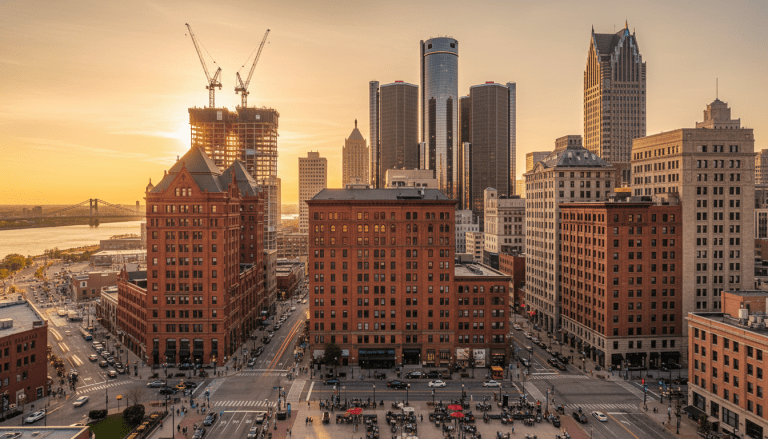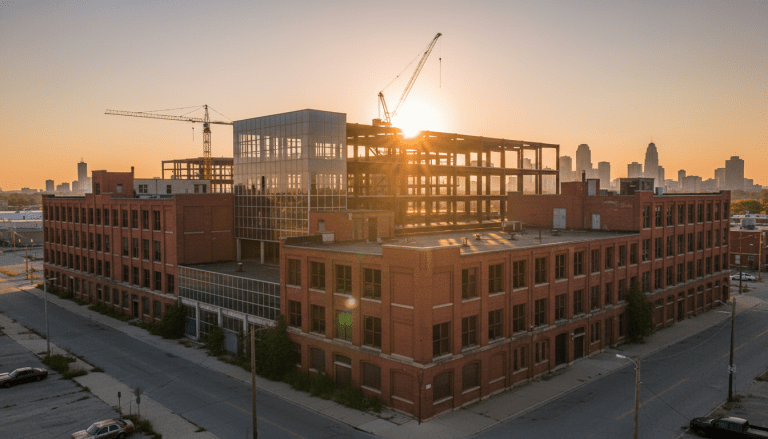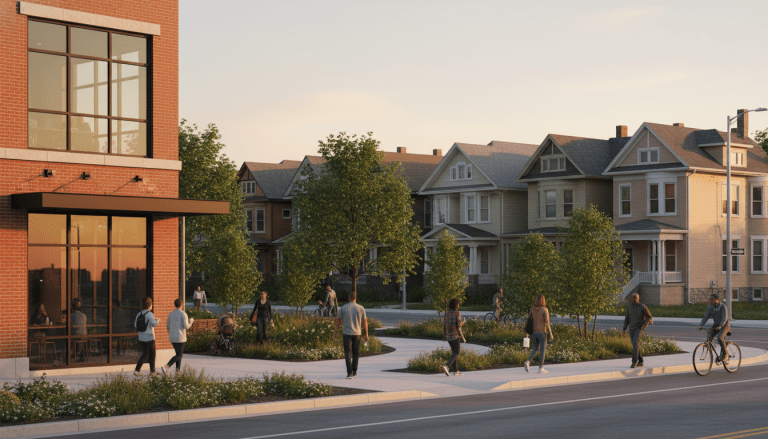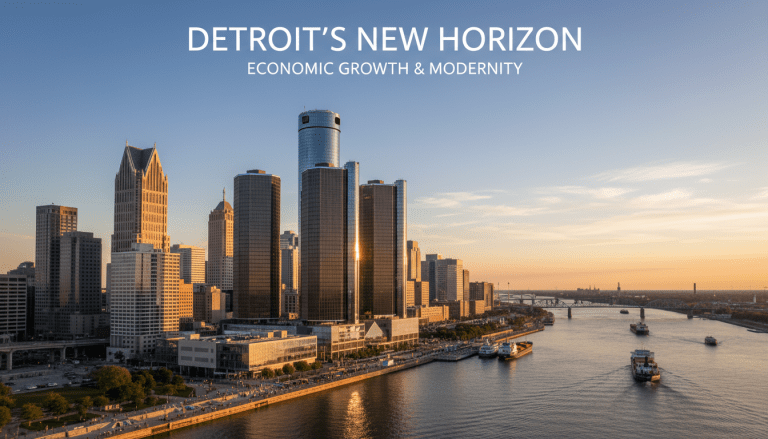

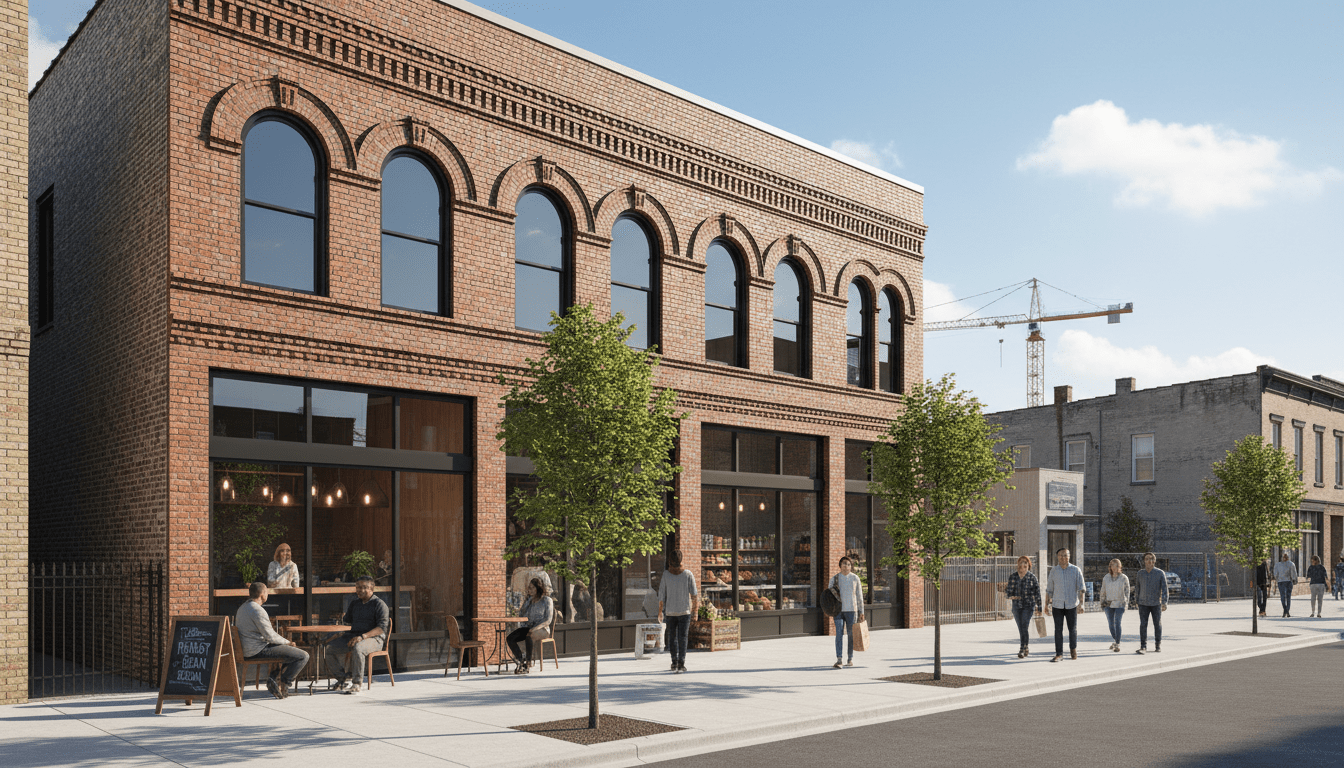
For the better part of a decade, headlines regarding Detroit real estate development have been dominated by skyline-altering projects in the downtown core. From the towering Hudson’s site to the renovation of Michigan Central Station, the focus has largely been on restoring the city’s central business district. However, as 2025 unfolds, a distinct shift is occurring in the landscape of local development. City planners, private developers, and housing advocates are increasingly turning their capital and attention toward Detroit’s historic neighborhoods, signaling a new era of decentralized growth.
This pivot is not accidental. It is the result of coordinated efforts between the City of Detroit and state agencies to address a critical shortage of quality, affordable housing while revitalizing commercial corridors that have languished for decades. As construction cranes become a more common sight in areas like Fitzgerald, North End, and Southwest Detroit, the narrative of the city’s comeback is evolving from a downtown comeback to a citywide stabilization effort.
The Shift in Detroit Real Estate Development
The current trajectory of Detroit real estate development is characterized by adaptive reuse and mixed-income housing. According to data from the City of Detroit’s Planning and Development Department, approvals for neighborhood-based multifamily projects have outpaced downtown high-rise proposals over the last twelve months. This trend aligns with the goals of the Strategic Neighborhood Fund (SNF), a public-private partnership aimed at improving the quality of life in specific residential areas.
One of the driving forces behind this shift is the changing demand of the workforce. While downtown offices grapple with hybrid work models, the demand for walkable, amenity-rich residential neighborhoods has surged. Developers are responding by renovating vacant apartment buildings and converting defunct industrial spaces into lofts.
“The market is telling us that residents want to live in neighborhoods where they can walk to a grocery store or a coffee shop,” said a representative from a local development firm during a recent planning commission meeting. “The downtown core is vital, but the soul of the city lies in its neighborhoods.”
For more on the city’s economic strategies, read our coverage on Detroit’s 2025 economic outlook.
Affordable Housing: A Critical Component
A central pillar of this new development wave is affordability. The Michigan State Housing Development Authority (MSHDA) has ramped up the allocation of Low-Income Housing Tax Credits (LIHTC) to projects situated outside the city center. This financial mechanism is crucial for making the math work on projects in areas where market-rate rents might not yet support new construction costs.
Recent groundbreakings in the North End and along the Livernois corridor highlight this commitment. These projects often reserve a significant portion of units for residents earning between 50% and 80% of the Area Median Income (AMI). By integrating affordable units with market-rate apartments, developers aim to create economically diverse communities rather than segregated pockets of wealth or poverty.
According to the City of Detroit Housing and Revitalization Department, preserving existing affordability covenants while building new inventory remains a top priority to prevent displacement as property values rise.
Impact on Detroit Residents
For long-time Detroiters, the influx of development brings a mix of optimism and caution. On one hand, the reactivation of blighted corners and the removal of dangerous structures improve public safety and property values. New retail spaces on ground floors bring much-needed services—pharmacies, fresh food markets, and community centers—closer to residents who previously lived in service deserts.
However, the fear of gentrification remains palpable. As Detroit real estate development accelerates in neighborhoods like Corktown and West Village, property tax assessments have climbed. While the city has implemented tax abatements and assistance programs for legacy homeowners, the pressure is felt by renters who do not have the protection of fixed mortgage payments.
Community benefits agreements (CBAs) have become a standard tool for residents to ensure they share in the prosperity. Local community councils are increasingly active in the zoning approval process, demanding that developers include green spaces, hire local contractors, and cap rental increases for a period of time.
Learn more about how local communities are organizing in our report on Detroit’s neighborhood associations.
Background & Data
The numbers illustrate the scale of this transition. Data from the U.S. Census Bureau and local real estate tracking firms indicate that while the population in the greater downtown area has stabilized, certain outlying neighborhoods are seeing their first population increases in decades.
- Investment Volume: Neighborhood-specific commercial investment exceeded $500 million in 2024, a 15% increase year-over-year.
- Renovation vs. New Build: Approximately 60% of current residential projects involve the rehabilitation of existing structures, preserving the city’s unique architectural heritage.
- Vacancy Rates: Residential vacancy rates in target investment zones have dropped to their lowest levels since 2010, driving the urgency for new inventory.
Furthermore, the state of Michigan has introduced new brownfield redevelopment incentives, making it easier for developers to remediate contaminated land—a common hurdle in Detroit’s industrial zones—for residential use.
What Happens Next
Looking ahead to the remainder of 2025, the pace of Detroit real estate development shows no signs of slowing, though it faces headwinds from interest rates and construction material costs. The focus will likely narrow further onto transit-oriented development.
With the expansion of regional transit options and improvements to the DDOT bus system, developers are scouting locations along major arteries like Woodward, Gratiot, and Grand River Avenues. The vision is a more connected Detroit, where density is built around transportation hubs, reducing the reliance on cars and fostering a more sustainable urban footprint.
Ultimately, the success of this development cycle will be measured not by the height of the buildings, but by the stability of the neighborhoods they anchor. As projects move from blueprints to ribbon cuttings, the true test will be whether they serve the needs of the Detroiters who have stayed through the city’s most difficult chapters.