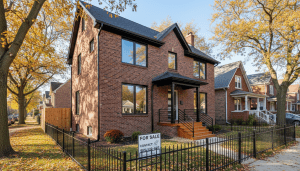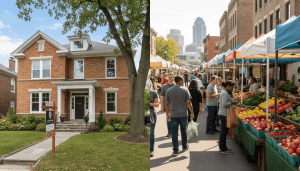
The narrative surrounding the Detroit real estate market has undergone a dramatic transformation over the last decade. Once headlined by stories of foreclosure auctions and speculative buying, the Motor City is now seeing a period of sustained stabilization and equity growth that is reshaping how locals sell and how outsiders invest. As we move further into 2024, data suggests that Detroit is transitioning from a distressed market into one defined by traditional appreciation and long-term hold strategies.
For longtime residents, this shift represents a crucial opportunity to build generational wealth. For investors, it signals the end of the "wild west" era of flipping and the beginning of a more regulated, community-focused investment landscape. According to recent figures released by the Detroit Association of Realtors, median home sales prices in the city have continued an upward trajectory, defying national trends of stagnation seen in other metropolitan areas.
A Shift in Market Dynamics
The days of purchasing a livable home in Detroit for the price of a used car are largely over. While the Detroit Land Bank Authority still offers inventory requiring significant rehabilitation, the private market is seeing competitive pricing, particularly in stabilized neighborhoods like Bagley, University District, and East English Village.
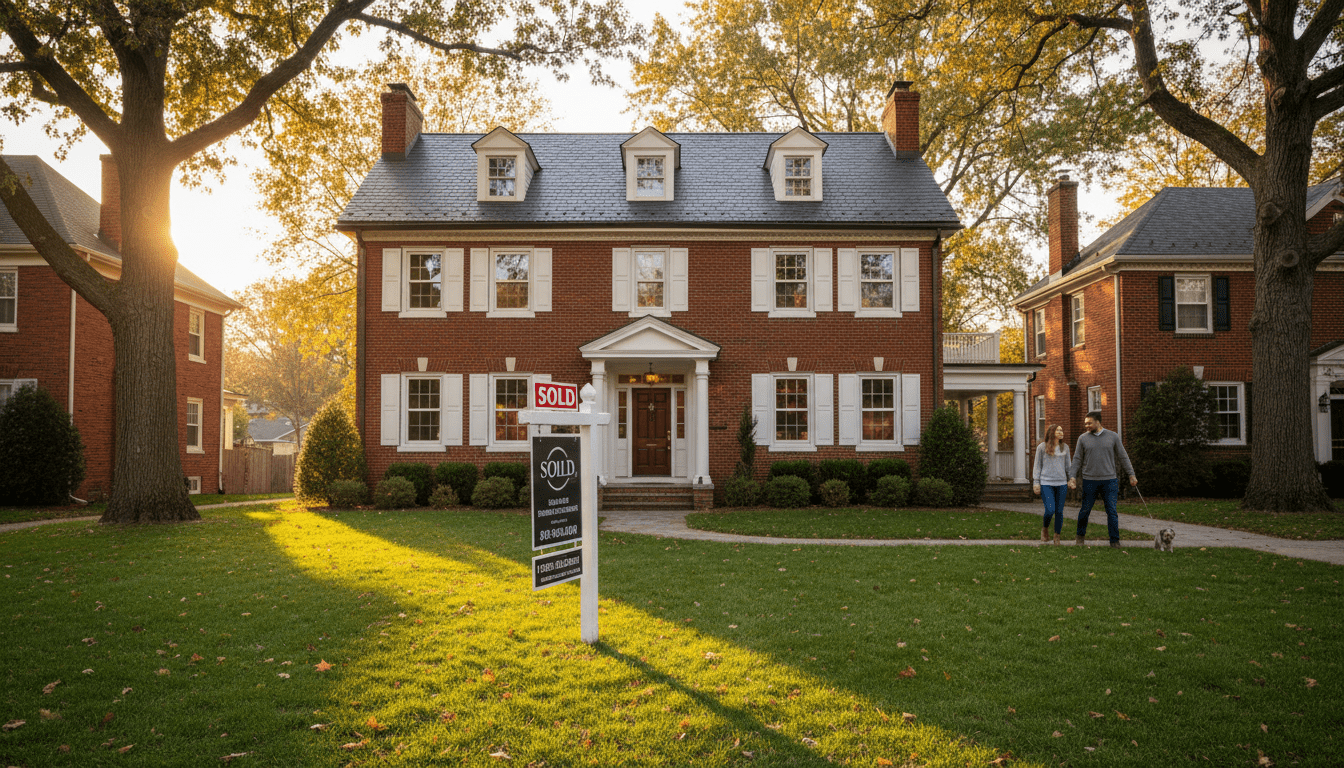
According to data from the City of Detroit, property values have risen for six consecutive years. This increase is not merely a statistic; it translates into tangible equity for homeowners who stayed in the city during leaner years. Local real estate analysts point out that this equity is fueling a new wave of selling activity. Homeowners who were previously underwater on their mortgages are now finding themselves in a position to sell at a profit, allowing them to upgrade their living situations or reinvest within the city.
“The conversation has changed from ‘how do we stop the bleeding’ to ‘how do we manage growth responsibly,'” said a representative from a local housing advocacy group during a recent town hall. “Sellers are realizing their homes are assets again, not liabilities.”
Investment Strategies Mature
For those looking at investing in Detroit, the playbook has been rewritten. The speculative cash-grab approach—buying low, doing minimum repairs, and flipping—is becoming less viable due to higher interest rates and stricter code enforcement by the city.
Instead, the market is favoring investors committed to high-quality renovations and long-term rentals. The City of Detroit’s Housing and Revitalization Department has implemented more rigorous rental compliance checks to ensure that landlords are providing safe, compliant housing. This regulatory environment discourages slumlords while rewarding investors who contribute to neighborhood stability.
“Investors coming into Detroit today need to understand the community context,” explains a local broker specializing in investment properties. “You cannot just look at a spreadsheet. You have to look at the block, the neighbors, and the long-term plan for that district. The successful investors are the ones partnering with local contractors and understanding the city’s vision.”
Furthermore, rising interest rates have cooled the frenzy slightly, allowing for a more balanced market. This cooling effect has reduced the number of all-cash bidding wars, giving financing-contingent buyers—often local residents utilizing down-payment assistance programs—a fairer shot at purchasing homes.
Impact on Detroit Residents
The stabilization of the Detroit real estate market has a direct, multifaceted impact on local residents. On one hand, rising property values mean that homeowners are seeing their net worth increase. This creates a buffer against economic downturns and provides collateral for loans to start businesses or fund education. For more on how local entrepreneurs are utilizing this capital, read our coverage on Detroit’s evolving local economy.
However, this growth brings challenges. As property assessments rise, so do property taxes, historically a pain point in Detroit. The administration has been exploring options like the Land Value Tax plan to reduce the burden on homeowners while taxing vacant land speculators at a higher rate. Residents renting in improving neighborhoods also face the risk of displacement as landlords raise rents to match market rates.
To mitigate these risks, local organizations are ramping up efforts to convert renters into homeowners. Programs offering down payment assistance and financial literacy courses are critical in ensuring that the wealth generated by the housing boom stays within the community.
Data and Future Outlook
Looking ahead, the inventory of available homes is expected to remain tight, sustaining price levels. According to national housing data aggregated by Zillow and Redfin, Detroit remains one of the most affordable major cities in the United States despite recent gains, keeping it attractive to out-of-state investors.
However, the focus is narrowing. Broad investment across the entire city is being replaced by targeted investment in specific corridors designated for revitalization. The Strategic Neighborhood Fund, for example, has directed millions into specific areas to create density and walkability, making homes in those zones more attractive to both buyers and investors.
For sellers, the advice is clear: pricing correctly is key. While the market is up, buyers are more discerning than they were during the post-pandemic boom. Inspections are standard, and appraisal gaps are less common.
What Happens Next?
As Detroit continues its trajectory of revitalization, the relationship between selling and investing will likely become more symbiotic. The city needs investors to rehabilitate the aging housing stock, and investors need a stable population of homeowners to maintain property values.
The coming year will be a test of the market’s resilience against broader economic headwinds. If interest rates stabilize, Detroit could see an increase in mortgage applications from first-time buyers, further solidifying the owner-occupancy rates that are vital for strong neighborhoods.
For continued updates on development projects affecting property values, follow our ongoing series on major neighborhood development projects across the city. The Detroit real estate market is no longer a gamble; it is a complex, maturing ecosystem requiring careful navigation for both sellers and investors.