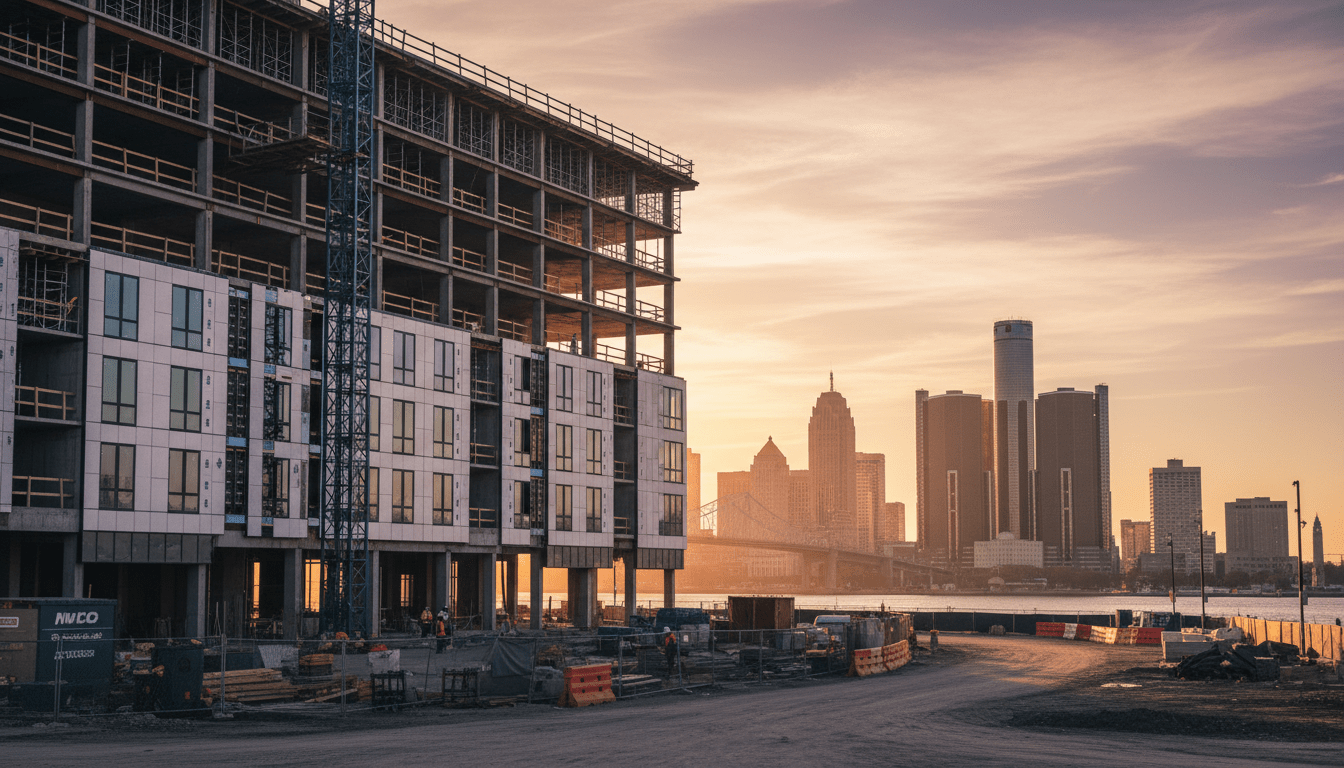
As construction cranes continue to define the skyline from Downtown to Corktown, the Detroit rental market is undergoing a significant transformation. While the influx of new luxury units signals economic vitality, it brings a complex set of challenges for long-time residents and newcomers alike. As we move through 2024, data indicates a bifurcated market where high-end demand remains robust, while the need for quality affordable housing continues to outpace supply.
For decades, Detroit was primarily known as a homeownership city, but recent demographic shifts and economic changes have increased the reliance on rental housing. According to recent data from the U.S. Census Bureau, the balance between owners and renters in the city has fluctuated, with a significant portion of the population now renting their homes. This shift places a spotlight on how development and policy intersect to shape the living conditions of thousands of Detroiters.
Trends in the Detroit Rental Market
The current landscape is defined by two distinct trends: the stabilization of rents in outlying neighborhoods and the continued appreciation of costs in the 7.2-square-mile greater downtown area. Reports from national listing services suggest that while Detroit remains one of the more affordable major cities in the United States, the year-over-year percentage increase in rent for one-bedroom apartments in prime locations has outpaced national averages in several quarters.
Local real estate analysts point to a supply-and-demand imbalance in specific corridors. In areas like Midtown and New Center, vacancy rates for updated units remain low, driving prices upward. Conversely, in neighborhoods further from the city center, the challenge is often not the price, but the condition of the housing stock. Landlords facing higher maintenance costs and property taxes are increasingly passing these costs onto tenants, leading to a slow but steady rise in rents citywide.
For a deeper dive into recent commercial projects fueling this growth, read our coverage on major Detroit development projects changing the city’s landscape.
The Push for Affordable Housing
Recognizing the pressure the Detroit rental market places on low-to-moderate-income residents, the City of Detroit has aggressively pursued affordable housing initiatives. The Housing and Revitalization Department has emphasized that preserving existing affordability is just as crucial as building new units.
According to the City of Detroit, the administration has set ambitious goals to preserve and create affordable units through the Affordable Housing Leverage Fund. This public-private partnership aims to bridge the financial gap for developers, requiring them to set aside a specific percentage of units for residents earning below the Area Median Income (AMI).
Furthermore, the implementation of the “Right to Counsel” ordinance has been a pivotal moment for tenant rights. This measure provides legal representation to qualifying tenants facing eviction, a move designed to keep residents in their homes and prevent homelessness. Early data suggests that represented tenants are significantly more likely to reach a settlement that avoids eviction compared to those navigating the court system alone.
Impact on Detroit Residents
The shifting dynamics of the rental market have a direct, daily impact on local families. For many, the revitalization of Detroit is a double-edged sword. Improved amenities, better lighting, and new retail options in neighborhoods like the Villages or Southwest Detroit make these areas more desirable, but they also spark fears of displacement.
Local business owners and community advocates have expressed concerns that as property values rise, long-term tenants—many of whom stuck with the city through its hardest financial times—could be priced out. “The rent consumes so much of a paycheck now that there is little left for local spending,” serves as a common sentiment heard at community meetings regarding neighborhood planning.
However, there is also optimism. The crackdown on slumlords and the stricter enforcement of rental codes are intended to improve the quality of life for renters. By forcing landlords to bring properties up to code, the city aims to ensure that the money Detroiters spend on rent affords them safe and compliant housing.
For more on neighborhood-specific changes, see our report on neighborhood revitalization efforts across the city.
Future Outlook and Data
Looking ahead, the pipeline of rental units coming online in late 2024 and 2025 is substantial. Several high-profile adaptive reuse projects—transforming old industrial buildings into residential lofts—are nearing completion. This increase in supply is expected by some economists to eventually moderate rent hikes, specifically in the luxury and mid-tier segments.
However, for the affordable sector, the reliance on Low-Income Housing Tax Credits (LIHTC) and federal funding remains critical. Data from the Detroit Housing & Revitalization Department highlights that thousands of affordable units are either under construction or in the pipeline, yet the waiting lists for these properties remain long.
As the city prepares for future economic shifts, the stability of the Detroit rental market will likely depend on a balanced approach: encouraging development to grow the tax base while enforcing protections that ensure Detroiters of all income levels have a place to call home.