As 2026 begins, Detroit’s dining scene has transitioned from a period of rapid recovery to one of sustained international acclaim. The city’s culinary landscape, once defined primarily by its iconic Coney Islands and jazz-era institutions, has morphed into a sophisticated ecosystem that balances high-end innovation with neighborhood-focused hospitality. According to recent data from the Michigan Restaurant & Lodging Association (MRLA), the food and beverage sector in Southeast Michigan has seen a 12% increase in new license applications over the past 24 months, signaling a robust era for best restaurants Detroit enthusiasts and investors alike.
The Expansion of Neighborhood Dining Hubs
In 2026, the geographic center of Detroit’s food scene has shifted. While the central business district remains a powerhouse for corporate dining and upscale steakhouses, the true innovation is occurring in historic neighborhoods. Areas like the Avenue of Fashion, West Village, and the expanded Michigan Central district in Corktown have become the primary destinations for those seeking the best restaurants Detroit has to offer. This shift is largely attributed to the Detroit Economic Growth Corporation (DEGC), which has provided localized grants to help chefs secure brick-and-mortar locations in underserved corridors.
Reports from the Detroit Economic Growth Corporation indicate that small business retention in the culinary sector is at a ten-year high. This stability has allowed local chefs to experiment with Detroit cuisine, moving beyond traditional expectations. We are seeing a fusion of the city’s Middle Eastern influences, Southern soul food heritage, and modern agricultural techniques sourced from urban farms within city limits. This unique blend has solidified the city’s reputation as a premier Detroit food guide destination for international tourists.
Impact on Detroit Residents
The growth of the restaurant industry is more than a matter of prestige; it is a significant economic engine for local residents. The expansion of places to eat Detroit has created thousands of jobs, ranging from entry-level service positions to high-level management and culinary roles. However, this growth brings challenges, specifically regarding affordability and displacement. As certain neighborhoods become culinary “hotspots,” property values have risen, prompting the City of Detroit to implement new initiatives aimed at preserving legacy businesses.
For residents, the surge in top dining Detroit options means improved access to diverse food choices and enhanced neighborhood safety through increased foot traffic. “The goal is to ensure that the revitalization of our food scene benefits the people who have been here for decades,” a representative from a local neighborhood association stated during a recent planning commission meeting. Programs like ‘Motor City Match’ continue to prioritize Detroit-based entrepreneurs, ensuring that the faces behind the city’s best restaurants Detroit reflect the community’s demographics.
Background and Economic Data
To understand the current state of Detroit cuisine, one must look at the investment trends of the last five years. According to the U.S. Bureau of Labor Statistics, the hospitality sector in the Detroit-Warren-Dearborn metropolitan area has outpaced the national average in wage growth. This is partly due to a competitive labor market where restaurant groups are offering better benefits to retain talent. Furthermore, DetroitCityNews.com reported previously on the influx of venture capital into the city’s food-tech startups, which are now helping local eateries manage supply chains more efficiently.
The Role of Tourism in Food Growth
Tourism remains a critical factor. Visit Detroit, the city’s convention and visitors bureau, reports that food-related travel is now the second most cited reason for visits to the city, trailing only behind major sporting events. This influx of outside capital allows places to eat Detroit to maintain higher quality standards and invest in sustainable sourcing. The 2026 Detroit food guide market has expanded to include specialized food tours that focus on the history of labor and civil rights, told through the lens of local kitchens and communal dining spaces.
The Sustainability of the Detroit Food Scene
A notable trend in 2026 is the emphasis on sustainability. Many of the best restaurants Detroit features today are operating with a near-zero-waste philosophy. This is supported by partnerships with organizations like the Detroit Future City, which encourages the use of vacant land for commercial-scale urban gardening. By reducing the distance food travels from farm to table, Detroit restaurateurs are insulating themselves against global supply chain fluctuations while providing fresher products to their patrons.
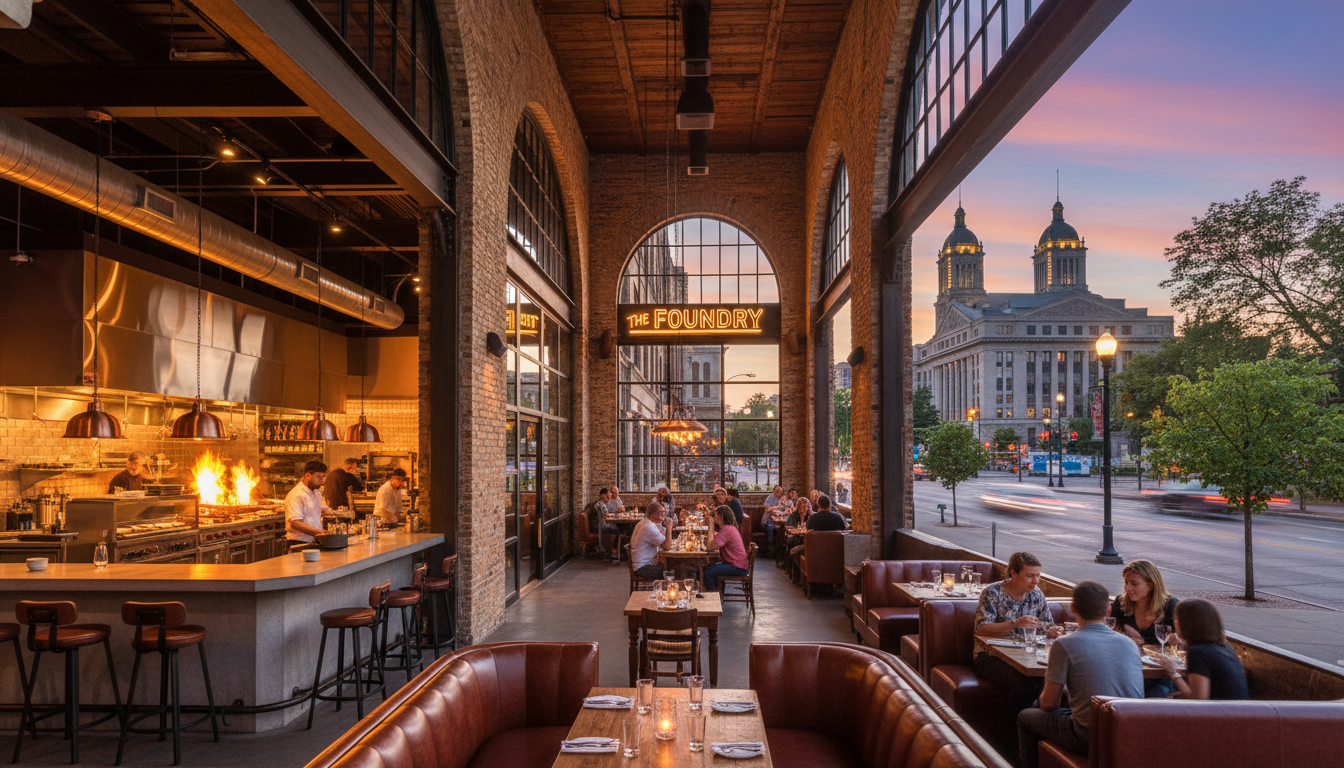
This environmental consciousness is also reflected in the architecture of new top dining Detroit establishments. Reclaimed materials from the city’s industrial past are being repurposed into modern dining rooms, creating an aesthetic that is uniquely Detroit. This architectural identity has become a hallmark of the city’s Detroit cuisine, attracting design-focused travelers from around the globe.
What Happens Next
Looking toward 2027, the trajectory of Detroit’s restaurant industry remains upward. However, experts suggest that the next phase of growth will focus on consolidation and the deepening of culinary education. With the opening of new culinary institutes in the city, the next generation of Detroit chefs is currently in training, promising a future where the city doesn’t just host the best restaurants Detroit but also exports its culinary talent to the world.
As ongoing developments in Corktown continue to attract major employers, the demand for high-quality, diverse dining options will only increase. For locals and tourists alike, the message is clear: Detroit’s table is getting larger, and there is a seat for everyone. The continued collaboration between the city government, private investors, and neighborhood advocates will be essential in ensuring that this golden age of Detroit cuisine remains sustainable and inclusive for all who call the Motor City home.