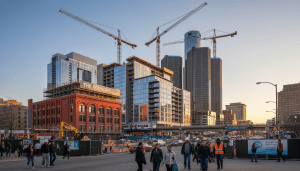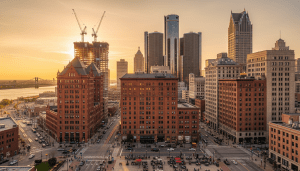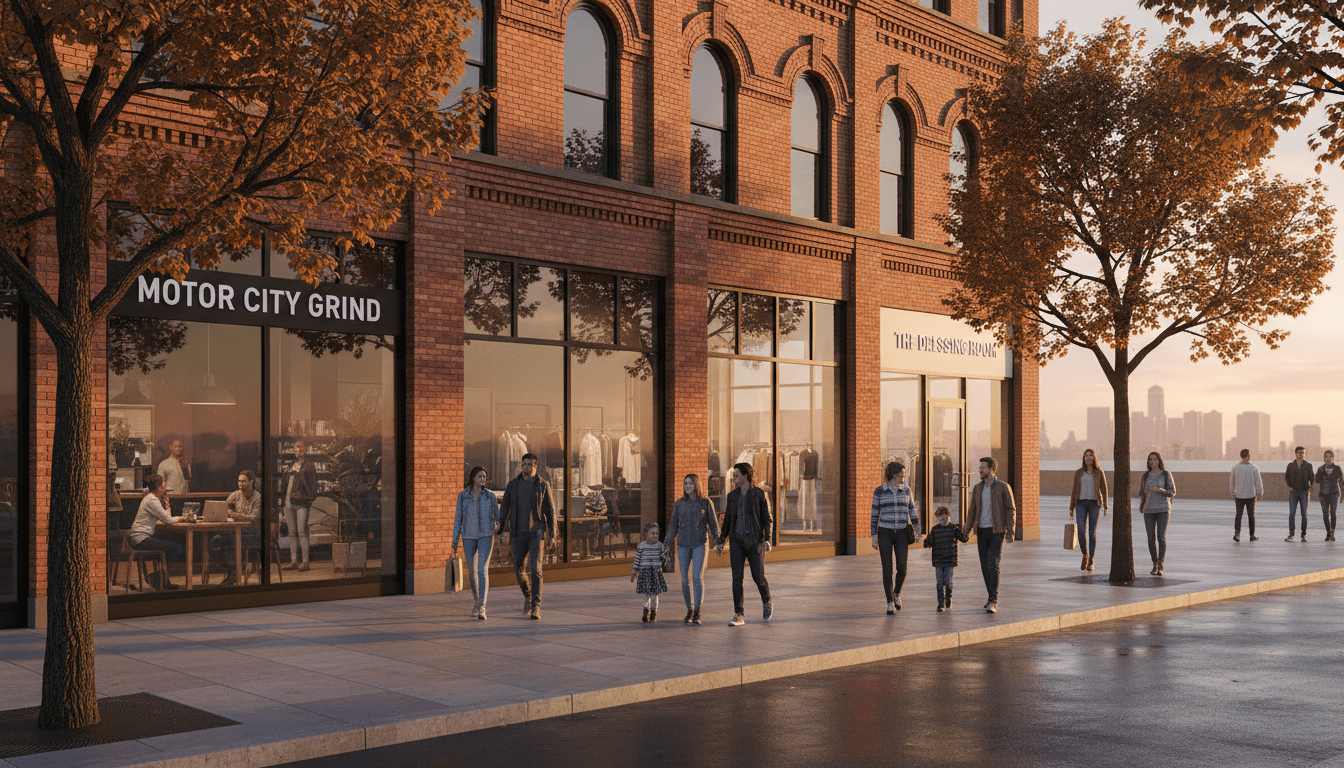
The landscape of Detroit retail development is undergoing a significant transformation, moving beyond the heavily publicized resurgence of the downtown core to root itself firmly in the city’s historic neighborhoods. As 2025 progresses, city planners, developers, and local entrepreneurs are shifting their focus toward creating sustainable, walkable commercial corridors that serve long-time residents while attracting new visitors.
For years, the narrative of Detroit’s comeback focused largely on Woodward Avenue, anchored by Bedrock’s massive investments and the arrival of national luxury brands. However, recent data and construction trends indicate a strategic pivot. The new wave of development is characterized by mixed-use projects in areas like Corktown, the Avenue of Fashion, and Southwest Detroit, aiming to close the gap on goods and services availability for locals.
Beyond Downtown: The Push for Commercial Corridors
According to the Detroit Economic Growth Corporation (DEGC), the strategy has evolved from attracting flagship stores to fostering an ecosystem of small businesses mixed with anchor tenants. This approach is evident in the ongoing revitalization of the Livernois “Avenue of Fashion” and the McNichols corridor.
“The goal is no longer just to bring people downtown for a day trip, but to ensure that a resident in any neighborhood can access high-quality retail within a twenty-minute walk or short drive,” said a spokesperson for a local urban planning non-profit during a recent community forum. “Detroit retail development is becoming more granular and community-focused.”
One of the primary drivers of this shift is the Strategic Neighborhood Fund, a partnership between the City of Detroit and Invest Detroit. This initiative has been instrumental in funding streetscape improvements and gap financing for mixed-use developments, which combine ground-floor retail with residential units above.
Major Projects Anchoring the Change
Several key developments highlight the current trajectory of the market. In Corktown, the ripple effect of Ford’s Michigan Central Station restoration is palpable. New retail spaces are coming online to serve the influx of tech workers and residents. Unlike the luxury-focused retail of the central business district, these new spaces are largely targeted at practical amenities—grocery options, casual dining, and service-based businesses.
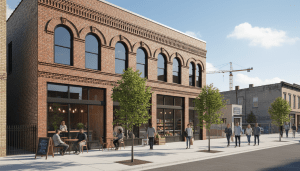
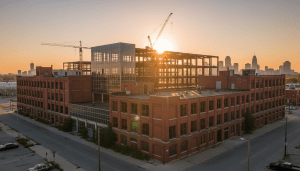
Furthermore, the development of the Eastern Market district continues to expand. Traditionally a wholesale food hub, the area is seeing an increase in permanent retail storefronts. Local developers are retrofitting historic warehouses into multi-tenant marketplaces, preserving the industrial aesthetic while providing modern retail square footage.
For more on how local businesses are adapting to these changes, read our coverage on Detroit business trends and startups.
Impact on Detroit Residents
For the average Detroit resident, the surge in neighborhood-focused retail development offers both promise and caution. On one hand, the increase in local amenities reduces the need to travel to the suburbs for basic shopping needs, keeping tax dollars within the city limits. It also creates local jobs; retail and hospitality sectors are among the largest employers for entry-level workers in the region.
However, concerns regarding gentrification remain central to the conversation. As commercial corridors improve, property values often rise, leading to anxiety about long-term affordability for legacy residents and business owners. To combat this, the city has implemented requirements for affordable housing in many tax-abated mixed-use projects.
“We are finally seeing grocery stores and coffee shops in neighborhoods that were food deserts five years ago,” said a resident of the Jefferson Chalmers neighborhood. “The convenience is life-changing, but we want to make sure the prices remain accessible for the people who stuck with Detroit through the hard times.”
Market Data and Leasing Trends
Recent reports from commercial real estate firms operating in Southeast Michigan suggest that while vacancy rates in Class A downtown retail spaces have stabilized, neighborhood retail strips are seeing a decline in vacancy. This suggests a healthy appetite for smaller, more affordable footprint spaces suitable for boutiques and pop-ups.
The demand for “white box” ready spaces—units that are construction-ready for tenants—is particularly high. Landlords are increasingly willing to offer tenant improvement allowances to attract unique local concepts rather than holding out for national chains, a trend that distinguishes Detroit retail development from other major metropolitan areas.
What Happens Next?
Looking ahead, the integration of technology and physical retail will play a larger role. Developers are increasingly wiring buildings for high-speed connectivity to support modern point-of-sale systems and delivery logistics, acknowledging that brick-and-mortar stores now function as fulfillment centers for online orders.
The success of these developments will likely depend on the continued collaboration between private capital and public policy. As infrastructure improvements, such as the ongoing city transportation updates, continue to roll out, the connectivity between these emerging retail nodes and residential zones will be critical.
Ultimately, the current era of development is about filling the “missing middle” of retail—creating vibrant, self-sustaining neighborhoods that offer a quality of life comparable to the suburbs, with the unique character that only Detroit can provide.