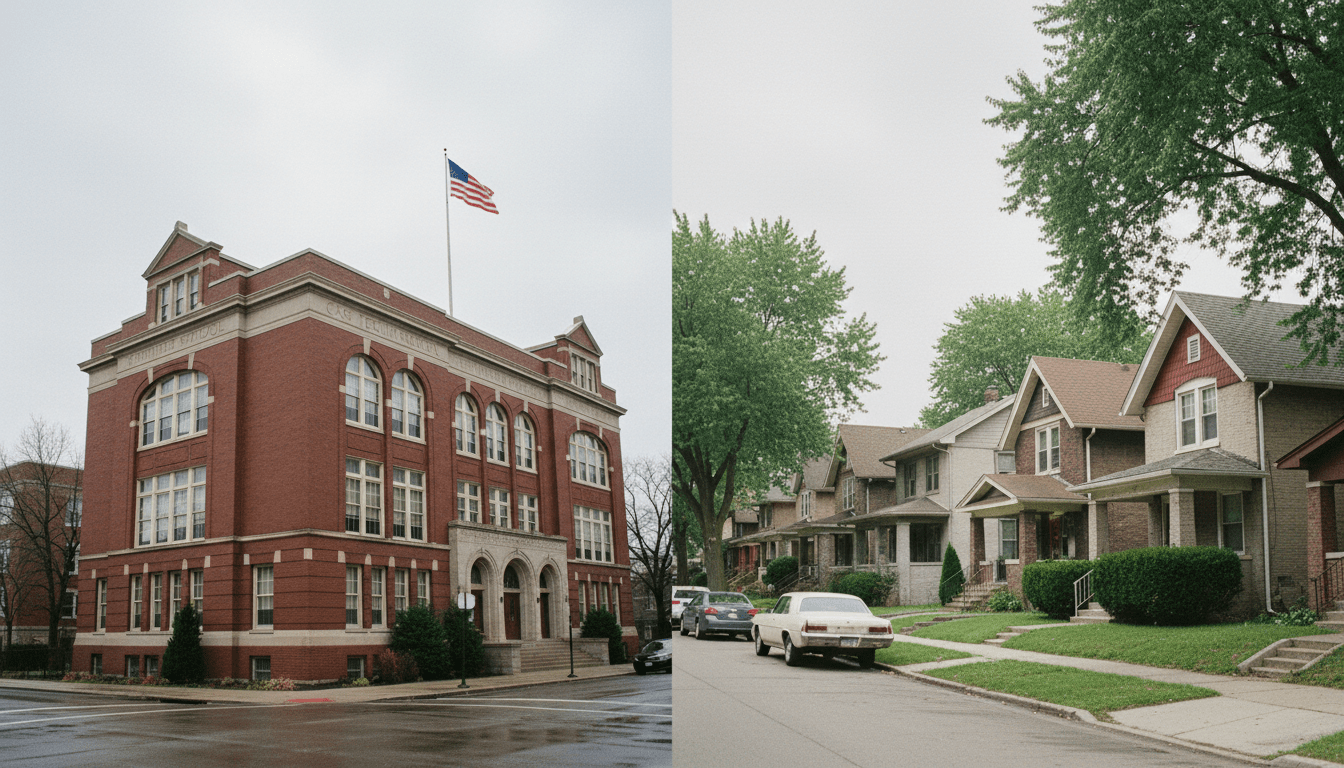
For thousands of families across the city, the start of the academic year brings a recurring challenge that extends far beyond buying school supplies or arranging transportation. As property values rise in select neighborhoods and rental availability tightens in others, the intersection of Detroit school districts housing and student stability has become a focal point for educators, city planners, and community advocates.
While Detroit has seen a surge in development and neighborhood revitalization over the last decade, a persistent issue remains: the correlation between housing instability and educational outcomes within the Detroit Public Schools Community District (DPSCD). According to data from local housing advocates and educational researchers, the frequency with which families are forced to move due to rent increases or poor housing conditions is directly contributing to chronic absenteeism and student turnover.
This dynamic creates a complex landscape for parents trying to secure a stable education for their children while navigating a fluctuating real estate market.
The Link Between Housing and Education
Educational experts have long understood that a stable home environment is a precursor to academic success. However, in Detroit, the mobility rate—the percentage of students transferring in or out of a school during the academic year—remains higher than the state average.
According to a report by the Detroit Partnership for Education Equity & Research (PEER), housing instability is a primary driver of student mobility. When families are displaced due to eviction, foreclosure, or unmanageable rent hikes, children are often pulled from their classrooms mid-year. This disruption severs ties with teachers and peers, often leading to learning gaps that are difficult to close.
"Housing is education policy," is a sentiment increasingly echoed by local stakeholders. The challenge for Detroit school districts housing availability is not just about having a roof over one’s head; it is about finding affordable, quality living spaces within the attendance boundaries of high-performing schools. As certain zones become more desirable, legacy residents fear being priced out, potentially losing access to the neighborhood schools their families have attended for generations.
Impact on Detroit Residents
For local parents, the struggle is tangible. Families relying on rental properties are particularly vulnerable. With the cost of rent rising in areas like Midtown, Corktown, and the Villages, lower-income families are increasingly pushed toward the city’s periphery or into neighboring suburbs, forcing difficult decisions regarding school enrollment.
The impact is twofold:
- Commute Times: Families who choose to keep their children enrolled in their original Detroit schools after moving often face long, complicated commutes, leading to tardiness and fatigue for students.
- Enrollment Shifts: Those who cannot manage the commute must transfer their children to new districts or charter schools, contributing to the enrollment volatility that makes budget planning difficult for the DPSCD.
Local community organizations report that many parents are unaware of their rights under the McKinney-Vento Homeless Assistance Act, which mandates that schools provide transportation for students facing housing instability. However, navigating the bureaucracy remains a hurdle for many residents already overwhelmed by housing insecurity.
Furthermore, the condition of the housing stock itself plays a role. Lead hazards and lack of weatherization in older rental units can lead to health issues like asthma, which is a leading cause of missed school days in Detroit. For more on the city’s efforts to improve existing structures, read our coverage on neighborhood revitalization projects and code enforcement.
Background & Data: The Affordability Gap
To understand the scope of the Detroit school districts housing crisis, one must look at the data regarding rental affordability. A significant portion of Detroiters are renters, and the median income in the city has not kept pace with the rising costs associated with safe, lead-free housing.
Data from the Detroit Future City think tank highlights a mismatch between the housing supply and the economic reality of many residents. Their reports indicate that while there is an abundance of single-family homes, many require significant repairs to be habitable. Meanwhile, new developments are often priced for a different income bracket.
Key statistics illustrate the friction:
- Rent Burden: A high percentage of Detroit renters spend more than 30% of their income on housing costs, leaving little buffer for educational resources or emergencies.
- Eviction Rates: While the city has implemented eviction diversion programs, filings remain a concern in high-poverty zip codes, which often overlap with schools struggling with attendance numbers.
- Property Tax Foreclosures: Although the Wayne County Treasurer has reduced the number of occupied homes entering tax foreclosure in recent years, the legacy of the foreclosure crisis continues to affect neighborhood stability.
The City of Detroit has attempted to address this through affordable housing mandates in new developments, but for families needing immediate solutions near specific schools, the inventory remains tight.
Detroit School Districts Housing Policy and Future Outlook
Looking ahead, the collaboration between the City of Detroit’s Housing and Revitalization Department and the school district is crucial. There is a growing recognition that siloed approaches—where housing and education are treated as separate entities—are insufficient.
One potential bright spot is the use of American Rescue Plan Act (ARPA) funds. City officials have directed resources toward home repair grants, which help homeowners stay in their properties. This stability directly benefits the school system by reducing student turnover. Additionally, current Detroit real estate trends suggest a slowing of the frantic price increases seen in previous years, which may allow for a market correction that benefits local buyers.
Furthermore, philanthropic organizations are stepping in to bridge the gap. Initiatives focused on "Community Schools," which provide wraparound services including housing assistance referrals, are expanding within the DPSCD. These hubs aim to serve as a stabilizer for the neighborhood, acknowledging that a child cannot learn effectively if they do not know where they will sleep that night.
As Detroit continues its recovery, the metric of success will not just be the number of new units built, but the ability of families to remain in their communities. Ensuring that Detroit school districts housing remains accessible is essential for fostering the next generation of Detroiters.