For thousands of Detroit residents, the Housing Choice Voucher program—commonly known as Section 8—represents a critical lifeline in an increasingly volatile rental market. However, securing a voucher is often only the first step in a complex journey involving limited housing stock, landlord participation hurdles, and rising rental costs across the city. As the Detroit Housing Commission (DHC) continues to navigate federal funding allocations, the gap between the number of families qualifying for assistance and the availability of compliant units remains a pressing issue for the city’s administration.
The program, funded by the U.S. Department of Housing and Urban Development (HUD) and administered locally, is designed to allow low-income families to rent in the private market. Yet, according to housing advocates and city officials, the realization of that goal is becoming increasingly difficult as Detroit’s real estate landscape shifts.
The Current Landscape of Vouchers in Detroit
The Detroit Housing Commission manages the largest allocation of vouchers in the state of Michigan. Despite this, the waiting list for Section 8 housing in Detroit is notoriously long, often remaining closed for extended periods to process the backlog of existing applicants. When the waitlist does open, it is not uncommon for thousands of applications to flood the system within days, highlighting the severe need for affordable housing solutions in the region.
According to data from the U.S. Department of Housing and Urban Development, the Fair Market Rent (FMR) for the Detroit-Warren-Livonia metro area has seen consistent increases over the last several years. This rise in market rates puts pressure on voucher holders, whose subsidies are capped based on these federal standards. If a landlord charges significantly more than the payment standard set by the DHC, the tenant may be unable to lease the unit, even with a voucher in hand.
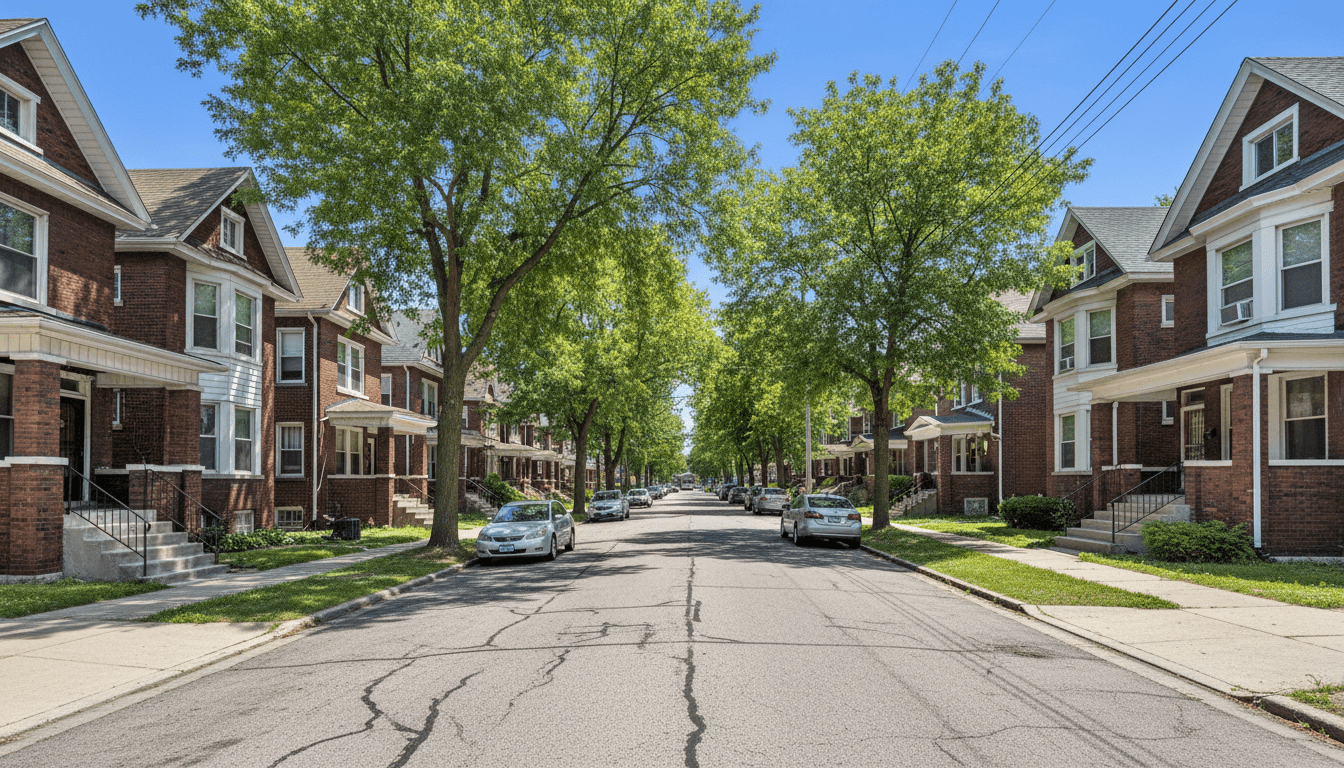
Local housing analysts point out that while downtown and midtown developments garner headlines, the bulk of Section 8 housing in Detroit is utilized in single-family neighborhoods. This distribution is vital for maintaining community stability, but it relies heavily on individual property owners agreeing to participate in the program.
Challenges with Landlord Participation
One of the primary bottlenecks in the Section 8 housing in Detroit ecosystem is the participation of private landlords. For a unit to be eligible, it must pass a Housing Quality Standards (HQS) inspection. While these inspections ensure safety and habitability for tenants, some local property owners argue that the administrative process can be cumbersome.
“The inspection process is necessary, but the time it takes to get approved can sometimes result in lost revenue for property owners,” noted a representative from a local property owners association in a recent public forum. This friction creates a scenario where landlords may opt for cash-paying tenants over voucher holders to avoid bureaucratic delays, despite the guaranteed income the government checks provide.
To combat this, the City of Detroit and the DHC have periodically engaged in outreach efforts to educate landlords on the benefits of the program, emphasizing the reliability of direct deposit payments from the government. Furthermore, recent discussions in the Detroit City Council have touched on ways to incentivize more property owners to bring their units up to code and accept vouchers.
Impact on Detroit Residents
For residents, the struggle is two-fold: waiting for a voucher and then finding a home before the voucher expires. Once issued, a voucher holder typically has 60 to 90 days to find a suitable unit. In a tight market, this “ticking clock” creates immense stress for families.
Local community organizations report that many voucher holders face “source of income” discrimination, where landlords implicitly or explicitly refuse to rent to Section 8 recipients. Although there have been legislative pushes to protect tenants from this type of discrimination, enforcement remains a challenge on the ground.
“We finally got the letter saying we were approved, but we called twenty places, and half didn’t call back once we mentioned the voucher,” said a resident currently navigating the DHC system, who asked to remain anonymous for privacy reasons. “It feels like having a golden ticket that no one wants to take.”
This dynamic forces many residents to move away from their preferred neighborhoods, potentially disrupting access to local schools, family support networks, and Detroit transportation options.
Background & Data: The Numbers Behind the Crisis
The scale of the operation is massive. The Detroit Housing Commission administers over 6,000 Housing Choice Vouchers. However, utilization rates—the percentage of vouchers actually being used to lease units—fluctuate based on market availability.
Recent HUD data indicates that rental vacancy rates in Detroit have tightened, dropping below historical averages in certain desirable zip codes. This tightening market makes it harder for voucher payment standards to compete. For example, if the voucher covers $1,100 for a two-bedroom unit, but the market rate in a safe neighborhood has risen to $1,400, the voucher holder is effectively priced out of that area.
Furthermore, the stock of affordable housing is aging. Many of the single-family homes in Detroit that typically serve Section 8 tenants require significant repairs to pass HQS inspections. Without low-interest loans or grants to help small-scale landlords make these repairs, the inventory of eligible homes continues to shrink.
What Happens Next?
Looking ahead, the future of Section 8 housing in Detroit depends heavily on collaborative efforts between the federal government, the city, and private property owners. The City of Detroit’s administration has emphasized the need for preserving existing affordable housing while building new units.
Initiatives are currently underway to streamline the inspection process and provide better customer service to landlords, hoping to increase the pool of available homes. Additionally, housing advocates are calling for an increase in the payment standards to better reflect the reality of Detroit’s post-pandemic rental market.
For now, thousands of Detroiters remain on waitlists, hopeful that when their name is called, they will be able to find a landlord willing to open the door.