
By Sarah Jenkins
Published: October 24, 2023
Location: Detroit, Michigan
Detroit Smart Mobility Ecosystems: A New Era for the Motor City
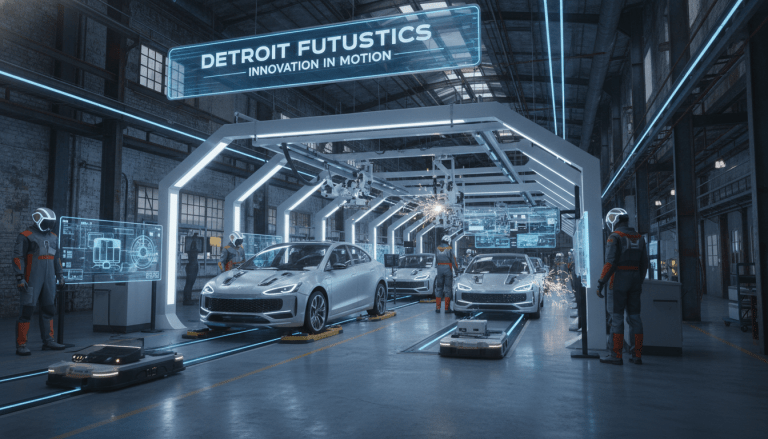
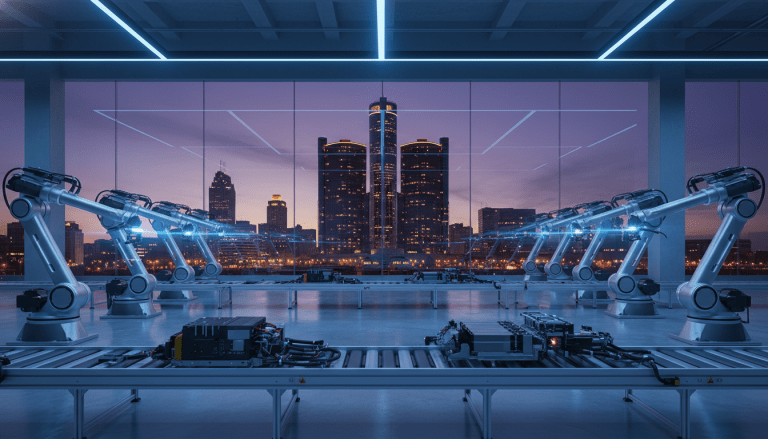
Detroit, long hailed as the world’s automotive capital, is undergoing a profound transformation. The city is no longer just building cars; it is building the future of how people and goods move. The rise of the Detroit smart mobility ecosystem is positioning the region as a global testbed for autonomous vehicles, connected infrastructure, and electric vehicle (EV) innovation.
From the revitalization of Michigan Central in Corktown to the installation of America’s first wireless charging public roadway, Detroit is leveraging its manufacturing heritage to secure its place in the digital age.
The Hub of Innovation: Michigan Central
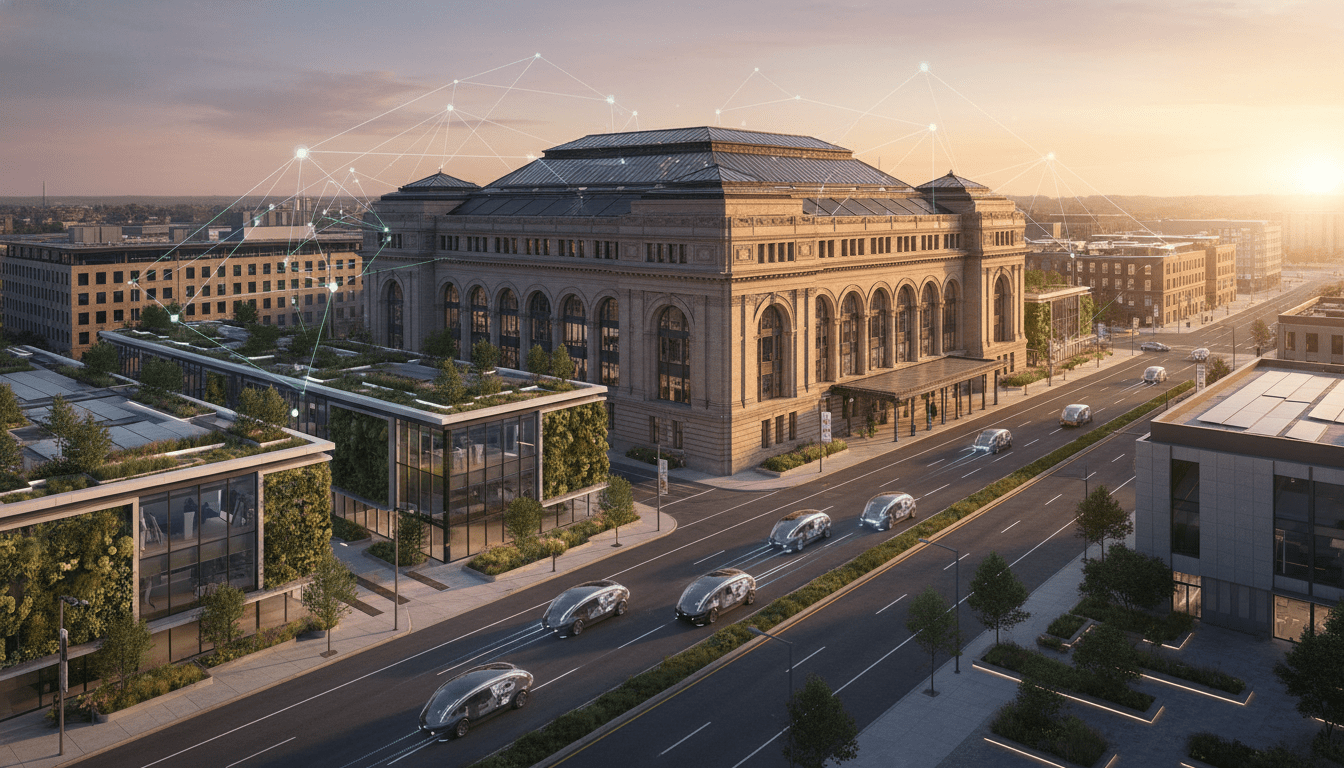
At the heart of this shift is the Michigan Central innovation district. Anchored by the historic train station recently restored by Ford Motor Company, this 30-acre campus has become a magnet for startups and tech giants alike.
According to data from the Michigan Central district, the area is designed to serve as an open platform for testing real-world mobility solutions. It is not just an office park; it is a living lab where drones, autonomous delivery bots, and connected traffic systems operate alongside residents.
"We are seeing a convergence of automotive hardware and software unlike anywhere else," said a representative from Newlab, the tech incubator housed adjacent to the station. "Companies come here because Detroit offers the physical infrastructure to test ideas that exist only as code elsewhere."
Infrastructure That Talks Back
A key component of the Detroit smart mobility landscape is the implementation of "smart" infrastructure. The Michigan Department of Transportation (MDOT) and the City of Detroit have been aggressive in deploying technology that improves safety and traffic flow.
One of the most significant developments is the pilot program on 14th Street, where wireless inductive charging coils were installed beneath the pavement. This technology allows specially equipped EVs to charge while driving, a potential game-changer for public transit and freight logistics.
Furthermore, connected traffic signals along major corridors like Michigan Avenue utilize Cellular Vehicle-to-Everything (C-V2X) technology. This allows traffic lights to communicate directly with vehicles, warning drivers of red lights ahead or the presence of pedestrians, drastically reducing the potential for accidents.
Impact on Detroit Residents
While high-tech concepts often feel abstract, the local government insists that the Detroit smart mobility push is focused on improving quality of life for current residents.
The City of Detroit’s Office of Mobility Innovation (OMI) has emphasized that these technologies must solve real problems. For example, autonomous shuttles are being explored as solutions for "last-mile" transit gaps, helping residents in neighborhoods with lower car ownership rates access grocery stores and medical appointments more easily.
Additionally, the economic impact is tangible. As traditional assembly line jobs evolve, the demand for technicians, software engineers, and electrical infrastructure specialists is growing. Local workforce development programs are shifting focus to ensure Detroiters are trained to maintain charging stations and manage fleet software.
For more on how local development is shifting, read our coverage on Detroit’s evolving economic landscape and the latest updates on infrastructure projects across the city.
Background & Data
The state of Michigan has invested heavily to ensure it remains competitive against tech hubs like Silicon Valley. According to the Michigan Office of Future Mobility and Electrification, the state is ranked number one in the nation for mobility-related patents.
Current data indicates:
- Over $10 billion has been invested in EV manufacturing in Michigan since 2019.
- Detroit is home to the Detroit Smart Parking Lab, a unique facility specifically for testing automated valet and parking technologies.
- The "transportation-as-a-service" market is projected to grow significantly, with Detroit positioning itself as a primary regulatory sandbox.
What Happens Next
The next phase for the Detroit smart mobility ecosystem involves scaling these pilots into city-wide solutions. As the Michigan Central district fully opens its doors to the public and more startups set up shop, residents can expect to see more autonomous testing on public roads.
The challenge remains ensuring that the benefits of this tech boom—cleaner air from EVs, safer streets from smart sensors, and high-paying jobs—reach all neighborhoods, not just the innovation corridors.