
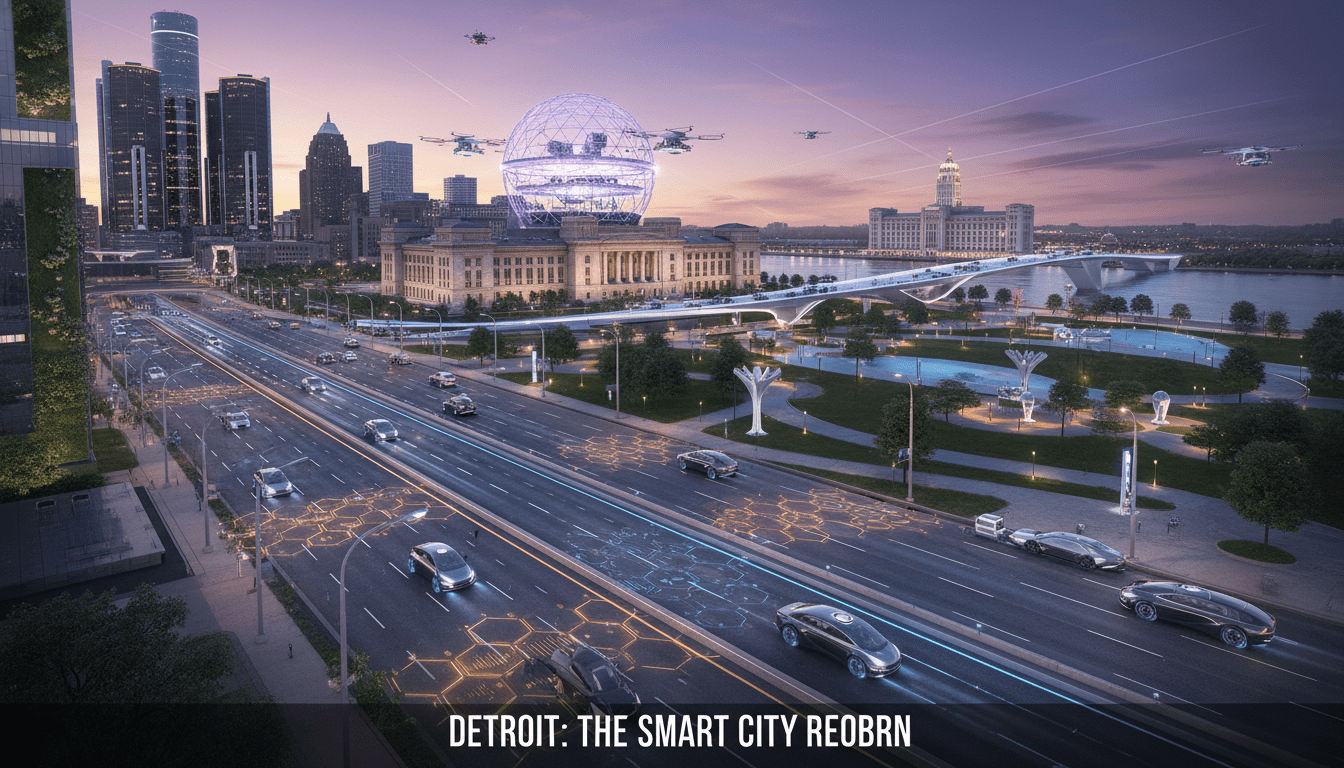
Detroit, historically known as the world’s automotive heartbeat, is undergoing a profound transformation. No longer just a manufacturing hub for internal combustion engines, the city is rapidly evolving into a global testbed for the future of transportation. Through a collaborative effort involving state agencies, automotive giants, and tech startups, a robust Detroit smart mobility ecosystem is taking shape, promising to redefine how residents and goods move through urban environments.
The shift represents a critical pivot for the region’s economy. As the automotive industry transitions toward electrification and autonomy, Detroit is leveraging its legacy infrastructure to support connected vehicles, smart traffic management, and multimodal transit solutions. According to the Michigan Office of Future Mobility and Electrification (OFME), the state is aggressively pursuing public-private partnerships to ensure Detroit remains the density center for mobility innovation in North America.
The Anchors of Innovation: Michigan Central and Beyond
At the center of this ecosystem lies the newly restored Michigan Central Station in Corktown. Spearheaded by Ford Motor Company, this innovation district serves as a physical gravity well for the Detroit smart mobility sector. It is not merely a corporate office; it is designed as an open platform where startups, established tech firms like Google, and municipal planners congregate to solve complex transportation problems.
“The vision for Michigan Central is to create a density of talent and technology that accelerates the deployment of real-world solutions,” said a spokesperson for the district during the station’s reopening festivities earlier this year. This physical hub allows for the testing of aerial mobility (drones), autonomous deliveries, and micromobility solutions in a real-world, four-season climate.
However, the ecosystem extends beyond Corktown. The Detroit Smart Parking Lab, located in the Bedrock-owned Assembly Garage, provides a unique sandbox for parking-related technologies. Here, companies test automated valet parking and EV charging interoperability, critical components for a future where vehicles may park themselves without human intervention.
Connected Infrastructure and Digital Roads
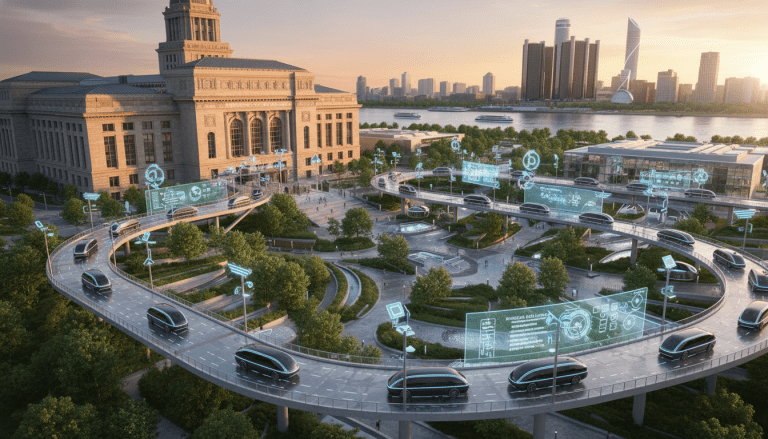
A smart mobility ecosystem requires more than just smart cars; it requires smart roads. The Michigan Department of Transportation (MDOT) has been instrumental in deploying roadside units (RSUs) that communicate directly with equipped vehicles. This vehicle-to-infrastructure (V2I) technology allows traffic lights to talk to cars, warning drivers of red lights ahead or the presence of pedestrians.
One of the most ambitious projects is the collaboration with Cavnue to develop a connected and automated vehicle (CAV) corridor along I-94. This project aims to create a dedicated lane equipped with sensors and digital infrastructure to support autonomous transit and freight. By digitizing the physical road, Detroit is preparing for a future where the infrastructure itself helps guide vehicles safely, reducing congestion and accidents.
For a deeper look into how local businesses are adapting to these technological shifts, read our coverage on Detroit’s evolving startup landscape.
Impact on Detroit Residents
While high-tech corridors and autonomous testing make headlines, the true measure of the Detroit smart mobility ecosystem is its impact on local residents. Detroit has long struggled with transit equity, where a lack of reliable transportation limits access to jobs, healthcare, and education for many neighborhoods.
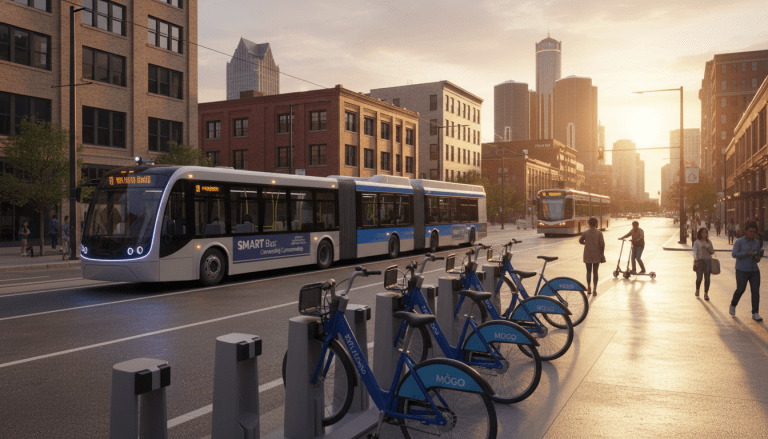
City officials are focusing on how these technologies can bridge the gap. “Smart mobility isn’t just about robotaxis; it’s about solving the first-mile, last-mile challenge for residents in neighborhoods far from the QLine or major bus routes,” stated a representative from the City of Detroit’s mobility innovation department.
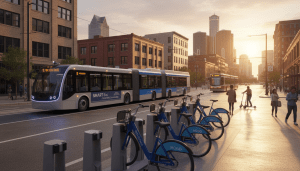
Current pilot programs include on-demand shuttle services that utilize routing algorithms to pick up residents more efficiently than traditional fixed-route buses. Furthermore, smart traffic signals that prioritize public transit vehicles are being tested to improve bus reliability. For residents, this means less time waiting in the cold and more reliable access to employment centers.
However, community engagement remains vital. Residents have expressed concerns regarding data privacy and the potential for gentrification in tech-heavy districts. Local advocacy groups emphasize that for this ecosystem to be successful, it must be inclusive, offering training and employment opportunities to Detroiters rather than just importing tech talent.
Economic Growth and Workforce Development
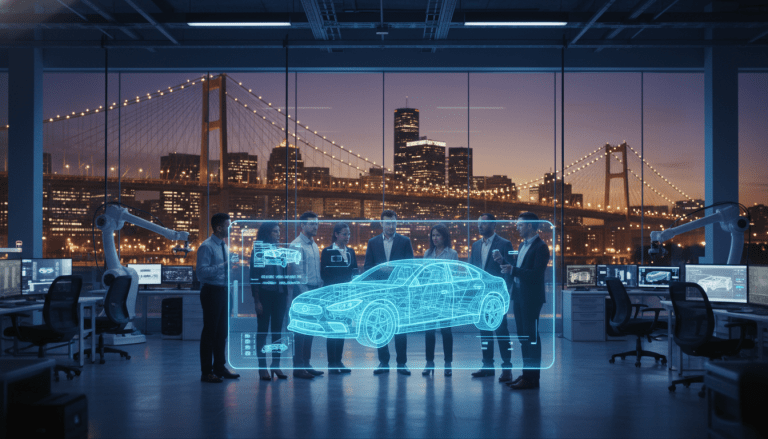
The growth of the smart mobility sector is a significant driver for the local economy. It is creating a demand for a new type of workforce—one skilled in software engineering, data analysis, and cybersecurity, in addition to traditional manufacturing.
Universities such as Wayne State University and the University of Michigan are aligning their curriculums to feed this ecosystem. By partnering with industry leaders, they are ensuring that the talent pipeline remains robust. This shift is crucial for keeping Detroit competitive against other tech hubs like Silicon Valley and Austin.
Data from regional economic development organizations suggests that mobility-related tech jobs are among the fastest-growing sectors in Southeast Michigan. This influx of high-tech employment is expected to have a ripple effect on Detroit real estate and housing demand as more professionals move into the city to be closer to these innovation hubs.
Challenges and the Road Ahead
Despite the optimism, significant hurdles remain. The integration of autonomous vehicles into mixed traffic—where human drivers, cyclists, and robots share the road—is fraught with safety and regulatory challenges. Winter weather poses a specific technical challenge for sensors, making Detroit the ultimate proving ground; if a system works here in February, it can work almost anywhere.
Furthermore, funding for infrastructure upgrades is an ongoing battle. While federal grants and private investments have jumpstarted many initiatives, sustaining the maintenance of high-tech digital infrastructure will require long-term financial commitments from the state.
As we move toward 2030, the Detroit smart mobility ecosystem is poised to become the standard-bearer for modern urban transportation. By merging its manufacturing heritage with cutting-edge software and infrastructure, Detroit is not just recovering its status on the world stage—it is reinventing what it means to be a city in motion.