

By Sarah Jenkins
Published: October 24, 2023
Location: Detroit, Michigan
Detroit Smart Mobility Projects Drive the City’s Tech Evolution
For over a century, Detroit has been defined by the internal combustion engine. Today, the narrative is shifting rapidly as Detroit smart mobility initiatives transform the region from the Motor City into a global hub for transportation technology. From the revitalization of Michigan Central to the installation of the nation’s first wireless charging public roadway, Detroit is laying the physical and digital groundwork for the future of movement.
This transition is not merely about autonomous vehicles; it represents a comprehensive overhaul of how infrastructure, data, and vehicles interact to create safer, cleaner, and more efficient transportation networks for residents and businesses alike.
The Hub of Innovation: Michigan Central
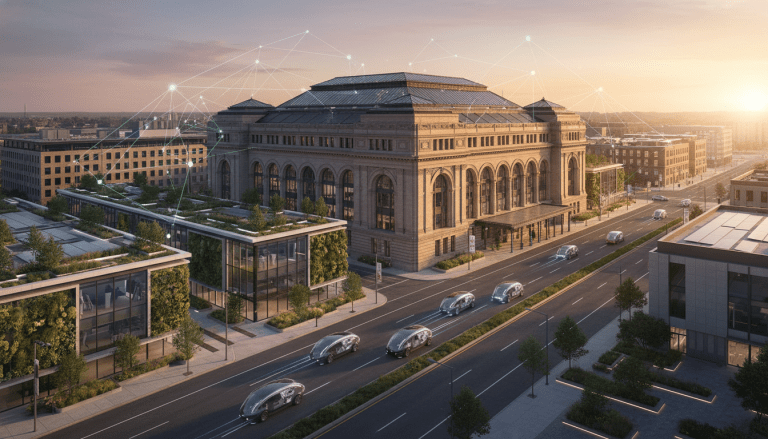
At the heart of this transformation is the Michigan Central innovation district in Corktown. Spearheaded by Ford Motor Company, the project has restored the historic train station and converted it into a collaborative campus for mobility startups, researchers, and tech giants.
According to officials from the City of Detroit’s Office of Mobility Innovation, the district is designed to solve real-world transportation challenges. “We are creating a density of talent and technology that doesn’t exist anywhere else,” a spokesperson noted during a recent press briefing. The campus facilitates the testing of drones, autonomous delivery robots, and next-generation electric vehicle (EV) charging solutions in a controlled, real-world environment.
This concentration of resources is vital for the local economy. As reported by Detroit business leaders, the shift is attracting venture capital and creating high-tech jobs that differ significantly from the assembly line roles of the past.
Smart Infrastructure on Detroit Streets
One of the most tangible examples of Detroit smart mobility is the implementation of inductive-charging roadways. In a pilot project located on 14th Street within the Michigan Central district, coils embedded beneath the pavement allow equipped electric vehicles to charge while driving or idling. This technology, developed in partnership with Electreon, marks a significant step toward eliminating “range anxiety” for EV drivers.
Furthermore, the Michigan Department of Transportation (MDOT) continues to expand its connected vehicle corridors. Sections of I-94 and other major arteries are now equipped with roadside units that communicate with vehicles to warn drivers of upcoming traffic jams, weather hazards, or signal changes. This data-driven approach aims to drastically reduce accident rates across the metro area.
Impact on Detroit Residents
While high-tech corridors garner headlines, the primary goal of these initiatives is to improve the quality of life for Detroiters. The city’s mobility strategy focuses on increasing accessibility for residents who may not own personal vehicles.
- Safer Crossings: Smart traffic signals are being deployed to prioritize pedestrian safety, adjusting timing based on real-time foot traffic data.
- Better Public Transit: The integration of real-time tracking data helps residents plan commutes more effectively, reducing wait times at bus stops.
- Job Opportunities: The influx of mobility tech companies brings training programs and employment opportunities in software development, data analysis, and infrastructure maintenance.
“It’s about equity as much as it is about technology,” said a representative from a local community advocacy group. “If these advancements don’t help a grandmother get to her doctor’s appointment on the east side, we aren’t fully succeeding.”
Background & Data
Data from the Southeast Michigan Council of Governments (SEMCOG) indicates that investment in intelligent transportation systems (ITS) yields a high return on investment by reducing congestion costs. A recent economic impact report suggested that the mobility sector could contribute billions to Michigan’s GDP over the next decade.
Detroit is competing on a global stage. Cities like Singapore and Tel Aviv are also vying for dominance in the smart mobility sector, but Detroit possesses a unique advantage: the unparalleled manufacturing infrastructure of the Big Three automakers combined with a rapidly growing tech sector. See our previous coverage on local tech startups fueling this growth.
What Happens Next
Looking ahead to 2025, residents can expect to see expanded testing zones for autonomous shuttles, particularly designed to connect neighborhoods with downtown job centers. The City of Detroit is also exploring “digital curbside management” to better organize the flow of delivery trucks and rideshare vehicles, reducing double-parking and street congestion.
As Detroit smart mobility projects move from pilot phases to widespread adoption, the city is proving that it can honor its heritage while aggressively pursuing a high-tech future.