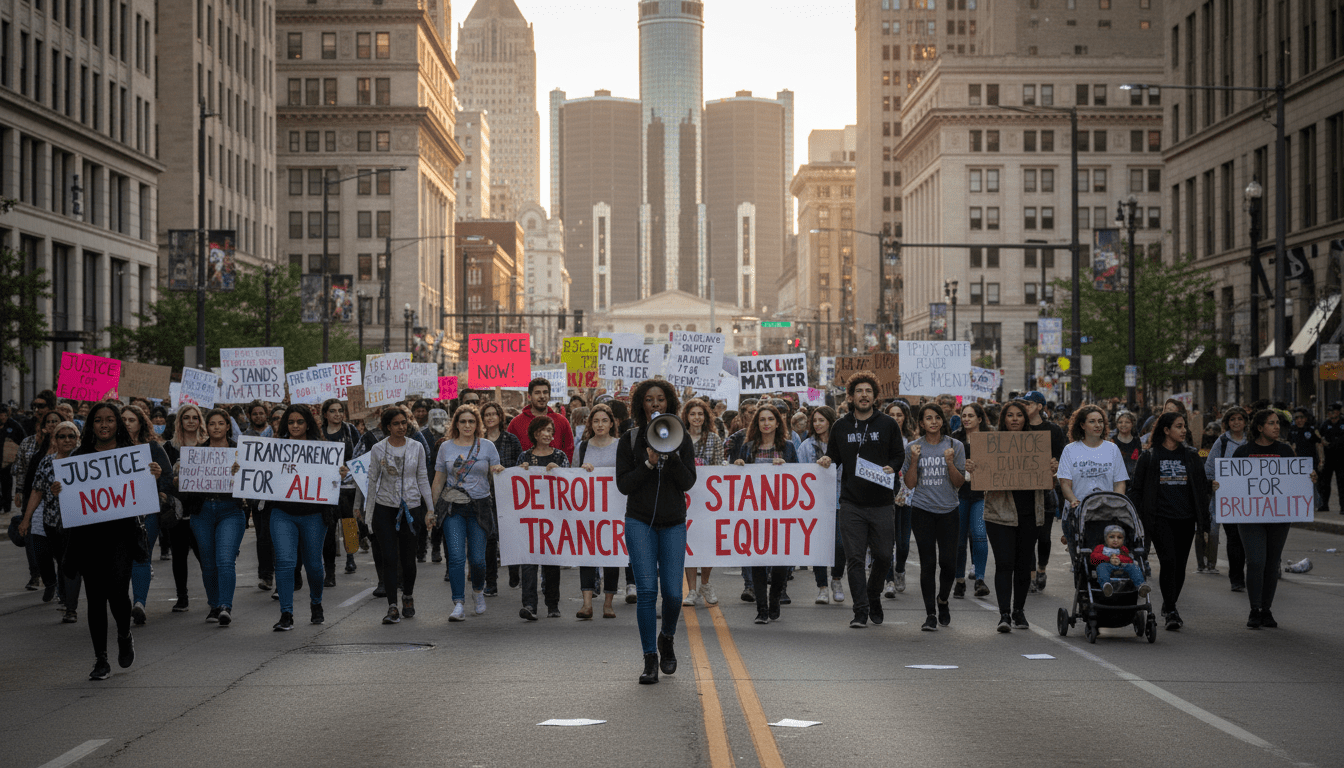
Civil rights organizations and community groups across Detroit are mobilizing for a series of solidarity actions following the fatal shooting of a Minneapolis activist by members of a federal task force. The incident, which has reignited national debates concerning the use of force by federal law enforcement agencies, has struck a chord in Detroit, a city with a deep-rooted history of activism and ongoing dialogues regarding police reform.
Local organizers confirmed late Tuesday that emergency rallies are being scheduled for downtown Detroit later this week. The demonstrations aim to demand transparency regarding the events in Minneapolis and to call for greater oversight of federal agents operating within major U.S. cities. While the focal point of the tragedy is in Minnesota, Detroit activists argue that the implications are national, directly affecting communities in Michigan that interact with similar federal task forces.
Details of the Minneapolis Incident
The controversy stems from an operation conducted by a U.S. Marshals-led task force in Minneapolis. According to preliminary reports and statements from the U.S. Department of Justice, task force members were attempting to apprehend a suspect when shots were fired, resulting in the death of the activist. Authorities have stated that a weapon was produced during the encounter, though conflicting witness accounts have emerged, fueling public skepticism.
The lack of body-camera footage—a recurring issue with federal task force operations compared to local police departments—has become a central point of contention. In Minneapolis, the Bureau of Criminal Apprehension is leading the investigation, but the ripple effects are already being felt in Detroit, where community leaders are drawing parallels to local concerns about accountability.
Reaction from Detroit Civil Rights Groups
In Detroit, the response has been swift. Coalitions that formed during the 2020 protests following the death of George Floyd have reactivated their networks. Members of Detroit Will Breathe and other local advocacy groups issued statements expressing solidarity with the Minneapolis community. They emphasize that the struggle for civil rights is interconnected across state lines.
“This is not just a Minneapolis story; this is a story about how federal law enforcement operates in our neighborhoods with limited accountability,” said a spokesperson for a local Detroit civil rights coalition during a press briefing. “When we see a lack of transparency in one city, it raises red flags for us here in Detroit. We are marching to ensure that federal agents are held to the same standards of transparency that we demand from the Detroit Police Department.”
Local organizers are utilizing social media to coordinate the upcoming Detroit solidarity protests, urging peaceful demonstrations at Hart Plaza and near the federal courthouse. The stated goal is to pressure federal lawmakers to mandate body cameras for all federal agents and task force officers, a policy that has seen slow implementation despite previous executive orders.
Context: Federal Agents in Detroit
To understand the intensity of the local reaction, it is necessary to look at Detroit’s recent history with federal law enforcement. In recent years, Detroit was a primary focus of “Operation Legend,” a federal initiative that surged federal agents into major cities to combat violent crime. While officials credited the operation with numerous arrests, it also generated significant friction with community members who felt the city was being over-policed.
Data from federal reports indicates that joint task forces—comprising local police, state troopers, and federal agents (such as ICE or the U.S. Marshals)—routinely operate in Wayne County. While these partnerships are designed to target high-level violent crime and trafficking, critics argue they often operate in a grey area of oversight.
“The disconnect often happens because federal task force members are not always subject to the same local oversight boards that govern the Detroit Police Department,” explained a legal analyst specializing in Michigan civil rights law. “When a shooting involves a DPD officer, there is a specific local protocol. When it involves a federal task force member, the jurisdiction and transparency requirements shift, often leaving the public in the dark for longer periods.”
This structural complexity is a key driver of the planned local civil rights movements. Activists are concerned that without specific policy changes, a similar incident could occur in Detroit, leading to similar disputes over evidence and justification.
Official Responses and Safety Measures
The Detroit Police Department (DPD) has indicated they are aware of the planned demonstrations. In a brief statement, officials emphasized the right to peaceful protest while stressing the importance of public safety. The department has stated it will maintain a presence to ensure traffic control and the safety of both demonstrators and bystanders.
City officials are walking a fine line, acknowledging the pain felt by the community while maintaining cooperative relationships with federal partners necessary for crime reduction strategies. A source within the city administration noted that Detroit leadership is monitoring the situation in Minneapolis closely, understanding that the release of further information could either calm or inflame tensions locally.
“We support the First Amendment rights of our residents to express their grievances,” a city representative stated. “Detroit has shown the world that it can protest peacefully and powerfully. We expect that tradition to continue this week.”
Impact on Detroit Residents
For the average Detroit resident, these events underscore the ongoing tension regarding policing in the city. While many residents support robust law enforcement to curb violent crime, there is a simultaneous, palpable fatigue regarding police use-of-force incidents.
Small business owners in the downtown area, while supportive of free speech, are hoping that the Detroit solidarity protests remain peaceful to avoid the disruptions seen in other cities. “We are just getting back on our feet economically,” said the manager of a Woodward Avenue café. “We support the cause for justice, absolutely. We just hope the dialogue remains constructive and safe for everyone involved.”
Furthermore, this event brings the topic of police oversight measures back to the forefront of local politics. It is likely that the Board of Police Commissioners will face renewed questions from the public regarding the extent of DPD’s collaboration with federal task forces and what safeguards are in place to protect Detroit citizens during joint operations.
Looking Ahead
As the investigation in Minneapolis unfolds, Detroit remains on alert. The upcoming protests will serve as a barometer for the city’s current social climate. If the Minneapolis case reveals evidence of misconduct, it is expected that the calls for reform in Detroit will grow louder, potentially influencing the upcoming local election cycles where public safety remains a top priority.
For now, the focus remains on the planned gatherings. Organizers are asking participants to wear masks and bring water, anticipating significant turnout as the weather warms up. DetroitCityNews.com will continue to provide updates on traffic impacts and the progress of the demonstrations as they occur.