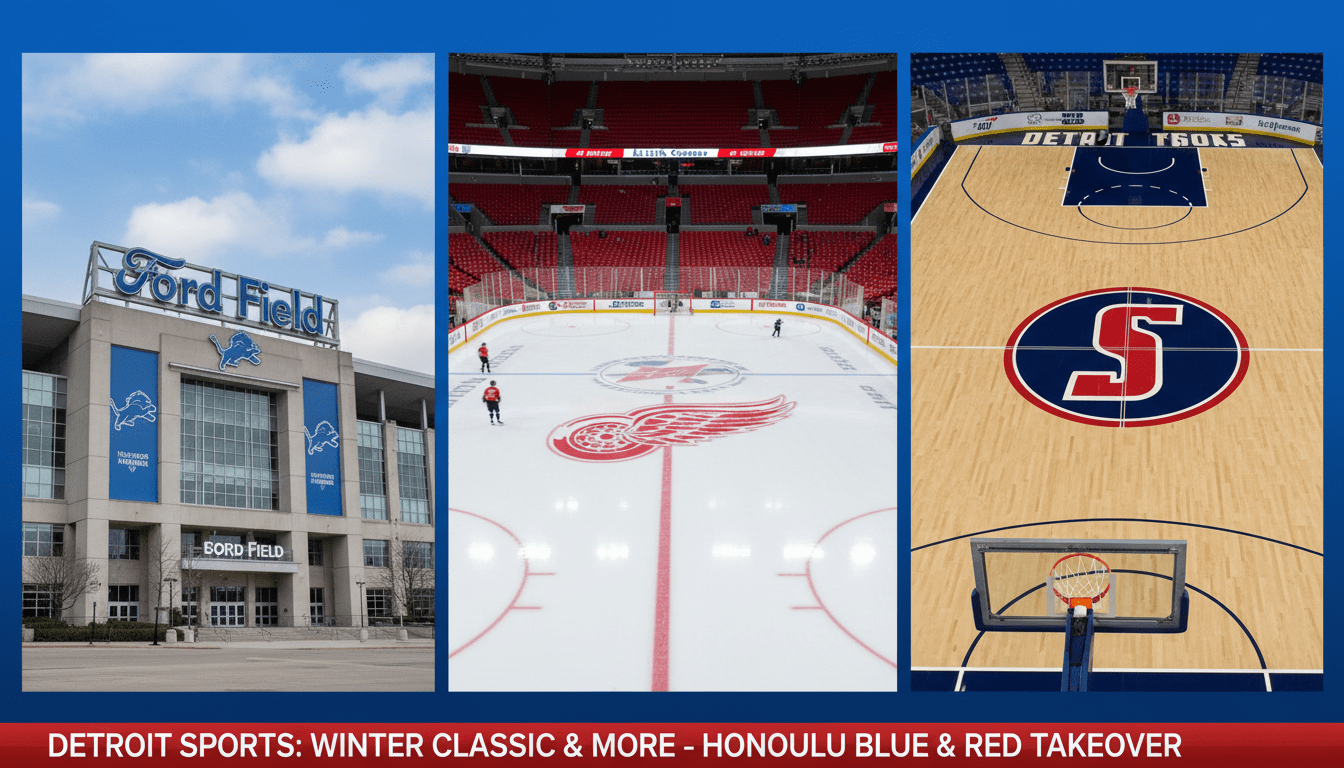
For decades, the narrative surrounding Detroit sports in the offseason was one of hope, rebuilding, and lottery odds. However, the 2024 offseason has marked a distinct shift in the atmosphere surrounding the Motor City’s professional franchises. Following a historic season for the Detroit Lions and a near-playoff miss for the Red Wings, the focus has shifted from acquiring assets to managing expectations and complex salary cap situations.
While the Lions have moved aggressively to lock down their roster, both the Red Wings and Pistons find themselves at different but equally critical crossroads. This summer represents a defining moment for the city’s sports landscape, with financial commitments reaching record highs and front-office strategies facing scrutiny.
Lions Double Down on “New Era” Foundation
The most significant news of the Detroit sports offseason comes from Allen Park, where General Manager Brad Holmes has effectively pushed all his chips into the center of the table. Following a run to the NFC Championship game, the organization prioritized continuity over splashing in the open market.
The Lions committed over $400 million in contract extensions to three foundational pillars: quarterback Jared Goff, wide receiver Amon-Ra St. Brown, and offensive tackle Penei Sewell. According to data released by the NFL, these moves make the Lions one of the few teams in league history to reset the market at two different positions (receiver and tackle) in the same offseason.
“We have a blueprint, and we are sticking to it,” Holmes said in a press conference following the draft. “These are the guys who built the culture. Rewarding them isn’t just about play on the field; it’s about the message it sends to the locker room.”
For Detroit fans, this stability is foreign. The narrative has shifted from “Will they stay?” to “How far can they go?” analysts note that this aggressive retention strategy reduces the team’s salary cap flexibility in future years, placing immense pressure on the coaching staff to deliver a Super Bowl appearance within the next two seasons.
For more on the team’s previous season performance, read our analysis of the Lions’ historic playoff run.
Red Wings: The “Yzerplan” Meets the Salary Cap
While the Lions are celebrating stability, the Detroit Red Wings are navigating a more turbulent offseason. After missing the playoffs by a tiebreaker, General Manager Steve Yzerman faces his most difficult summer since returning to Detroit. The primary challenge is not talent acquisition, but talent retention under a tightening salary cap.
The spotlight is firmly on restricted free agents Moritz Seider and Lucas Raymond. Both young stars are due for massive raises that will consume a significant portion of the team’s available cap space. Industry insiders suggest that negotiations could drag late into the summer, as both camps look to set benchmarks for young talent in the NHL.
Furthermore, the Red Wings must decide how to address their goaltending and defensive depth. Yzerman has preached patience, famously asking fans to trust the process, but the near-miss this past season has accelerated the timeline. “We are trying to build a contender that lasts, not just a team that makes the playoffs once and falls apart,” Yzerman told reporters during his end-of-season availability.
The pressure is mounting. With the Atlantic Division remaining one of the toughest in hockey, the margin for error this Detroit sports offseason is non-existent for the Wings.
Pistons Restructure for Accountability
On the other end of the spectrum, the Detroit Pistons are undergoing yet another comprehensive overhaul. Following a franchise-worst 14-win season, owner Tom Gores initiated a restructuring of the front office, hiring Trajan Langdon as the new President of Basketball Operations.
The move signals a shift away from the previous collaborative decision-making model to a singular voice leading the franchise. Langdon faces an uphill battle with a roster that has talent—specifically Cade Cunningham—but lacks cohesion and shooting.
Local analysts suggest that this offseason is less about splashy player acquisitions for the Pistons and more about establishing a functional organizational culture. With significant cap space available, Langdon has the assets to take on bad contracts in exchange for draft capital, a strategy that requires patience from an already weary fanbase.
Impact on Detroit Residents and Economy
The fortunes of these teams extend beyond the box scores. The economic impact of a successful Detroit sports offseason translates directly to downtown revenue. The recent NFL Draft, hosted in Detroit, broke attendance records and poured millions into the local economy. A consistent winner in the Lions, combined with competitive Wings and Pistons teams, ensures steady foot traffic for downtown businesses throughout the calendar year.
Local business owners near the arenas have reported revenue spikes corresponding directly with the teams’ competitiveness. “When the teams are winning, people don’t just come to the game; they come early, they stay late, and they spend money in the city,” said a representative from the Detroit Economic Growth Corporation.
Residents can expect increased traffic and development projects centered around the district Detroit area to continue, fueled by the optimism of the sports sector. For further reading on local economic shifts, see our report on downtown development projects.
Background & Future Outlook
The convergence of the Lions’ peak window, the Red Wings’ transitional phase, and the Pistons’ reset creates a unique dynamic in Detroit sports history. According to data from Spotrac, Detroit teams combined have more committed future salary guarantees in 2024 than in any previous year, highlighting the financial investment ownership groups are willing to make.
As training camps approach, the eyes of the national media will remain fixed on Detroit. The Lions are now the hunted rather than the hunters, while the Wings and Pistons fight to regain relevance. This offseason has set the stage for a defining 2024-2025 calendar year for the City of Detroit.