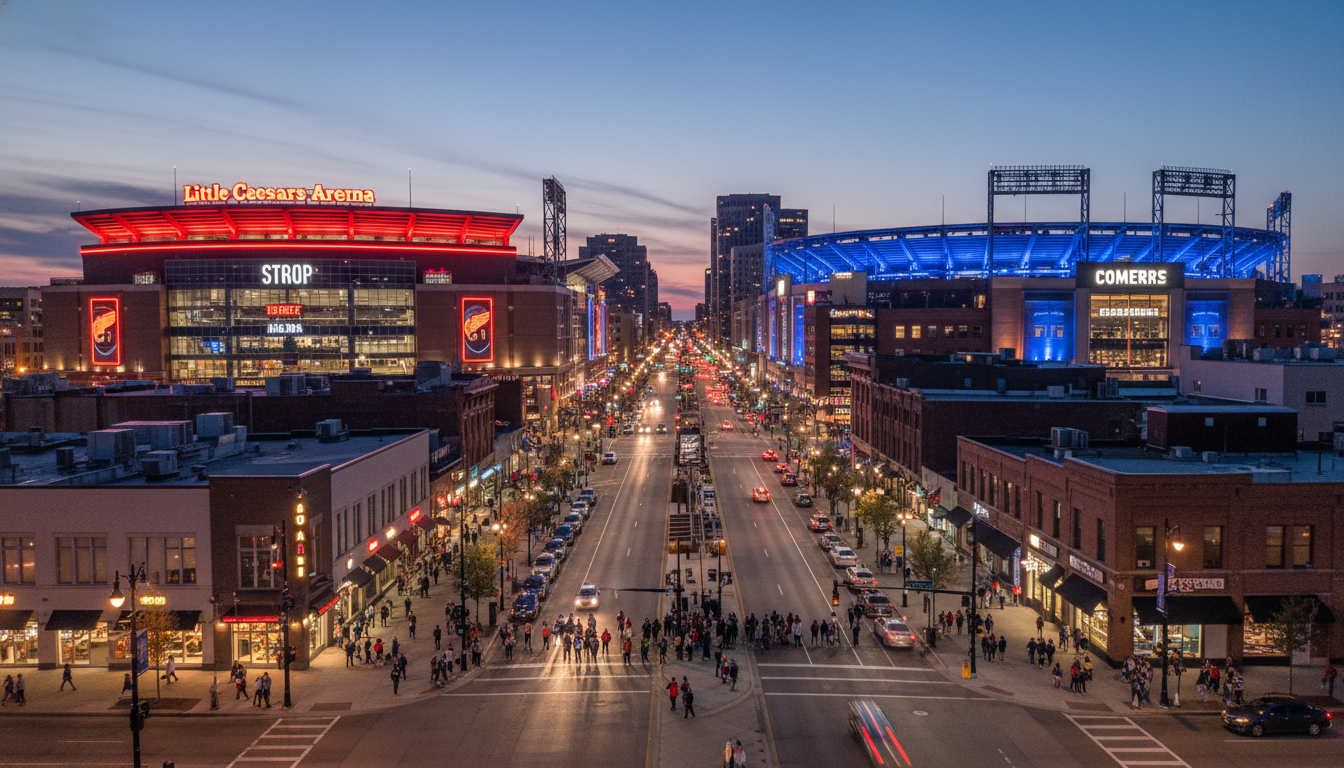
Following the record-breaking attendance of the 2024 NFL Draft and recent investments in the downtown core, Detroit is readying itself for an unprecedented year of athletics. The Detroit sports events 2026 calendar is shaping up to be one of the most commercially significant in the city’s history, anchored by the return of the NCAA Men’s Basketball Tournament and the continued evolution of the District Detroit area. Local officials and sports analysts suggest that 2026 will serve as a litmus test for the city’s long-term capacity to host recurring international spectacles.
NCAA March Madness Returns to Little Caesars Arena
One of the primary highlights of the 2026 Detroit games schedule is the return of the NCAA Men’s Basketball Tournament. The NCAA officially awarded the 2026 Midwest Regional (Sweet 16 and Elite 8) to Detroit, with games set to take place at Little Caesars Arena. According to the Detroit Sports Commission, hosting these rounds is expected to generate tens of millions of dollars in local economic impact, filling hotel rooms across the metro area during the peak of the spring season.
The selection of Detroit for the 2026 regionals follows a successful stint hosting the earlier rounds in previous years. —Our ability to execute high-stakes tournament play in a centralized, walkable district remains our greatest competitive advantage,— a representative from the Detroit Sports Commission stated during a recent planning session. This event is a cornerstone for live sports Detroit fans, drawing collegiate alumni from across the Midwest into the downtown corridor.
The 2026 Professional Sports Outlook
While tournament play brings in tourism, the heartbeat of the city remains the year-round performance of the core sports teams Detroit residents support. The 2026 seasons for the Lions, Tigers, Red Wings, and Pistons are anticipated with high expectations as several of these franchises reach critical stages in their developmental cycles.
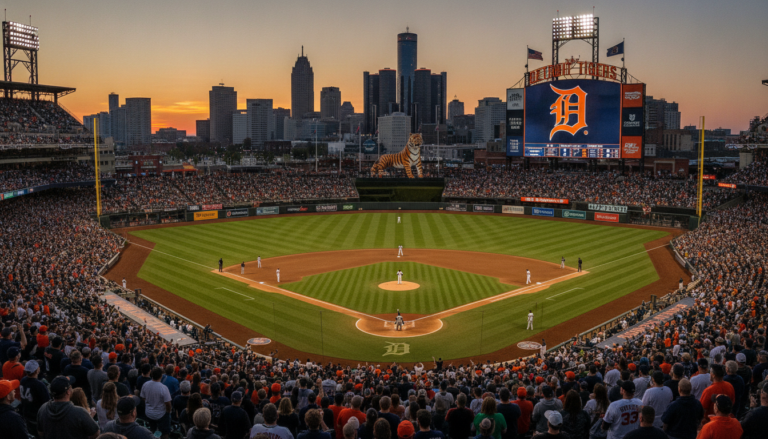
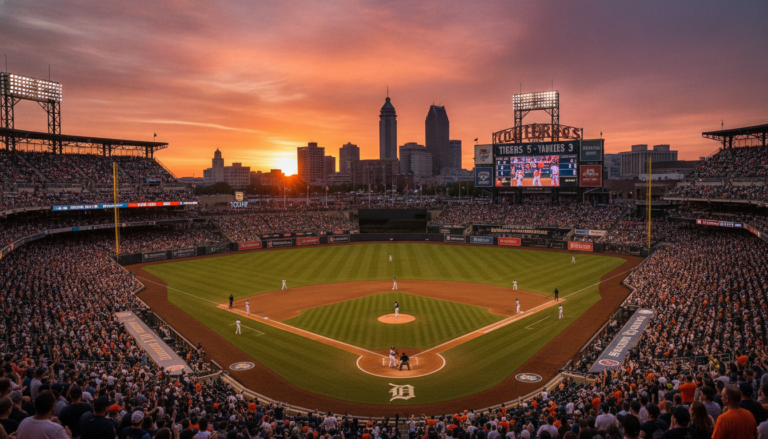
By 2026, the Detroit Tigers are expected to have solidified their young roster, with Comerica Park remaining a central hub for summer activity. Meanwhile, the Detroit Lions, following their recent surge into national championship contention, have seen a massive spike in season ticket demand for the 2026 window. According to data from the City of Detroit, Ford Field is undergoing incremental infrastructure updates to improve the fan experience and digital connectivity by the time the 2026 season kicks off.
Furthermore, Detroit City FC (DCFC) continues to expand its footprint in the professional soccer landscape. As the 2026 FIFA World Cup takes place across North America, including nearby host cities like Toronto, Detroit is positioning itself as a regional hub for international fans, potentially hosting international friendlies or fan festivals that align with the global soccer calendar.
Impact on Detroit Residents and Local Infrastructure
The influx of visitors for Detroit sports events 2026 will have a direct impact on local neighborhoods and infrastructure. The City of Detroit has announced plans to accelerate several transit projects, including the integration of more reliable bus routes connecting the outer neighborhoods to the downtown sports district. For residents, this means both increased opportunity for seasonal employment and the challenge of navigating a more congested urban center.
Local business owners in the North Midtown and Corktown areas have already begun preparing for the 2026 surge. According to the Detroit Economic Growth Corporation (DEGC), small business grants are being prioritized for hospitality and service-based companies that can demonstrate a plan to scale up for large-scale sporting crowds. —We aren’t just looking at the games on the field; we are looking at the foot traffic on the sidewalks,— noted a DEGC analyst.
Housing and short-term rentals are also expected to see a price correction. Data from the U.S. Census Bureau and local real estate tracking show that property values in the immediate vicinity of the District Detroit have risen steadily, a trend that is expected to peak as the 2026 tournament dates approach. You can read more about the evolution of Detroit neighborhoods in our recent housing report.
Background and Economic Data
The economic strategy behind the 2026 calendar is rooted in the success of the —District Detroit— development model. A report from the University of Michigan’s economic research team indicates that sports-related tourism now accounts for a significant percentage of the city’s non-automotive revenue. By clustering arenas for the Red Wings, Pistons, Tigers, and Lions within a few blocks of each other, Detroit has created a —sports destination density— that few other American cities can match.
In 2026, this density will be tested. According to the Detroit Sports Commission, the city is aiming to maintain an average hotel occupancy rate of over 85% during major event weeks. This goal is supported by the opening of several new boutique hotels in the Hudson’s Site and renovated historic buildings, adding hundreds of rooms to the downtown inventory.
For more information on the city’s financial preparations, see our deep dive into the Detroit business climate and how it supports major infrastructure projects.
What Happens Next: Looking Toward 2027
As Detroit moves through the 2026 calendar, the focus will eventually shift toward securing a future Super Bowl or another NCAA Final Four. The performance of the city during the 2026 NCAA Regionals will be a deciding factor for national committees. City officials are currently in talks with the Michigan Department of Transportation to ensure that the Gordie Howe International Bridge, slated to be fully operational by then, will be integrated into the city’s broader logistics plan for sports fans traveling from Canada.
The 2026 season is more than just a series of games; it is a manifestation of Detroit’s decade-long effort to redefine itself as a modern, accessible, and vibrant metropolitan center. Whether it is the roar of the crowd at Ford Field or the crack of the bat at Comerica Park, the 2026 schedule represents a new chapter in the city’s storied athletic legacy.