
By Sarah Jenkins
Published: October 24, 2023
Location: Detroit, Michigan
Detroit Accelerates Sustainable Transportation Initiatives Amid Infrastructure Overhaul
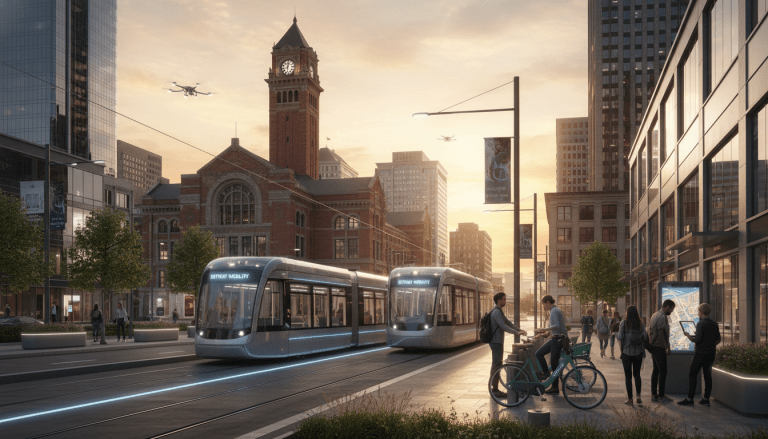
Detroit, historically known worldwide as the Motor City, is currently undergoing a significant transformation aimed at redefining how residents and visitors move through the region. As 2024 approaches, city officials and private partners are ramping up efforts to expand Detroit sustainable transportation networks, moving beyond the personal combustion engine to embrace electric mobility, expanded public transit, and non-motorized infrastructure.
Recent developments from the Mayor’s Office of Mobility Innovation and the Michigan Department of Transportation (MDOT) signal a shift toward a more connected and environmentally friendly ecosystem. From the highly anticipated wireless charging roads in Corktown to the continued expansion of the Joe Louis Greenway, Detroit is positioning itself as a leader in future mobility.
The Shift to Electrified Infrastructure
One of the most visible components of the push for technological advancement in transit is the integration of electric vehicle (EV) infrastructure directly into the city’s roadways. Detroit recently made headlines for installing the nation’s first wireless charging public roadway in the Corktown neighborhood. This pilot program allows compatible electric vehicles to charge while driving or idling over the inductive coils embedded in the pavement.
According to the City of Detroit’s Office of Mobility Innovation, this technology is designed not just for personal cars, but for the future of public transit. The ultimate goal is to allow electric shuttles and buses to run longer routes without needing to stop for lengthy plug-in charging sessions.
DDOT Reimagined and Public Transit
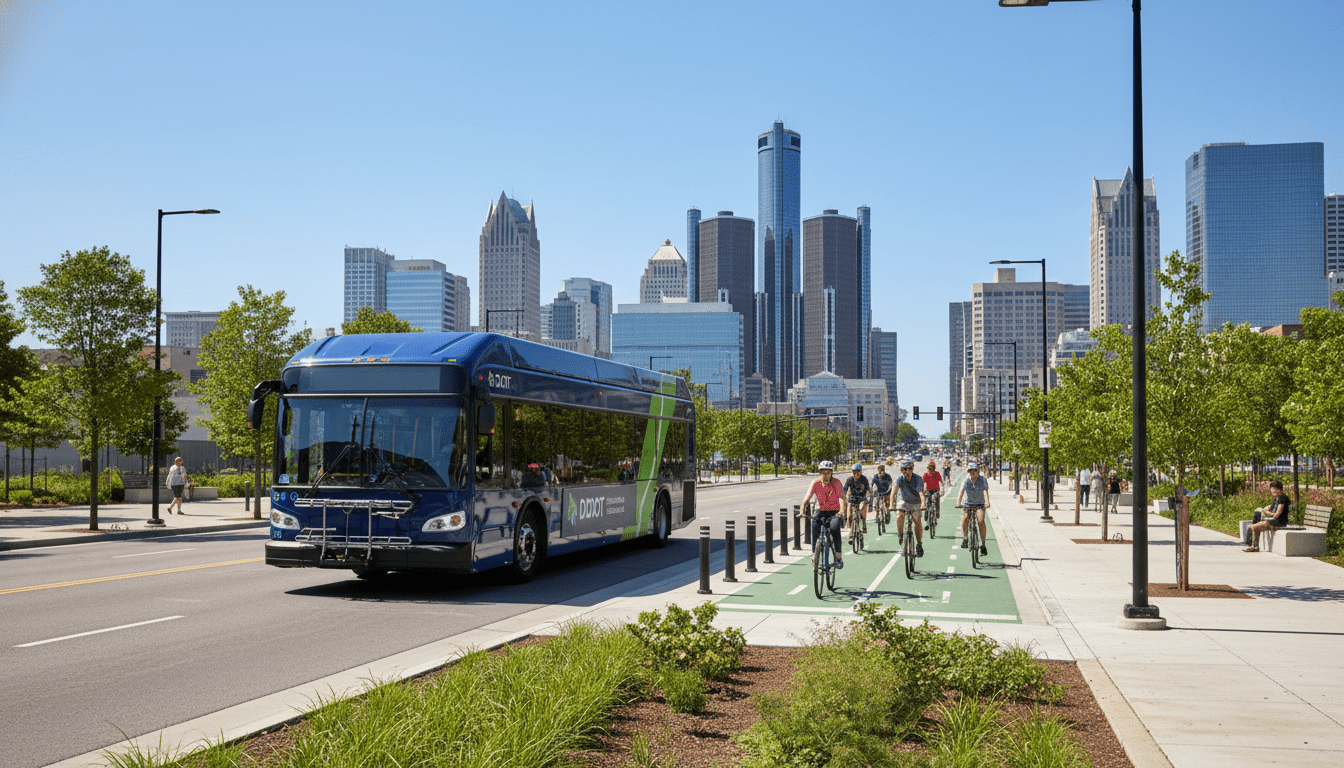
While high-tech roads grab headlines, the backbone of Detroit sustainable transportation remains the bus system. The Detroit Department of Transportation (DDOT) has been executing its “DDOT Reimagined” plan, which aims to increase frequency and reliability for riders.
Local advocacy groups have long stressed that sustainability includes social equity. Reliable public transit reduces the number of single-occupancy vehicles on the road, thereby lowering carbon emissions. Current initiatives include the gradual electrification of the DDOT fleet. The city has committed to replacing aging diesel buses with zero-emission electric buses, utilizing federal grants to support this transition.
“To truly lower our carbon footprint, we need a transit system that people choose to use because it is efficient,” said a representative from the Detroit Greenways Coalition. “It’s about connecting neighborhoods to job centers without requiring a car.”
Impact on Detroit Residents
For the average Detroiter, these high-level infrastructure changes promise tangible benefits, though challenges remain. The expansion of the Joe Louis Greenway—a 27.5-mile planned loop of trail—provides a safe, non-motorized route for commuting and recreation. Once complete, it will connect 23 different neighborhoods, allowing residents to bike or walk to work safely.
This shift impacts daily life in several ways:
- Cost Savings: Improved public transit and walkable neighborhoods reduce the financial burden of car ownership and maintenance.
- Health: Reduced emissions from diesel buses and increased opportunities for active transport (biking/walking) contribute to better air quality and public health outcomes.
- Access: The focus on connecting the neighborhoods to downtown resources aims to bridge the gap for residents without personal vehicles.
Background & Data
Data from the Southeast Michigan Council of Governments (SEMCOG) highlights the urgency of these initiatives. Transportation remains a leading source of greenhouse gas emissions in the region. Furthermore, U.S. Census Bureau data indicates that a significant percentage of Detroit households do not have access to a reliable personal vehicle, making public transit a necessity rather than a luxury.
State-level support backs these local efforts. The Michigan Office of Future Mobility and Electrification has provided grants and strategic support to ensure Detroit remains the epicenter of mobility innovation, not just for manufacturing cars, but for utilizing them sustainably.
What Happens Next
Looking ahead, residents can expect to see construction continuing on the Joe Louis Greenway and further implementation of the inductive charging pilots. City planners are also reviewing feasibility studies for dedicated bus rapid transit (BRT) lanes on major corridors like Woodward and Gratiot avenues.
As these Detroit sustainable transportation projects move from planning to execution, the city will likely face logistical hurdles, including funding continuity and construction-related traffic disruptions. However, the trajectory is clear: Detroit is evolving from a city built for cars into a city built for movement.