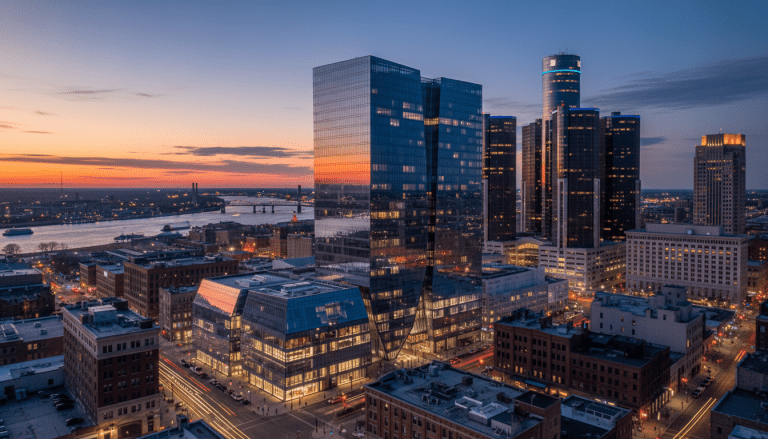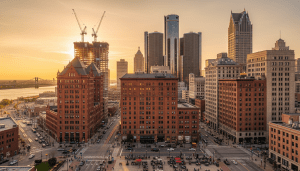

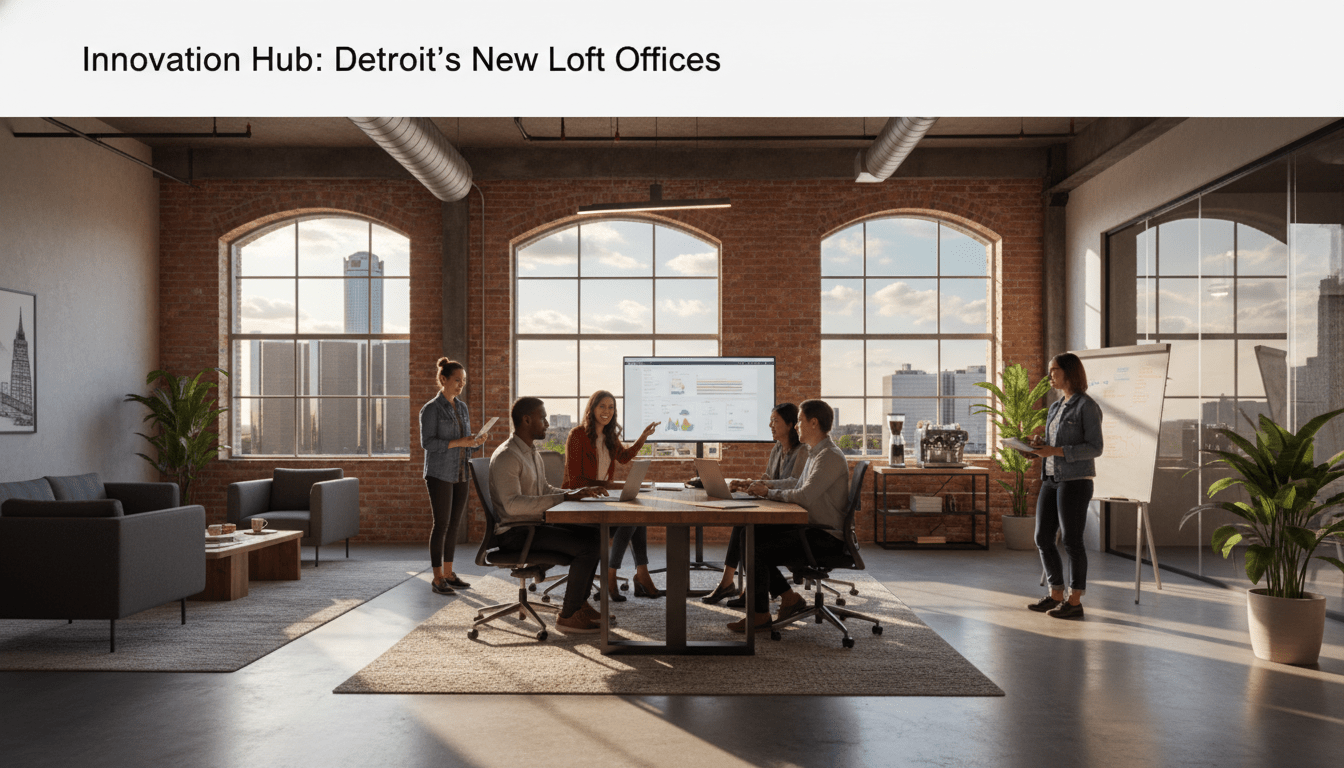
For decades, Detroit’s narrative was singular: the automotive capital of the world. However, as the global economy shifts toward electrification, artificial intelligence, and remote connectivity, the city has launched an aggressive, multi-pronged strategy to reshape its workforce. Detroit talent attraction is no longer just about filling assembly line shifts; it is about convincing software engineers, urban planners, and creative entrepreneurs that the Midwest offers a quality of life that coastal hubs cannot match.
The effort is bearing fruit, fueled by a combination of corporate investment, cost-of-living advantages, and targeted retention campaigns. Organizations like the Detroit Regional Chamber and major players like Ford Motor Company are betting heavily that physical infrastructure—like the newly revitalized Michigan Central Station—can serve as magnets for human capital.
The Shift to a Mobility and Tech Hub
The centerpiece of the current Detroit talent attraction strategy is the pivot from traditional manufacturing to mobility technology. The distinct difference lies in the skills required. According to the Detroit Regional Chamber, the demand for computer science and engineering roles in Southeast Michigan has outpaced general labor demand significantly over the last five years.
Initiatives such as “Let’s Detroit,” a retention strategy aimed at keeping college graduates in the region, highlight the social and cultural vibrancy of the city. By utilizing a network of “ambassadors,” the program connects prospective residents with locals to navigate neighborhoods and social scenes, lowering the barrier to entry for newcomers.
Furthermore, the opening of the Michigan Central innovation district has provided a tangible symbol of this new era. Ford’s investment is not merely real estate; it is a calculated move to create a campus environment similar to Silicon Valley, but rooted in Detroit’s architectural heritage. This district alone is projected to host thousands of mobility-focused workers, creating a dense ecosystem of startups and established tech firms.
Detroit Talent Attraction vs. Cost of Living
One of the strongest levers Detroit pulls in the war for talent is affordability. As housing markets in New York, San Francisco, and even Austin become increasingly prohibitive, Detroit presents a compelling economic case. Data from national real estate indexes consistently places Detroit well below the national average for cost of living, specifically regarding home ownership.
“The ability to own a home and have disposable income is a massive draw for millennials and Gen Z workers who feel priced out of other major metros,” said a representative from a local workforce development agency. “We are seeing an influx of remote workers who bring their jobs with them, choosing Detroit for the lifestyle and the culture.”
However, attracting remote workers requires robust infrastructure. The city has seen increased investment in high-speed internet accessibility and co-working spaces, ensuring that the digital nomads contributing to the local tax base have the tools required to remain here.
Impact on Detroit Residents and Neighborhoods
While importing talent is crucial for tax revenue and business growth, a sustainable Detroit talent attraction strategy must also elevate current residents. There is a valid concern among community leaders regarding gentrification and the potential for a “two-Detroit” economy—one for incoming tech workers and another for long-time residents.
To combat this, the City of Detroit has doubled down on programs like “Detroit at Work.” This initiative focuses on upskilling locals to ensure they are eligible for the new jobs being created. By partnering with unions and educational institutions, the city aims to create a pipeline where Detroiters are the first choice for employers.
According to data from the U.S. Bureau of Labor Statistics, unemployment rates in the Detroit-Warren-Dearborn area have shown fluctuations consistent with national trends, but the participation rate in specialized tech sectors is slowly rising among locals. The goal is to ensure that when a global tech firm opens an office in Midtown, the workforce is drawn from city neighborhoods as well as the suburbs.
Challenges in Retention and Education
Despite the successes, challenges remain. Retention involves more than just a job offer; it requires a functioning school system, reliable public transportation, and safety. Business leaders often cite the regional transit disconnect as a hurdle for Detroit talent attraction. Without a comprehensive regional transit system, the talent pool remains somewhat fragmented, limiting the range from which downtown businesses can easily draw workers without relying on car ownership.
Additionally, keeping university graduates in the state is an ongoing battle. Michigan produces a high volume of engineers and business graduates from top-tier universities. Historically, a significant percentage migrated to Chicago or the West Coast immediately upon graduation. Reversing this “brain drain” is the primary metric of success for initiatives like the Michigan Global Talent Attraction program.
Future Outlook for the Detroit Workforce
Looking ahead to the remainder of the decade, Detroit is positioned to capitalize on the “reshoring” of manufacturing and the integration of AI in industrial processes. The definition of a “Detroit job” is evolving. It is becoming increasingly hybrid, blending industrial expertise with digital fluency.
For the local economy, the continued success of these attraction efforts means a broader tax base, which funds better city services. For potential movers, Detroit offers a chance to be part of a renaissance that is authentic and gritty, rather than polished and priced-out. As noted in recent Detroit development reports, the trajectory suggests that the city is no longer begging for attention, but earning it through innovation and resilience.