
By Sarah Jenkins
Published: October 24, 2025
Location: Detroit, Michigan
Detroit Tech Scene Evolving: Innovation Hubs and Startups Drive Economic Shift
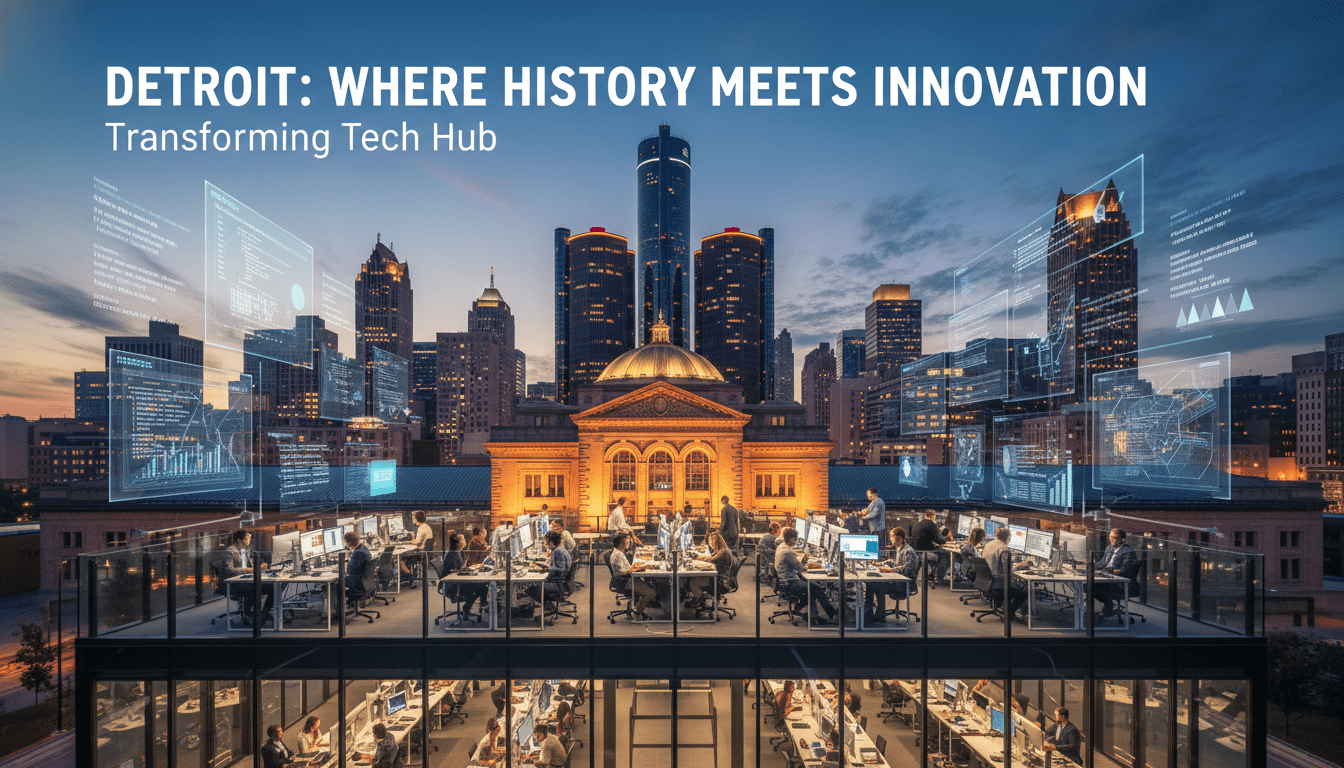
For decades, Detroit was synonymous solely with automotive manufacturing. Today, the Detroit tech scene is redefining that narrative, leveraging the city’s engineering heritage to build a burgeoning ecosystem of mobility startups, fintech firms, and green energy innovators. With the recent activation of the Michigan Central innovation district and increasing venture capital interest, Detroit is positioning itself as a legitimate competitor to coastal tech hubs, albeit with a uniquely gritty, industrial edge.
The Mobility Pivot and Michigan Central
The centerpiece of this transformation is undoubtedly the reopening of Michigan Central Station in Corktown. Ford Motor Company’s massive investment has turned the historic landmark into a 30-acre mobility innovation district. According to statements from Michigan Central leadership, the district is designed to attract companies working on aerial mobility, energy solutions, and autonomous technologies.
“This isn’t just about preserving history; it is about securing Detroit’s future in the global economy,” said city officials during a recent press briefing on economic development. The district has already begun drawing startups that require the intersection of software and hardware—a niche where the Detroit tech scene excels compared to Silicon Valley’s software-heavy focus.
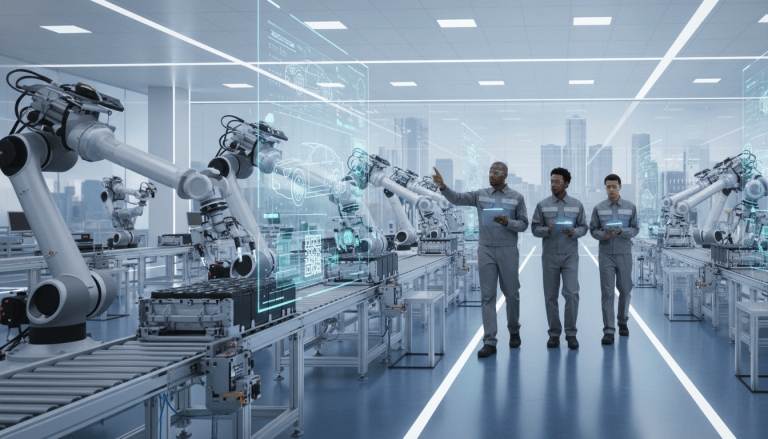
Local industry analysts note that the convergence of legacy automakers and agile startups is creating a “flywheel effect.” As traditional manufacturers seek to electrify their fleets, they are increasingly partnering with or acquiring local tech firms, keeping talent and capital within Southeast Michigan.
Venture Capital and Startup Growth
While Detroit may not yet rival Austin or Boston in total deal volume, the trajectory is upward. Data from regional economic reports indicates a steady increase in pre-seed and seed-stage funding for Detroit-based companies over the last three years. Organizations like Detroit Venture Partners and Renaissance Venture Capital have been instrumental in bridging the gap between coastal investors and Midwest talent.
The sectors driving this growth extend beyond cars. Fintech, fueled by mortgage giants based in the metro area, and clean-tech are seeing significant activity. Local business leaders have pointed out that the cost of living and operating in Detroit remains a competitive advantage, allowing startups to extend their runway longer than their counterparts in San Francisco or New York.
Impact on Detroit Residents
A critical question regarding the booming Detroit tech scene is how it benefits long-term residents. City officials and community organizations are prioritizing workforce development to ensure the digital divide does not widen. Initiatives like the Apple Developer Academy, a partnership with Michigan State University, are offering free coding and design education to Detroit residents.
“The goal is to ensure that the jobs of the future are accessible to the people living in our neighborhoods today,” stated a representative from the Detroit Employment Solutions Corporation. These programs are designed to create pathways for Detroiters to enter high-paying technical roles without necessarily requiring a four-year degree.
However, challenges remain. Housing prices in neighborhoods adjacent to tech hubs like Corktown and Midtown have risen, sparking concerns about gentrification. The city has responded with affordable housing mandates for new developments, but community advocates argue that monitoring these commitments is essential as the tech sector expands.
Background & Data
According to recent reports on the Michigan technology ecosystem, the state has seen a 14% growth in tech job postings year-over-year, with Detroit acting as the primary anchor. The ecosystem is supported by a strong pipeline of talent from the University of Michigan and Wayne State University.
- Mobility Leadership: Detroit remains the densest cluster of engineering talent in the U.S.
- Startup Density: The number of active startups in the downtown core has doubled since 2018.
- Diversity in Tech: Detroit’s tech ecosystem ranks higher than the national average for Black and women founders, though funding disparities persist.
What Happens Next
Looking ahead to 2026, the Detroit tech scene is expected to face a stress test regarding talent retention. As companies scale, the demand for senior-level technical management will increase. To sustain momentum, the city must not only attract entry-level engineers but also experienced executives willing to relocate.
Furthermore, continued infrastructure improvements—specifically public transit—will be vital. For a mobility hub, Detroit’s lack of regional transit remains a friction point for attracting younger workers who prefer car-free lifestyles. Read more about Detroit’s transportation planning in our previous coverage.
The consensus among stakeholders is cautiously optimistic: Detroit has built the foundation. Now, the focus shifts to scaling these startups into sustainable, major employers.