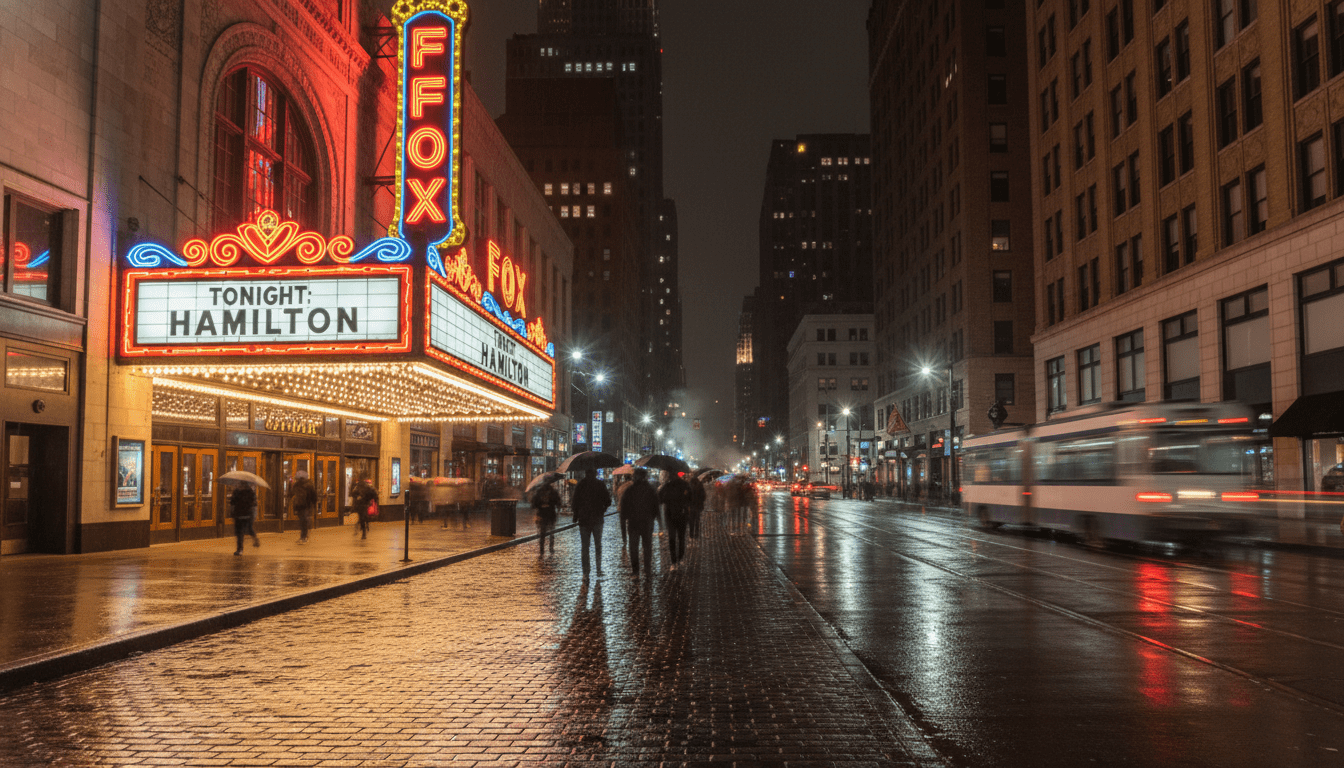
The marquees along Woodward Avenue and the boulevards of New Center are glowing brighter than they have in decades. While the national narrative often focuses on Detroit’s automotive roots, a quiet but powerful engine has been driving cultural tourism and local engagement: the Detroit theatre scene. From the historic grandeur of the Fox Theatre to the intimate, cutting-edge stages in Midtown, the performing arts sector is proving to be a cornerstone of the city’s revitalization efforts.
As the 2024-2025 season gains momentum, local stakeholders and arts administrators report a surge in attendance that rivals pre-pandemic levels. This resurgence is not merely about entertainment; it represents a critical component of the local economy, influencing everything from dining revenue to parking infrastructure.
The Anchors: Historic Venues Driving Tourism
At the heart of the Detroit theatre scene are the historic heavyweights that attract major touring productions. The Fisher Theatre, often referred to as Detroit’s Broadway home, continues to serve as a primary draw for suburban visitors and tourists alike. According to data from Broadway in Detroit, the organization responsible for bringing shows to the Fisher, the Detroit Opera House, and the Music Hall, subscription numbers remain robust, indicating a sustained appetite for high-caliber productions.
“The theatre district is more than just a place to see a show; it is a destination,” said a representative from a local business association in a recent press briefing. “When a major production like Hamilton or The Lion King comes to town, we see a ripple effect across the entire downtown corridor. Restaurants fill up, hotels see increased bookings, and the foot traffic creates a sense of safety and vibrancy.”
The Detroit Opera House, another pillar of the community, has expanded its repertoire beyond classical opera to include dance, concerts, and multimedia events. This diversification strategy has been crucial in attracting younger demographics who might not traditionally engage with the performing arts.
Midtown and the Rise of Professional Non-Profit Theatre
While the touring houses bring the spectacle, the soul of the Detroit theatre scene is often found in its professional non-profit companies. A prime example is the Detroit Public Theatre (DPT). Having recently established a permanent home in Midtown, DPT has shifted the landscape by producing world-class plays with local talent, proving that Detroit is a producer of culture, not just a consumer of it.
According to reports from the Michigan Economic Development Corporation, the creative industries contribute billions to the state’s economy. In Detroit, smaller venues like the Matrix Theatre Company and the Planet Ant Theatre in nearby Hamtramck (which feeds into the local talent pool) provide essential platforms for new voices. These organizations often tackle social issues relevant to Detroiters, ranging from gentrification to historical racial dynamics, making the work deeply resonant with local audiences.
Economic Impact on Detroit Residents
The flourishing theatre district offers tangible benefits to the residents of Detroit, extending beyond the cultural value. The operations of these large facilities require a significant workforce. This includes union stagehands, ushers, box office staff, security personnel, and facilities managers.
Furthermore, the hospitality sector relies heavily on the theatre calendar. When thousands of patrons flood the city for a show, local eateries and bars reap the rewards. For residents interested in Food & Drink in Detroit, the theatre crowd often dictates the busiest nights for service industry workers, translating to higher tips and more consistent shifts.
However, challenges remain. Accessibility is a frequent topic of conversation among arts advocates. Ensuring that ticket prices remain affordable for long-time Detroit residents, rather than catering exclusively to affluent suburbanites, is a priority for organizations receiving public grant funding. Many venues have implemented “pay-what-you-can” nights or community ticket distribution programs to bridge this gap.
Educational Outreach and Future Talent
A vital, often overlooked aspect of the Detroit theatre scene is its commitment to education. The Mosaic Youth Theatre of Detroit has gained national recognition for its work in training young actors and singers. By providing professional-level training to Detroit teens, the organization ensures a pipeline of talent that keeps the local arts community authentic and grounded.
According to the City of Detroit’s Department of Arts, Culture, and Entrepreneurship (Detroit ACE), investing in youth arts programs is a strategy for long-term community health. Students involved in the arts are statistically more likely to graduate and engage in civic activities. The collaboration between schools and professional theatres allows students to see the arts as a viable career path, right here in their hometown.
Challenges and Infrastructure
Despite the optimism, the district faces logistical hurdles. Parking and transportation remain points of contention. As reported in our coverage of Detroit City developments, the influx of visitors can strain the current parking availability in the Theatre District, leading to congestion on show nights.
Local urban planners are currently reviewing the flow of traffic around Grand Circus Park and the Fisher Building to better accommodate the high volume of theatre-goers. Improved lighting and pedestrian pathways are also on the agenda to enhance the “last mile” experience for attendees walking from garages to venues.
What Happens Next?
Looking ahead, the Detroit theatre scene shows no signs of slowing down. Developers are increasingly eyeing historic properties for renovation into performance spaces, hoping to replicate the success of recent revitalizations. There is also a growing push to better integrate the theatre district with the burgeoning sports district, creating a seamless entertainment zone that spans from the riverfront to New Center.
For Detroiters, the message is clear: the lights are on, the curtains are up, and the world is watching. As the city continues to evolve, its stages remain a platform where the story of Detroit is told, night after night.