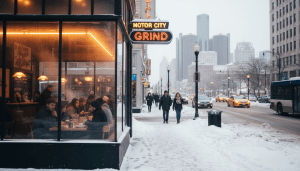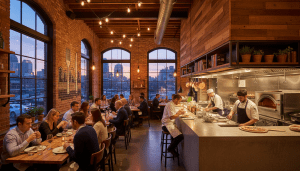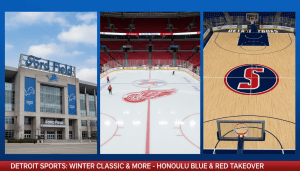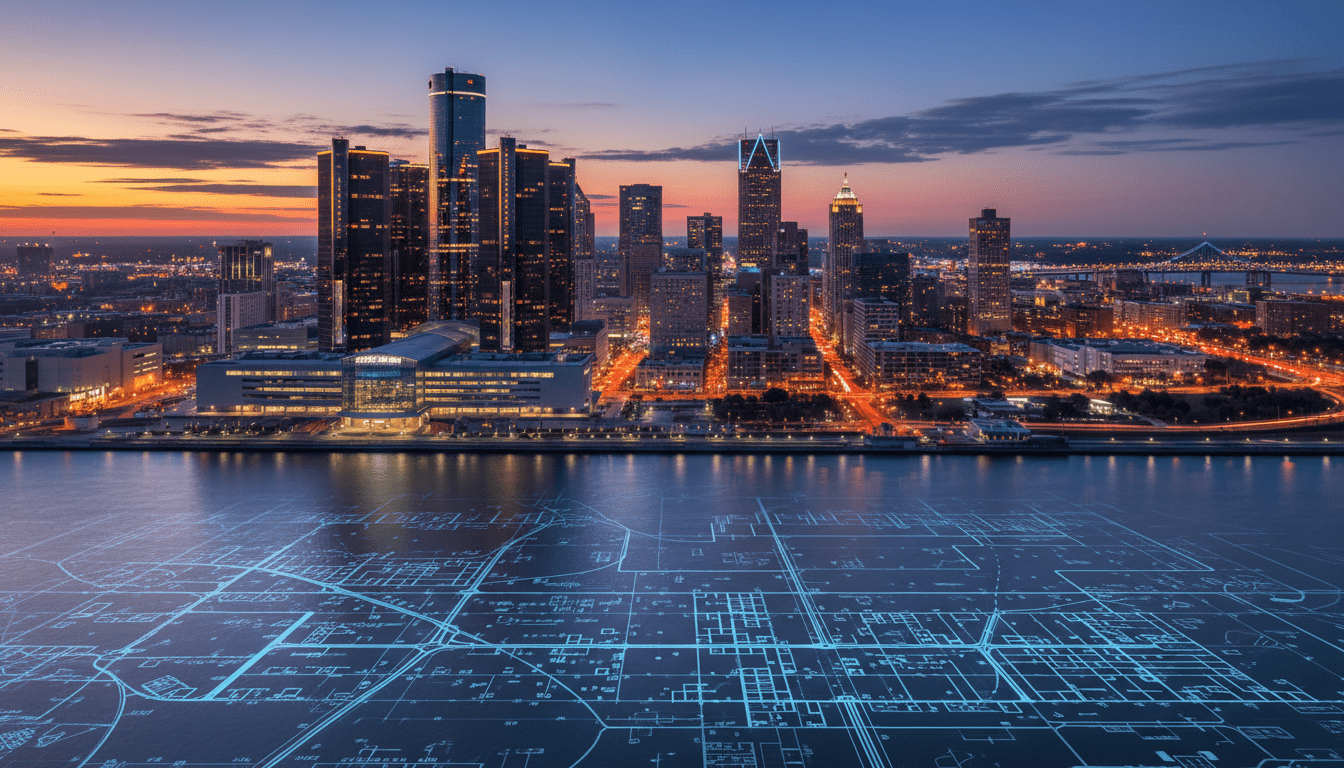
Following the record-breaking success of the 2024 NFL Draft, which brought an estimated 775,000 visitors to the city, Detroit officials and economic developers are shifting their focus from hosting singular mega-events to establishing a sustainable, long-term visitor economy. The shift marks a significant evolution in Detroit tourism planning, moving toward a strategy that prioritizes year-round convention business, hotel infrastructure expansion, and deeper integration of local neighborhoods into the visitor experience.
While the visual spectacle of the Draft provided a global commercial for the Motor City, the real work, according to local stakeholders, lies in capitalizing on that momentum to secure a steady stream of business and leisure travelers for the next decade.
Strategic Shift in Tourism Planning
Visit Detroit and the Detroit Regional Partnership have indicated that the city is currently in a critical window of opportunity. The primary goal of the updated tourism strategy is to transform Detroit from a regional destination into a national and international competitor for major conventions and trade shows.
“The perception of Detroit has fundamentally changed,” said Claude Molinari, President and CEO of Visit Detroit, in recent public statements regarding the city’s trajectory. “Our focus now is ensuring the infrastructure matches the demand we are generating.”
A central pillar of this new phase of Detroit tourism planning is the expansion and connectivity of the city’s hospitality assets. Currently, the city is addressing a “hotel room gap.” While downtown occupancy rates have surged, meeting planners often cite the need for more connected hotel inventory directly adjacent to Huntington Place to compete with cities like Indianapolis or Chicago.
According to data from the Downtown Detroit Partnership (DDP), several hotel projects are currently in the pipeline, including the redevelopment of the former TCF Center site and new boutique offerings in Corktown and Midtown. These developments are not merely construction projects; they are calculated moves designed to increase the city’s “room block” capacity for large-scale associations.
Connecting Neighborhoods to the Visitor Economy
Historically, tourism in Detroit has been heavily concentrated within the central business district. A key differentiator in the current planning models is the emphasis on dispersing economic impact to surrounding neighborhoods.
City planners and the Michigan Economic Development Corporation (MEDC) are working to leverage cultural assets outside the 7.2 square miles of downtown. This includes promoting the Avenue of Fashion, Southwest Detroit’s Mexicantown, and the Villages. The strategy involves improving transportation links and signage to encourage convention-goers to explore locally-owned businesses beyond the immediate vicinity of their hotels.
Transportation infrastructure plays a vital role here. The development of the Joe Louis Greenway and the eventual expansion of transit options are viewed not just as resident amenities, but as tourism assets that make the city more navigable for visitors without cars.
Impact on Detroit Residents
For native Detroiters, the intensification of tourism planning brings both opportunities and challenges. The immediate benefit is job creation in the hospitality sector, which tends to offer accessible entry-level positions as well as management career paths. According to recent workforce reports, the hospitality industry remains one of the largest private-sector employers in the region.
“When we talk about tourism, we are talking about small business survival,” noted a representative from the Detroit Restaurant & Lodging Association. “Visitors from conventions keep the lights on for restaurants on Tuesday and Wednesday nights, not just weekends.”
However, residents have also expressed concerns regarding the pace of development. Issues such as parking scarcity during major events and the potential for price increases in entertainment districts are being monitored. Effective Detroit tourism planning requires a balance, ensuring that amenities built for visitors—such as the expanded Riverwalk and improved streetscapes—primarily serve the locals who use them every day.
The city aims to mitigate negative impacts by ensuring that tax revenue generated from the hotel tax helps fund public services that benefit neighborhoods, maintaining a cycle where the visitor economy subsidizes local infrastructure.
Economic Data and Projections
The economic stakes are high. In 2023, visitor spending in the Southeast Michigan region approached pre-pandemic levels, contributing billions to the local economy. The strategic target is to exceed 2019 numbers by 2025, adjusting for inflation.
- Convention Sales: Visit Detroit has reported a significant uptick in leads for future years, directly correlated to the media exposure from recent sports events.
- Airport Traffic: Detroit Metropolitan Airport (DTW) has seen passenger volumes stabilize, supporting the viability of new international routes that connect Detroit to European and Asian markets.
- Hotel Occupancy: Average daily rates (ADR) in downtown Detroit have reached new highs, signaling strong demand that justifies further real estate investment.
What Happens Next?
Looking ahead, the city is preparing bids for the NCAA Men’s Final Four and other global events. However, the true measure of success for this era of Detroit tourism planning will not be the single weekends of fanfare, but the consistent, Monday-through-Thursday occupancy of hotels and conference rooms.
The synergy between the City of Detroit, private developers, and tourism bureaus suggests a unified front. By focusing on infrastructure, neighborhood connectivity, and sustainable growth, Detroit is positioning itself to be a premier destination not just for sports fans, but for the global business community.