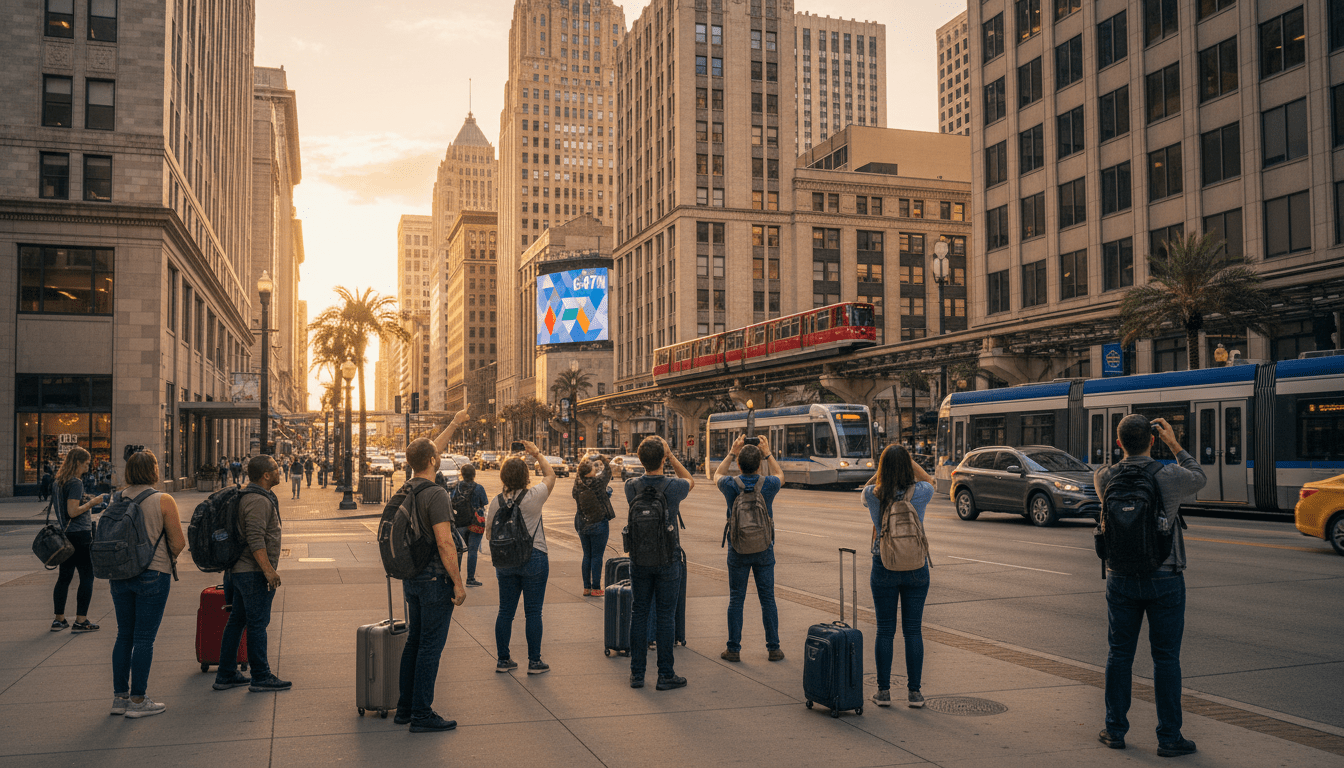
Interest in the Motor City is reaching new heights, with search engine data and industry reports indicating a sharp rise in Detroit travel planning activity across the United States and internationally. As the city continues its post-bankruptcy resurgence and capitalizes on high-profile events, the hospitality sector is witnessing a transformation that goes beyond mere seasonal spikes.
According to recent figures from Visit Detroit, the region’s convention and visitors bureau, the tourism economy is not just recovering; it is evolving. The influx of visitors is driving demand for new hotel inventory, restaurant reservations, and cultural experiences, marking a significant shift in how the city is perceived by outsiders.
The Data Behind the Interest
Data provided by Visit Detroit suggests that the economic impact of tourism in the tri-county area has exceeded pre-pandemic levels. In 2023 alone, visitor spending contributed billions to the local economy, a trend that analysts project will continue through the end of 2024 and into 2025.
Search volume analysis reveals that keywords related to "Detroit travel planning," "downtown Detroit hotels," and "Detroit weekend itinerary" have seen double-digit percentage growth year-over-year. This digital footprint correlates with physical foot traffic.
Claude Molinari, President and CEO of Visit Detroit, has previously noted that the city’s ability to host major events—such as the massive NFL Draft crowds witnessed earlier in 2024—has fundamentally altered the national narrative. The success of these large-scale gatherings serves as a marketing engine, prompting individual travelers to research the city for leisure trips.
Drivers of the Tourism Boom
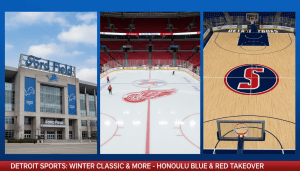
Several key factors are driving this renewed enthusiasm for Detroit travel planning. The reopening of Michigan Central Station in Corktown has served as a massive draw, acting as a symbol of the city’s architectural renaissance. Furthermore, the sustained success of the Detroit Lions has turned Ford Field into a pilgrimage site for sports fans, stimulating weekend travel packages.
The Detroit development pipeline is also playing a crucial role. The completion of the Hudson’s site skyscraper and the continuous improvements to the Detroit Riverfront—voted best in the nation multiple times by USA Today readers—provide tangible anchors for tourist itineraries.
According to the Detroit Regional Chamber, the perception of Detroit is shifting from a purely business-travel destination to a genuine leisure hotspot. Their reports indicate that "bleisure" travel—where business travelers extend their stay for personal enjoyment—is becoming a substantial component of the local hotel market.
Hotel Infrastructure struggling to Keep Up
With the surge in Detroit travel planning comes the logistical challenge of accommodation. During peak event weekends, downtown occupancy rates frequently hit near 100% capacity. This demand is spurring a wave of boutique and luxury hotel developments.
Local real estate analysts point to recent openings like The Godfrey Hotel in Corktown and the Cambria Hotel as evidence that investors are betting big on Detroit tourism. However, convention planners have noted that to compete with tier-one convention cities like Chicago or Indianapolis, Detroit still requires more connected hotel rooms specifically near Huntington Place.
Impact on Detroit Residents
While the influx of tourists brings money, it is vital to understand how this impacts the people who live here year-round. The direct benefit is evident in the hospitality labor market. Service industry jobs are seeing higher demand, offering employment opportunities for residents in Detroit neighborhoods beyond just the downtown core.
Local business owners in areas like Midtown and Eastern Market report that out-of-town foot traffic has become essential for survival, helping to buffer against the slow return of daily office workers. "Weekends are our lifeline right now," said one restaurant owner in the Cass Corridor. "We are seeing faces we’ve never seen before, people who flew in specifically to explore the food scene."
However, residents also face challenges associated with becoming a tourist destination. Increased traffic congestion during event weekends and rising parking costs are common complaints. Furthermore, as the short-term rental market (like Airbnb) expands to meet Detroit travel planning demand, housing advocates are monitoring potential impacts on long-term rental affordability for locals.
Strategic Outlook: What Happens Next?
The City of Detroit and regional partners are now focused on sustainability—ensuring that the tourism boom benefits the wider community. The Detroit Metro Convention & Visitors Bureau has emphasized a strategy that promotes neighborhood exploration, encouraging visitors to spend money in Black-owned businesses and cultural institutions like the Charles H. Wright Museum and the Motown Museum.
Looking ahead, the city is preparing for the NCAA Men’s Final Four in 2027, which will require even more precise infrastructure planning. The current surge in search traffic serves as a warning and an opportunity: the world is looking at Detroit, and the city must be ready to host them.
As the narrative shifts from recovery to growth, the data remains clear: Detroit is no longer just a place people fly over; it is a place people are actively planning to visit.