
By Sarah Jenkins
Published: October 24, 2025
Location: Detroit, Michigan
Beyond the Car: How New Urban Mobility Solutions Are Transforming Detroit
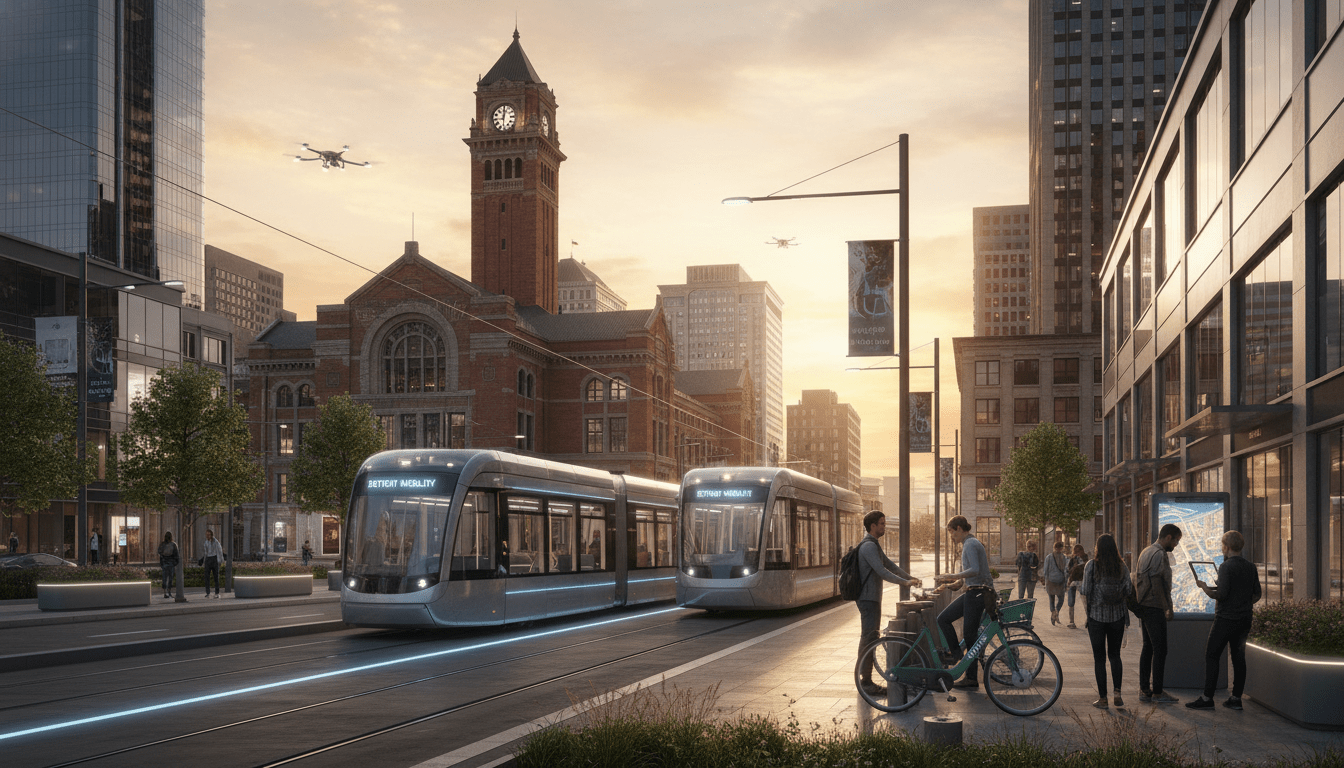
For over a century, Detroit has been synonymous with the personal automobile. It is the city that put the world on wheels. However, as the automotive landscape shifts toward electrification and autonomy, the Motor City is actively redefining itself as a global leader in diverse Detroit urban mobility solutions. From the revitalization of Michigan Central to the deployment of autonomous shuttles, the city is testing new ways to move people that go beyond traditional car ownership.
The Hub of Innovation: Michigan Central
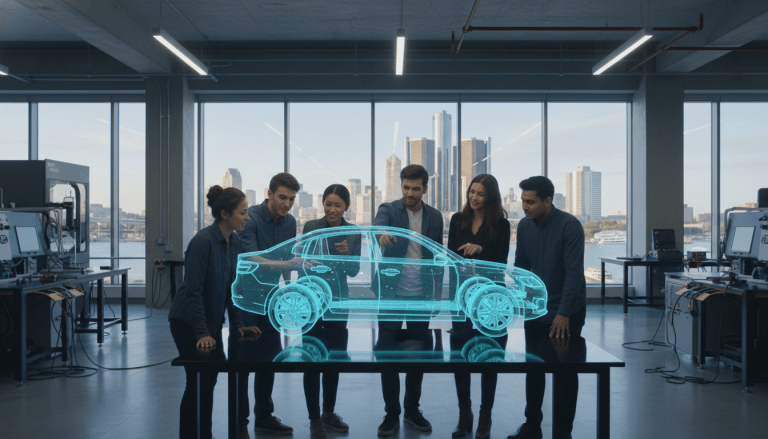
The centerpiece of this transformation is undoubtedly the Michigan Central innovation district in Corktown. Since Ford Motor Company acquired the historic train station, the area has morphed into a testing ground for real-world mobility technologies.
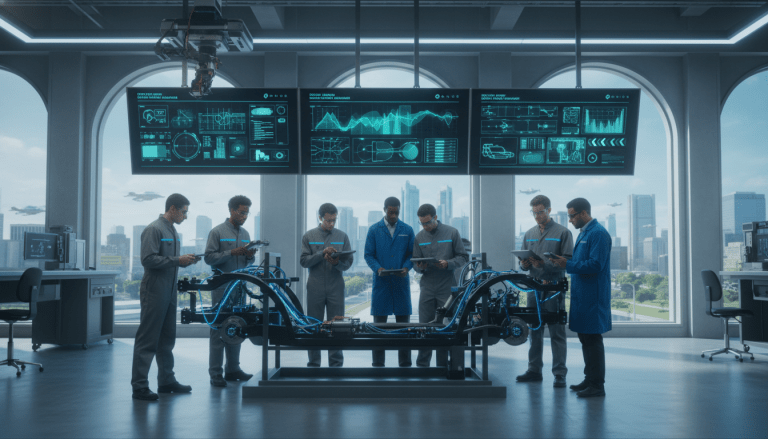
According to reports from Michigan Central, the district is currently hosting pilots for wireless electric vehicle charging roads and drone delivery systems. The goal is to create an ecosystem where startups and established automakers can collaborate on solving the “last mile” problem—a critical issue in urban planning where commuters struggle to get from a transit hub to their final destination.
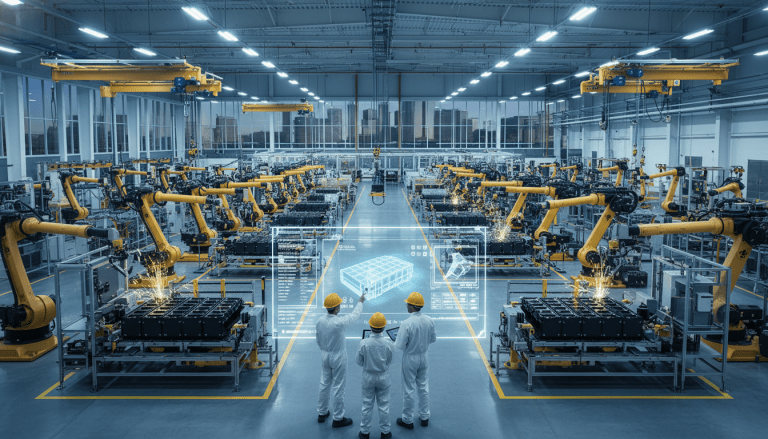
“We are not just building cars anymore; we are building a transportation ecosystem,” said a spokesperson for the mobility district during a recent press briefing. “Detroit is uniquely positioned to lead this charge because we have the manufacturing muscle and the infrastructure legacy to test these concepts at scale.”
The Rise of Autonomous Transit
One of the most visible changes in Detroit urban mobility is the introduction of the “Connect” autonomous shuttle service. This pilot program, supported by the City of Detroit and the Office of Future Mobility and Electrification, utilizes all-electric, autonomous shuttles to move residents between Corktown and Downtown Detroit.
Unlike theoretical models, these shuttles are on the road today, navigating mixed traffic. Data from the pilot suggests that residents are increasingly open to using autonomous public transit for short trips, reducing the need for parking in congested downtown areas. This initiative aligns with the city’s broader goal to reduce carbon emissions and ease traffic congestion during major events.
Connecting the Grid
Parallel to autonomous testing is the rapid expansion of EV infrastructure. DTE Energy and local officials have accelerated the installation of fast-charging stations across the city, ensuring that the shift to electric mobility is accessible not just to suburban commuters, but to Detroit residents as well.
Impact on Detroit Residents
While high-tech pilots grab headlines, the true measure of these mobility solutions is how they affect everyday Detroiters. Historically, Detroit has struggled with a fragmented public transit system, making job access difficult for the significant percentage of residents who do not own a car.
The integration of the QLine with regional transit authority planning and the expansion of the MoGo bike-share network are steps toward a more cohesive grid. According to the Southeast Michigan Council of Governments (SEMCOG), improving multimodal access is directly linked to economic mobility.
For local residents, these advancements promise:
- Reduced Commute Costs: Affordable alternatives to car ownership and insurance.
- Better Job Access: Connecting neighborhoods to employment hubs in Midtown and Downtown.
- Safer Streets: Smart traffic management systems designed to reduce accidents.
“It’s about equity as much as it is about technology,” said a representative from a local transit advocacy group. “If these high-tech shuttles don’t serve the neighborhoods that need them most, we haven’t solved the problem.”
Background & Data
The push for modern transportation is backed by significant investment. The State of Michigan has allocated millions in grants specifically for mobility testing zones. Furthermore, recent data from the U.S. Census Bureau indicates a slight shift in commuting patterns in urban centers, with a slow but steady increase in residents utilizing mixed modes of transport—walking, biking, and transit—combined with ride-sharing apps.
For more on how local businesses are adapting to these changes, read our coverage on Detroit’s evolving business landscape.
What Happens Next
As 2026 approaches, the focus will shift from pilot programs to permanent implementation. The City of Detroit is expected to review the long-term viability of the autonomous shuttle routes and consider expanding them to other neighborhoods outside the greater downtown area.
Additionally, discussions regarding the expansion of regional transit remains a hot topic in local politics. Whether the new tech-focused solutions can seamlessly integrate with the existing bus infrastructure (DDOT and SMART) will be the key determinant of success.
Detroit is no longer just the Motor City; it is becoming the Mobility City, proving that it can honor its heritage while driving the future.