For thousands of residents across the city, the monthly arrival of electricity, gas, and water bills has become a source of significant financial anxiety. Detroit utility costs have steadily climbed over the past decade, creating what experts call a disproportionate "energy burden" on local households compared to the national average. As inflation continues to impact the cost of groceries and housing, the rising price of keeping the lights on and the water running is becoming a central issue in Detroit’s economic landscape.
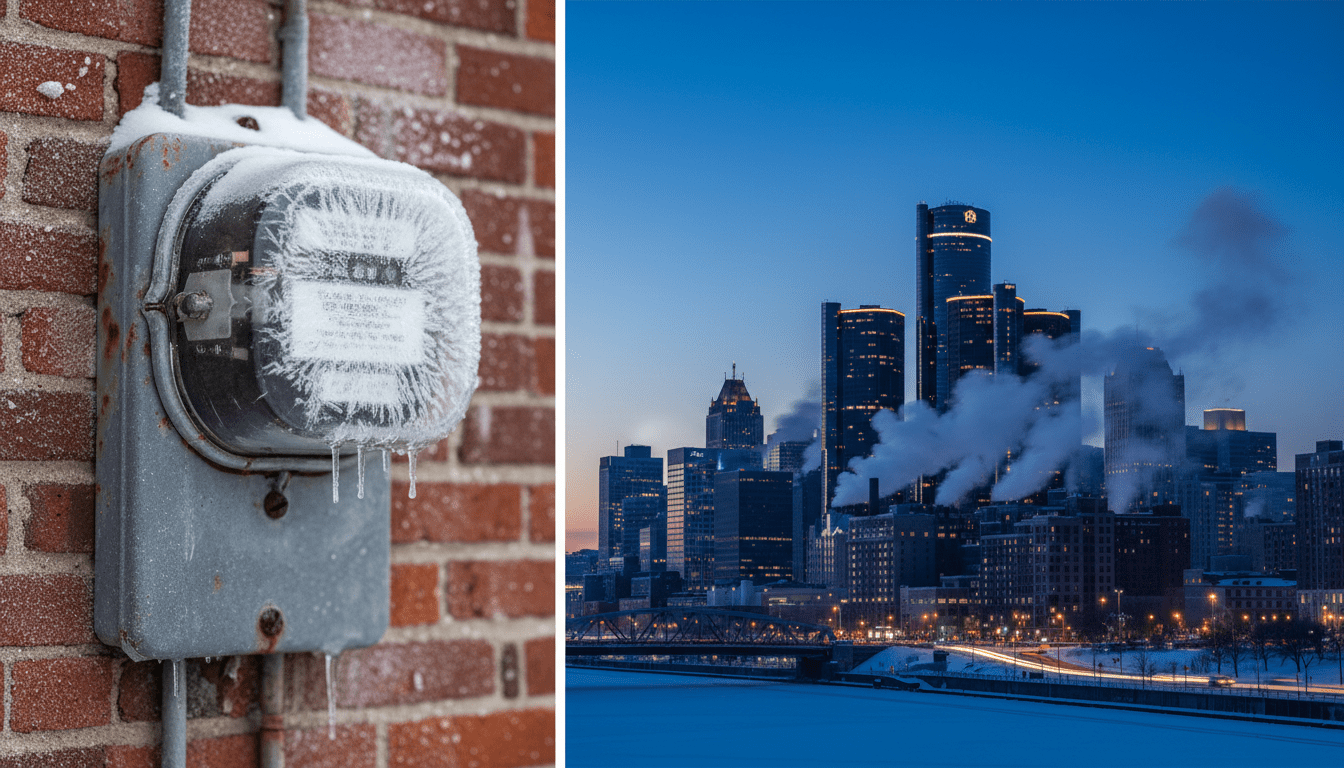
Recent data indicates that Detroiters spend a higher percentage of their income on utilities than residents in most other major U.S. cities. This trend is driven by a combination of rate increases approved by state regulators, an aging housing stock that lacks energy efficiency, and extreme weather patterns that demand more heating in winter and cooling in summer.
The Reality of the 'Energy Burden' in Detroit
The concept of "energy burden" refers to the percentage of gross household income spent on energy costs. According to research from the American Council for an Energy-Efficient Economy (ACEEE), Detroit consistently ranks among the top cities nationally for high energy burdens, particularly for low-income households and communities of color.
While the average U.S. household spends roughly 3% of their income on energy bills, many Detroit families are paying upwards of 10% to 15%. This disparity forces difficult choices. Local advocacy groups have long highlighted the "heat or eat" dilemma, where residents must choose between paying their utility providers or purchasing adequate food and medicine.
"The cost of basic services has outpaced wage growth for many of our residents," said a representative from a local housing advocacy coalition during a recent town hall. "When you combine high rates with drafty windows and old furnaces, you get a bill that is simply unpayable for a senior on a fixed income."
Electricity and Gas: The DTE Energy Landscape
A primary driver of the conversation surrounding Detroit utility costs is the rate structure managed by DTE Energy. As the primary provider of electricity and natural gas for the region, DTE frequently appears before the Michigan Public Service Commission (MPSC) to request rate adjustments.
DTE Energy has stated in regulatory filings that rate increases are necessary to fund critical infrastructure upgrades. The utility provider points to the need to modernize the grid, improve reliability against severe storms, and transition toward cleaner energy sources such as wind and solar. The company has invested billions in grid hardening to reduce the frequency and duration of power outages, a major pain point for Detroit residents.
However, these requests often face pushback from the Michigan Public Service Commission intervenors, including the Attorney General’s office and citizens' utility boards, who argue that the burden on residential ratepayers is already too high. In recent rulings, the MPSC has granted portions of requested hikes while slashing others, attempting to balance corporate solvency with consumer affordability.
Furthermore, the implementation of "Time of Day" rates has shifted how residents are billed, charging higher rates during peak usage hours (typically late afternoon and evening). While designed to reduce strain on the grid, this structure requires behavioral changes that can be difficult for large families or those working non-traditional hours to adopt.
Water Affordability and Infrastructure
Beyond energy, water and sewerage costs remain a critical component of the utility equation. The Detroit Water and Sewerage Department (DWSD) has made strides in recent years to address affordability, moving away from the aggressive shutoff policies that drew international criticism in the past.
The introduction of the "Lifeline Plan," an income-based water affordability program, has been a significant policy shift. This program aims to cap water bills at a fixed, manageable monthly rate for qualifying low-income residents, erasing past debt for those who remain enrolled and current on payments. Officials from the City of Detroit have touted the program as a model for the nation, aimed at ensuring that access to clean water is treated as a public health necessity rather than a luxury.
Despite these programs, the underlying cost of maintaining Detroit’s massive, aging water infrastructure requires revenue. Repairing collapsed sewer lines and upgrading water mains is expensive work, and these capital costs eventually filter down to the ratepayer base. For residents just above the qualification threshold for assistance, quarterly water bills can still present a sudden budget shock.
Impact on Housing and Neighborhoods
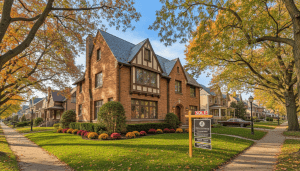
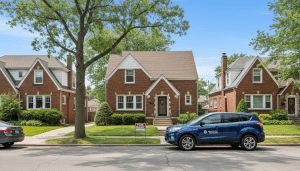
The issue of utility costs is inextricably linked to the state of Detroit neighborhood revitalization efforts. A significant portion of Detroit’s housing stock was built before 1950. These homes, while architecturally distinct, often suffer from poor insulation, single-pane windows, and inefficient HVAC systems.
This "efficiency gap" means that a Detroit resident living in an older single-family home often pays significantly more to heat the same square footage as a suburban resident in a newly constructed condo. University of Michigan researchers have noted that weatherization represents the most effective long-term solution to reducing the energy burden. However, the upfront cost of new windows or insulation is prohibitive for many homeowners and small-scale landlords.
Various non-profits and city initiatives utilize federal funds to provide free weatherization upgrades, but demand consistently outstrips supply, leading to long waiting lists.
Economic Implications for Local Businesses
It is not just residents feeling the pinch. Small business owners across the city report that fluctuating utility overheads make it difficult to forecast operational costs. Restaurants, which rely heavily on gas for cooking and electricity for refrigeration, are particularly vulnerable.
For economic development updates, keeping overhead low is vital to attracting new entrepreneurs to the city’s commercial corridors. If utility costs in Detroit are perceived as significantly higher than in neighboring municipalities, it could serve as a deterrent for business investment, complicating the city’s broader recovery goals.
What Happens Next?
Looking ahead, the debate over Detroit utility costs shows no signs of cooling down. The MPSC continues to hold public hearings regarding future integrated resource plans and rate cases. Activist groups are increasingly organized, attending these hearings to demand that reliability metrics be tied to any future rate increases.
Simultaneously, federal funding from recent infrastructure bills may provide some relief. Grants aimed at grid modernization and low-income home energy assistance (LIHEAP) are flowing into the state, though the speed at which these funds translate to lower monthly bills remains to be seen.
For the average Detroiter, the immediate future involves a careful balancing act—managing thermostat settings, applying for available assistance programs like the Home Heating Credit, and staying informed about regulatory changes that will impact their monthly budget.