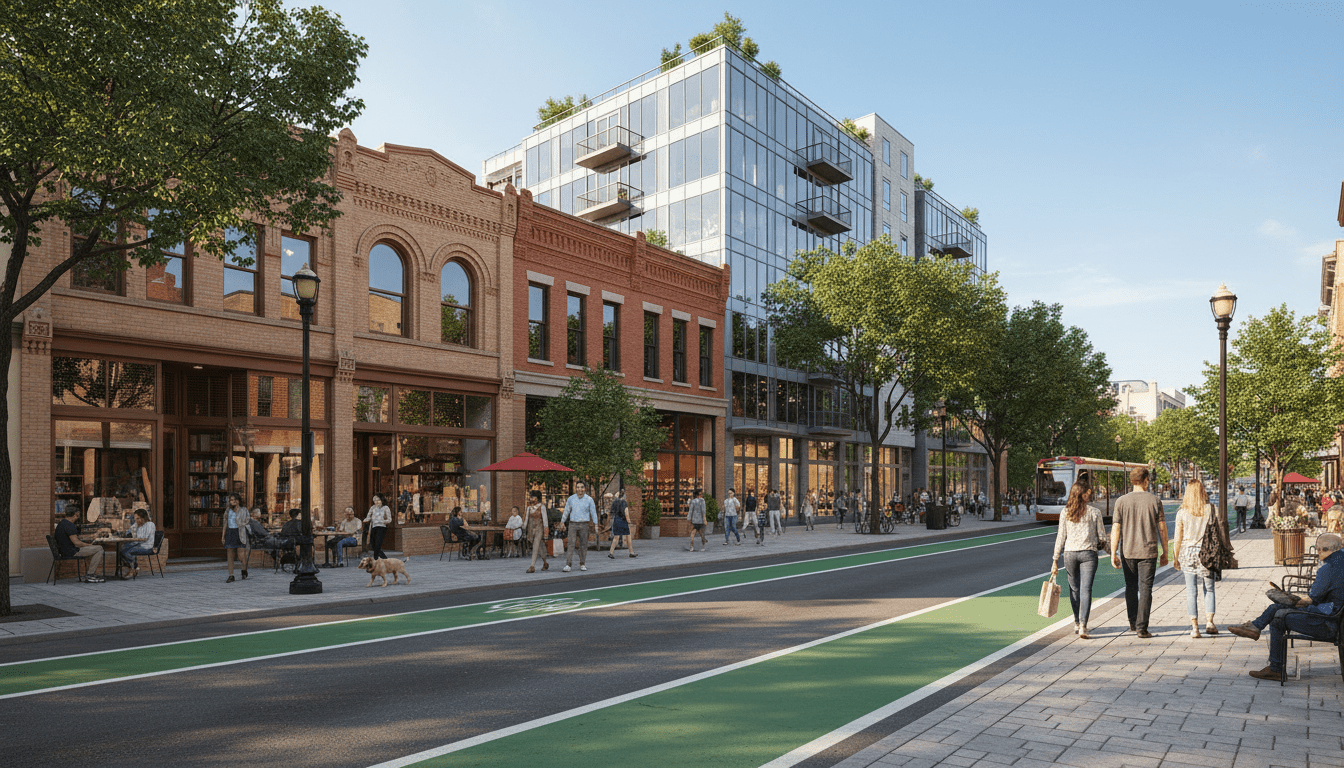
Detroit is currently in the midst of a significant transformation, not just in its skyline, but in the very rulebook that dictates how the city is built. The City of Detroit’s Planning and Development Department (PDD) has been spearheading a comprehensive review and rewrite of the city’s zoning ordinance, known as the ZoneDetroit initiative. These proposed changes to Detroit zoning laws represent the first complete overhaul of the city’s land use regulations in decades, shifting focus from an auto-centric past to a more walkable, mixed-use future.
For decades, developers and small business owners have navigated a labyrinth of regulations that were largely established in an era prioritizing suburban-style expansion and heavy automotive use. The current updates aim to simplify these codes, streamline approval processes, and encourage density in commercial corridors. According to city planners, the goal is to make it easier to reactivate vacant storefronts and construct diverse housing options across the city’s 139 square miles.
Modernizing an Outdated Framework
The existing zoning map of Detroit is often described by urban planners as a patchwork of outdated mandates. Many areas are currently zoned solely for single-family homes or heavy industrial use, leaving little flexibility for the “missing middle” housing—such as duplexes, fourplexes, and accessory dwelling units (ADUs)—that creates vibrant neighborhoods.
One of the most critical aspects of the new Detroit zoning laws is the reduction or elimination of parking minimums in designated zones. Historically, a new business opening in a neighborhood corridor was required to provide a specific number of off-street parking spots based on square footage. This requirement frequently stalled development, as small lots in historic areas like the Villages or Southwest Detroit simply did not have the space to accommodate parking lots.
“The old code forced a suburban model onto an urban grid,” said a representative from the Planning and Development Department during a recent community engagement session. “By adjusting these requirements, we lower the barrier to entry for local entrepreneurs who want to open a café or a retail shop in their own community.”
This shift aligns with broader current housing market trends seen in other Rust Belt cities attempting to leverage historic density for modern economic growth.
Impact on Detroit Residents
For the average Detroiter, these legal adjustments translate to tangible changes in neighborhood accessibility and housing affordability. The proposed zoning updates are designed to encourage mixed-use developments—buildings with retail on the ground floor and residential units above. This model is intended to increase the housing supply, potentially stabilizing rents in rapidly developing areas.
However, the changes also bring questions regarding neighborhood character. Residents in historic districts have expressed distinct concerns about density and the potential for new construction to clash with existing architecture. To address this, the city has incorporated design standards into the new zoning framework, aiming to ensure that new developments respect the visual fabric of established communities.
Furthermore, the legalization and regulation of ADUs—often called “granny flats” or carriage houses—offer homeowners a legal pathway to generate income or house multi-generational family members. Previously, regulatory hurdles made building ADUs difficult or illegal in many parts of the city. Under the revised Detroit zoning laws, this housing type is viewed as a strategy to increase density gently without altering the look of residential streets.
Background & Data
The need for reform is backed by data regarding land use efficiency. According to the City of Detroit, a significant percentage of commercially zoned land in the city is currently underutilized or vacant. The strict separation of uses in the old code made it difficult to repurpose these lots for modern needs.
The ZoneDetroit project follows years of study. In 2019, the city launched the “Pink Zoning” initiative in commercial corridors, which was a pilot program designed to cut red tape. The success of that pilot—which saw faster approval times for small businesses—laid the groundwork for the citywide overhaul now being finalized.
Data from the U.S. Census Bureau indicates that while Detroit’s population has stabilized, the household composition is changing, with more single-person households and smaller families. The rigid single-family zoning of the mid-20th century no longer matches the demographic reality of 2024. Urban planning experts argue that flexible zoning is essential for economic resilience.
Similar regulatory updates have facilitated major development projects in Midtown, where special zoning districts allowed for the density and walkability that has made the area one of the city’s most active economic hubs.
What Happens Next
The updated zoning ordinance is moving through the final stages of the legislative process. Following a series of public hearings and community feedback sessions, the finalized text will be presented to the Detroit City Council for a vote. If approved, the new code will replace the Chapter 61 Zoning Ordinance.
Implementation will likely be phased, with educational resources provided to property owners and developers to help them navigate the new system. For now, residents and business owners are encouraged to review the draft maps released by the city to understand how their specific parcels may be affected.
As Detroit continues to evolve, these legal frameworks will serve as the invisible architecture supporting the city’s next chapter of growth, determining everything from where groceries can open to where new neighbors can live.