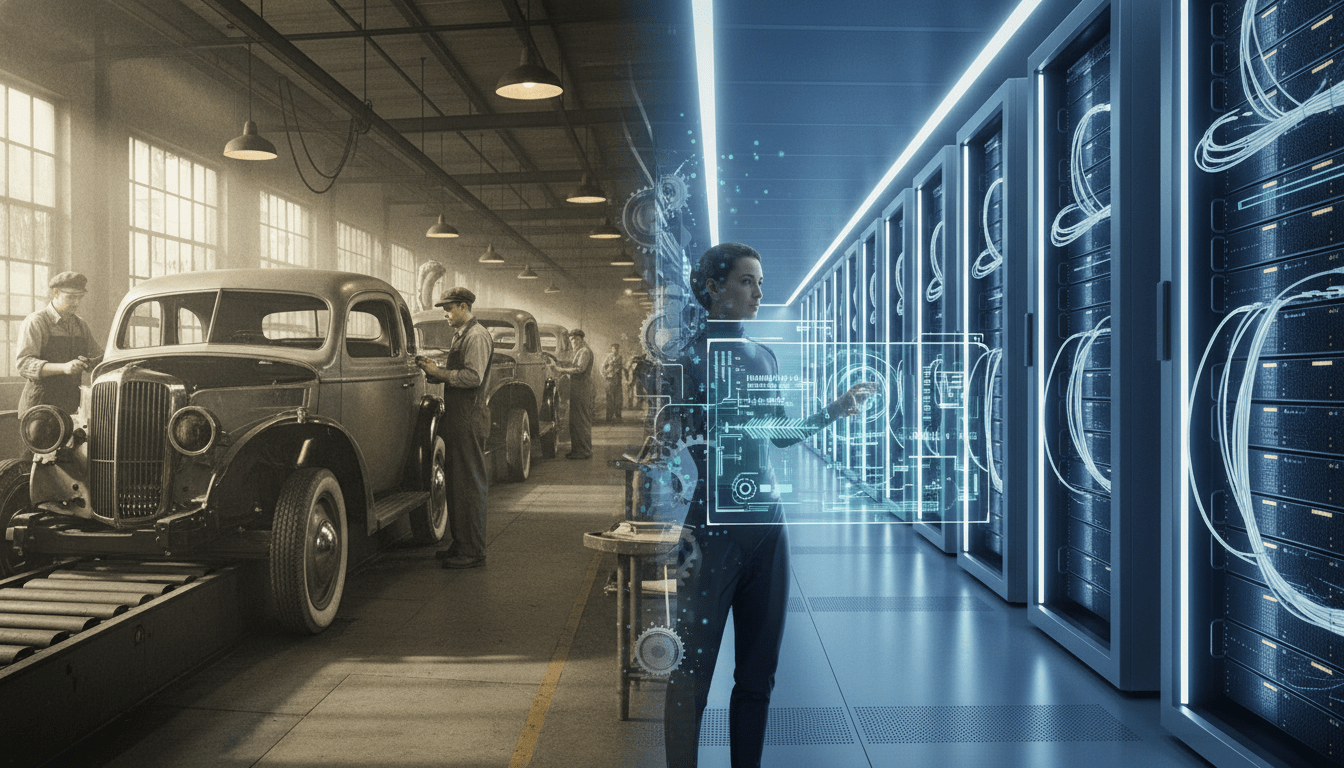
For decades, Michigan’s economic identity was forged in steel and assembly lines. Today, a quieter but equally powerful revolution is reshaping the state’s landscape: the rapid acceleration of digital transformation in Michigan. From the revitalization of Detroit’s Corktown district to the advanced manufacturing hubs in Oakland County, the state is aggressively pivoting from traditional manufacturing to a technology-driven economy rooted in Industry 4.0, artificial intelligence, and software integration.
This shift represents more than just a corporate strategy; it is a fundamental restructuring of how Detroit and the surrounding regions operate, work, and grow. As legacy automakers rebrand themselves as mobility technology companies and startups flock to the city’s incubators, the convergence of big data and heavy industry is creating a unique economic ecosystem that stands apart from Silicon Valley.
The Push for Industry 4.0
The catalyst for this change is the statewide push toward “Industry 4.0″—the integration of digital technologies into manufacturing and industrial practices. According to the Michigan Economic Development Corporation (MEDC), the state has prioritized keeping small and medium-sized manufacturers competitive by adopting automation, data exchange, and cloud computing.
“The goal is to ensure that Michigan remains the global epicenter of manufacturing, but that definition of manufacturing is changing,” stated officials from the MEDC in a recent strategic outlook report. The initiative aims to help 50% of Michigan manufacturers adopt Industry 4.0 technologies by 2025. This involves retrofitting factories with sensors that predict maintenance needs and utilizing digital twins to model production lines before physical prototypes are built.
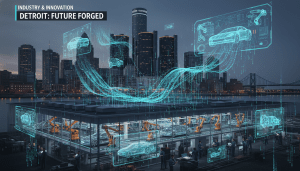
For Detroit, this means the factories that once defined the city’s skyline are becoming high-tech labs. The reopening of Michigan Central Station by Ford is a prime example. No longer a relic of the past, the station now serves as an innovation hub focused on mobility solutions, autonomous vehicles, and software development, symbolizing the broader digital transformation in Michigan.
Impact on Detroit Residents and Workforce
While corporate press releases tout efficiency and innovation, the critical question remains: How does this impact the people of Detroit? The digital shift is creating a significant demand for a new kind of workforce, altering the landscape of available jobs in the city.
Traditional assembly line roles are evolving into positions requiring digital literacy, coding skills, and robotics maintenance expertise. This transition presents both an opportunity and a challenge for local residents. Workforce development programs are scrambling to bridge the gap. Organizations like the Detroit at Work initiative and various local non-profits are increasingly focusing on digital upskilling to ensure that long-time Detroiters are not left behind in this economic pivot.
“We are seeing a direct correlation between digital fluency and income stability,” noted a spokesperson for a local workforce development coalition. “The jobs are coming to Detroit, but the requirements are different than they were twenty years ago. The focus now is on equipping our residents with the certifications needed to handle cloud computing and cybersecurity.”
For families in the metro area, this trend suggests that the next generation of career opportunities will likely be found in hybrid roles—positions that understand both the mechanics of a vehicle and the software that drives it. Residents interested in the evolving employment landscape should check our recent coverage on Detroit’s emerging tech hiring surge to understand which sectors are recruiting most aggressively.
Data and Investment Trends
Data from the Detroit Regional Chamber supports the narrative of a tech-centric shift. Recent economic reports indicate that the technology sector in Southeast Michigan is growing, with a notable increase in venture capital funding entering the region. Detroit was ranked as the number one emerging startup ecosystem globally by Startup Genome in recent years, a testament to the city’s resilience and adaptability.
Furthermore, the University of Michigan and Wayne State University are playing pivotal roles in this ecosystem. They are not only producing graduates with degrees in computer science and engineering but are also partnering directly with private industries to research autonomous driving and cybersecurity. These academic-corporate partnerships are fueling the digital transformation in Michigan by creating a steady pipeline of talent and intellectual property.
The investment isn’t limited to the automotive sector. Fintech, healthcare IT, and logistics software companies are establishing footholds in downtown Detroit. This diversification is crucial for the city’s long-term economic stability, insulating it from the cyclical nature of the traditional auto industry.
The Role of Infrastructure and Connectivity
A successful digital economy requires robust infrastructure. Detroit has been making strides in improving digital inclusion and connectivity, though challenges persist. The expansion of high-speed internet access across all neighborhoods is a prerequisite for a truly equitable digital transformation.
City officials have launched several initiatives aimed at closing the digital divide, recognizing that for Detroiters to participate in the digital economy, they first need reliable access to it. “Connectivity is the electricity of the 21st century,” is a sentiment often echoed in city council discussions regarding infrastructure spending. Without universal broadband access, the benefits of Michigan’s tech boom risk being concentrated in specific business districts while bypassing residential neighborhoods.
For more context on local infrastructure projects, readers can explore our analysis of downtown development projects shaping the city’s future.
What Happens Next?
Looking ahead, the trajectory of digital transformation in Michigan appears steep and sustained. The integration of Artificial Intelligence (AI) into manufacturing processes is the next frontier. Local companies are already experimenting with AI to optimize supply chains and personalize customer experiences.
However, the state faces stiff competition from established tech hubs like Austin and Boston. To maintain momentum, Michigan must continue to attract and retain top talent. The narrative of Detroit as a gritty, innovative comeback city is compelling, but it must be backed by tangible career growth opportunities and a high quality of life.
As the lines between “Big Three” automakers and “Big Tech” continue to blur, Detroit stands at a unique crossroads. The successful execution of this digital strategy could redefine the Rust Belt as the “Smart Belt,” securing Michigan’s economic relevance for decades to come.