The Detroit Lions are no longer the underdog story of the NFL; they are the standard-bearers of a division undergoing a massive transformation. As the team solidifies its position atop the NFC North Detroit Lions fans are witnessing more than just a winning record. The surge in performance is fueling a measurable economic boom in downtown Detroit, impacting everything from hospitality tax revenue to local small business growth. For the first time in decades, the Lions are entering the midpoint of the season not just as competitors, but as the favorites to secure the divisional crown against historic rivals like the Green Bay Packers, Chicago Bears, and Minnesota Vikings.
The Competitive Landscape of the NFC North
The current NFC North standings reflect a division that has become arguably the most competitive in the National Football League. While the Green Bay Packers continue to lean on a young, explosive roster and the Minnesota Vikings have defied early-season expectations with a disciplined defensive scheme, Detroit remains the focal point. The Chicago Bears, bolstered by high-profile draft picks, are also showing signs of a long-term rebuild that could eventually challenge Detroit’s dominance. However, according to analysts at the Detroit Free Press, the Lions’ current roster depth provides a stability that the city hasn’t seen since the 1950s.
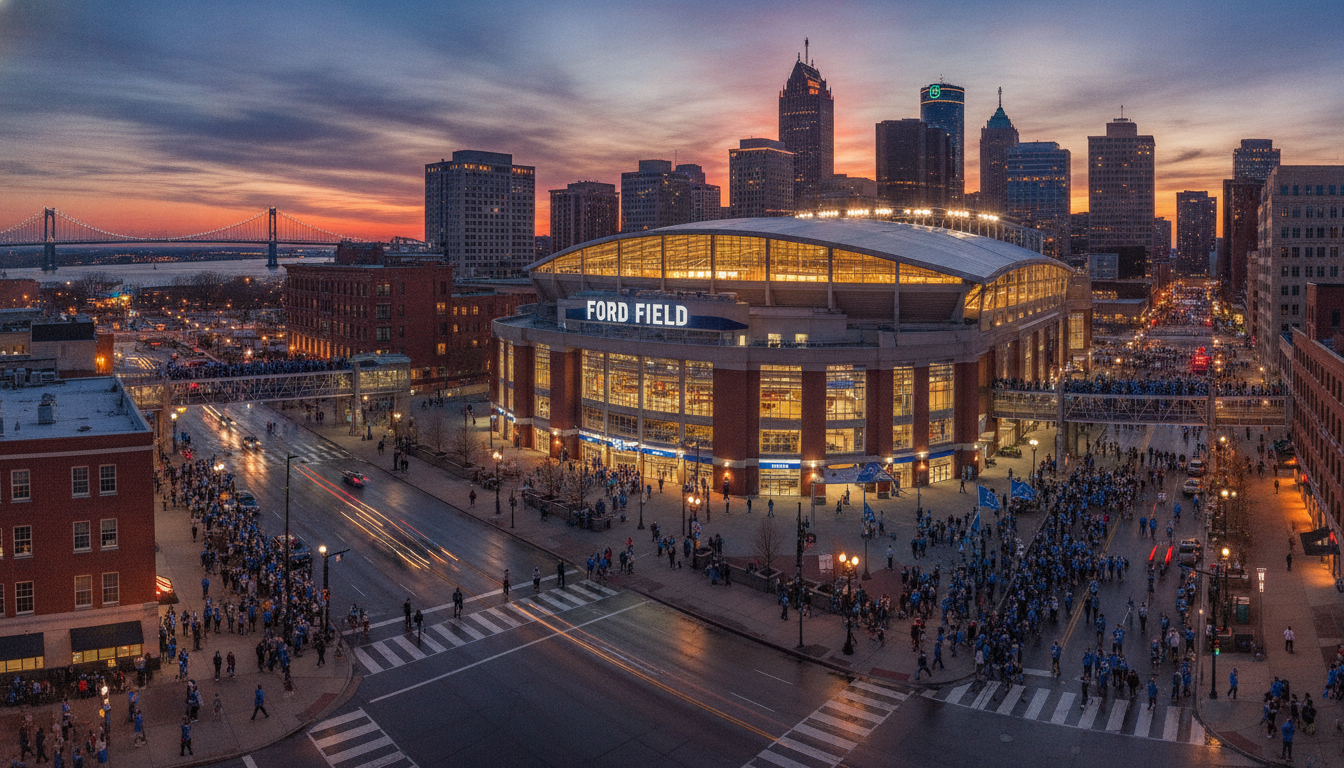
This divisional race is particularly significant for Detroit residents because home-field advantage in the playoffs translates directly into local spending. When the Lions host a game at Ford Field, the influx of visitors from across Michigan and neighboring states like Ohio and Indiana creates a ripple effect throughout the central business district. The proximity of Detroit to Chicago and Green Bay also ensures a high volume of traveling fans, which fills hotel rooms that might otherwise remain vacant during the colder autumn months.
Impact on Detroit Residents and Local Business
The success of the NFC North Detroit Lions has a tangible impact on the local workforce. Data from the Detroit Economic Growth Corporation suggests that home game days generate millions of dollars in economic activity for the city. Local bar and restaurant owners in the Greektown and Corktown neighborhoods have reported a significant uptick in foot traffic, not just on game days, but throughout the week as the city’s morale remains high. For many residents, the team’s success is a point of pride that transcends sports, acting as a marketing tool for a city that has spent years rebranding itself as a destination for local business growth and tourism.
Furthermore, the increased demand for services during the NFL season has led to temporary and permanent hiring surges in the service sector. Establishments near Woodward Avenue have noted that the ‘Lions Effect’ has allowed them to expand hours and invest in property renovations. According to the City of Detroit’s budget reports, tax revenue from downtown entertainment districts has seen a steady climb as the team’s national profile grows, providing the municipality with additional resources for neighborhood services and infrastructure improvements.
Infrastructure and Transportation Adjustments
With larger crowds comes the challenge of managing Detroit’s infrastructure. The City of Detroit has had to coordinate closely with the Detroit Department of Transportation (DDOT) to ensure that the QLine and local bus routes can handle the surge in passengers during divisional matchups. The influx of fans from the NFC North region has prompted the city to implement more robust traffic management plans. Residents living in the downtown core have seen a shift in parking availability, prompting city officials to encourage the use of park-and-ride programs located further from the stadium district.
According to the U.S. Census Bureau’s economic surveys of the region, the sports and entertainment sector remains one of Detroit’s fastest-growing industries. This growth is supported by the collaborative efforts of the Detroit Lions organization and local government to ensure that Ford Field remains a premier venue that can host not only NFL games but also large-scale concerts and community events. This year-round utility is vital for the long-term sustainability of the downtown economy, ensuring that the momentum generated during the football season carries over into other months.
Background and Historical Context
Historically, the NFC North has been dominated by the Green Bay Packers and the Minnesota Vikings. For much of the past twenty years, the Lions struggled to find a consistent identity, often finishing at the bottom of the division. This historical context makes the current era of Lions football even more impactful for the community. The shift began with a change in organizational culture that emphasized grit and resilience—traits that many Detroiters feel mirror the city’s own recovery from bankruptcy a decade ago.
The rivalry with the Chicago Bears remains one of the oldest in the league, and games between these two teams often serve as a bellwether for the city’s spirit. When Detroit wins, there is a documented increase in community engagement and public optimism. This psychological boost is often cited by downtown community events organizers as a key factor in the success of local festivals and public gatherings. A winning team creates a sense of collective identity that is invaluable for a city still navigating its way through post-industrial transitions.
What Happens Next for the Lions and the City
Looking forward, the path to a division title requires the Lions to maintain their momentum through a grueling late-season schedule. Upcoming matchups against the Vikings and Packers will be televised nationally, putting Detroit in the spotlight. For the city, this means more than just television ratings; it is an opportunity to showcase the renovated riverfront, new hotel developments, and the vibrant culinary scene to a global audience. Local officials are already preparing for the possibility of hosting multiple playoff games, which would be an unprecedented financial windfall for the region.
According to reports from the City of Detroit, long-term planning is underway to ensure that the benefits of this sports-led revival reach beyond the downtown core and into the neighborhoods. The goal is to use the tax revenue and global attention generated by the Lions to fund community centers and local parks. As the NFC North Detroit Lions continue their pursuit of a Super Bowl, the city stands ready to capitalize on every victory, proving that a successful sports franchise can indeed be a cornerstone of urban renewal.