
By Sarah Jenkins
Published: October 24, 2023
Location: Detroit, Michigan
Downtown Detroit Revitalization Shifts Gear as Mega-Projects Reach Milestones
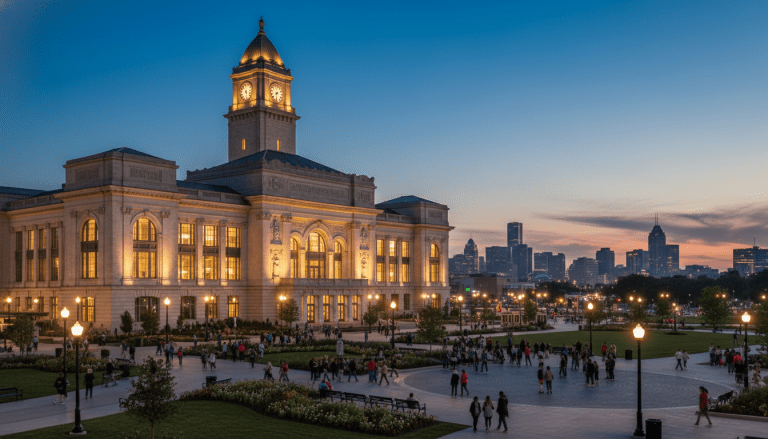
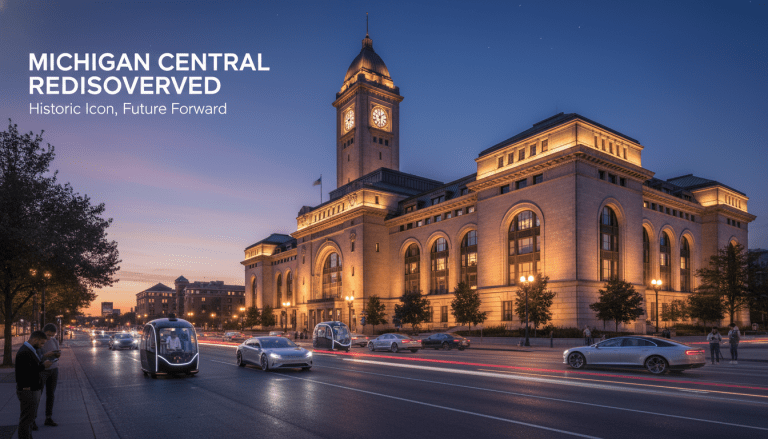
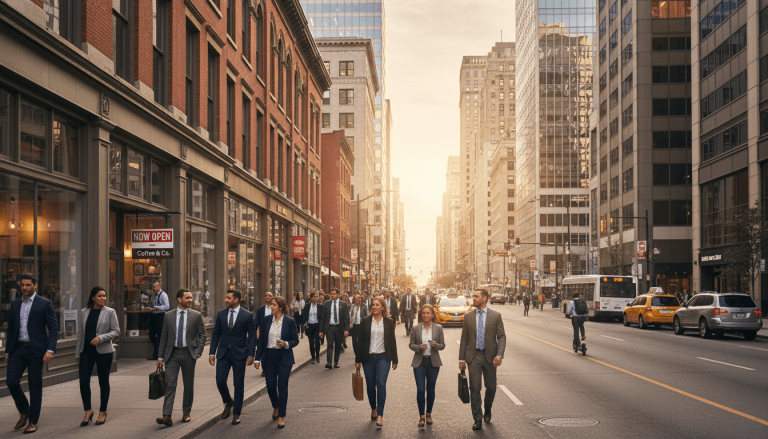
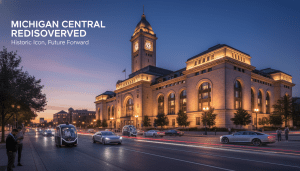
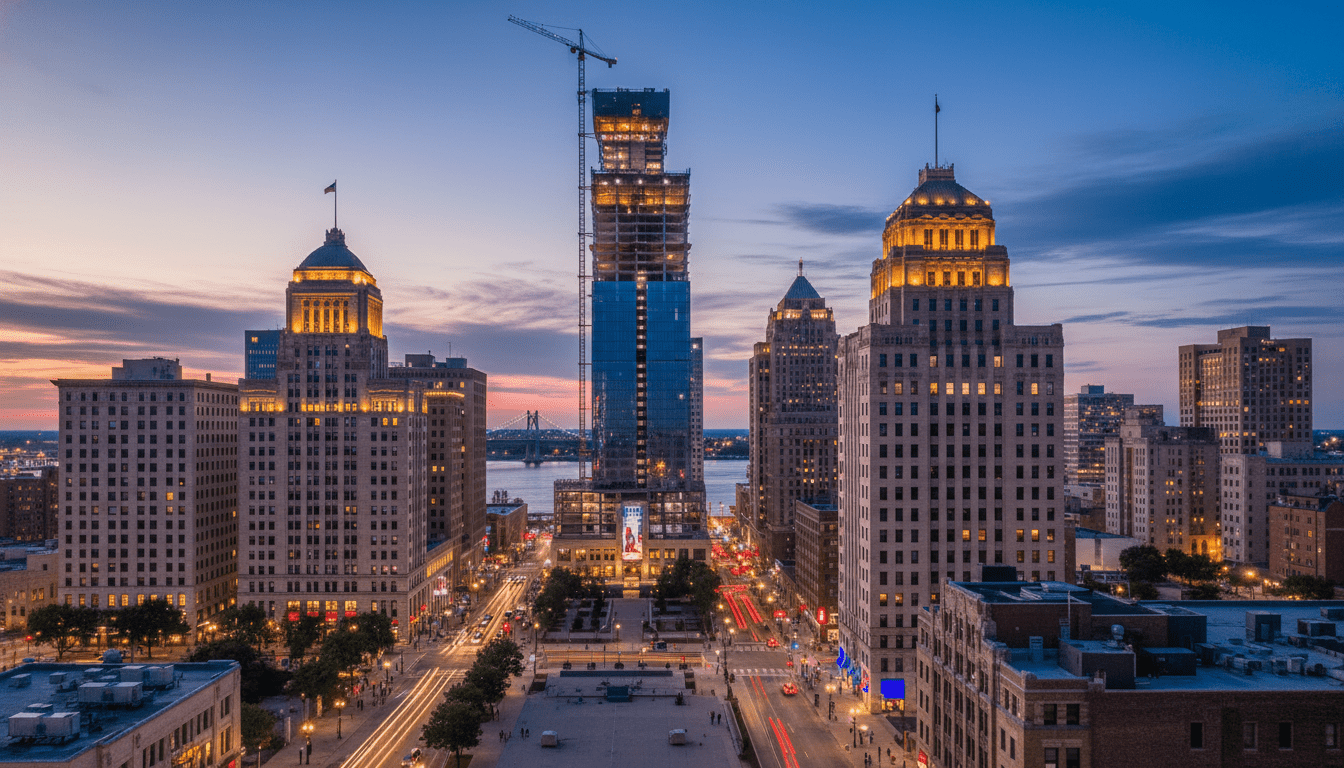
The skyline of Michigan’s largest city is undergoing its most significant physical transformation in decades, marking a pivotal moment in the ongoing narrative of Downtown Detroit revitalization. With the historic Hudson’s Detroit tower nearing completion and the recent reactivation of Michigan Central Station, the city is moving from a phase of speculative planning to tangible reality.
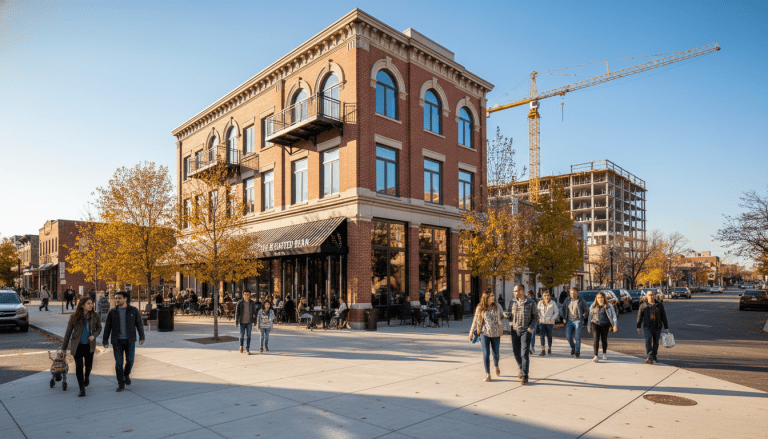
For years, renderings promised a new era for the Central Business District. Now, steel and glass are redefining the horizon, bringing with them renewed conversations about economic sustainability, housing density, and the ripple effects on longtime Detroiters.
From Renderings to Reality
The focal point of the current development wave is undoubtedly the Hudson’s Detroit site. Once home to the iconic J.L. Hudson Department Store, the location is being transformed by Bedrock into a mixed-use development that includes office space, luxury hotel units, and residential living.
According to the Downtown Detroit Partnership (DDP), the sheer scale of construction currently underway is unprecedented in the city’s modern history. The organization notes that these developments are not isolated silos but are part of a cohesive strategy to increase foot traffic and density.
“We are seeing a shift from strictly commercial investment to a true 24/7 neighborhood model,” a representative from a local urban planning group noted. “The goal of Downtown Detroit revitalization has always been to create a city that doesn’t close at 5:00 PM.”
Economic Data and Workforce Trends
While the buildings are impressive, the economic data driving this growth provides a clearer picture of the city’s trajectory. Data from the Detroit Economic Growth Corporation (DEGC) suggests that small business openings in the downtown corridor have stabilized post-pandemic, with a particular surge in the hospitality and tech sectors.
However, the office market faces the same headwinds as other major U.S. cities. With hybrid work remaining popular, developers are pivoting. The Detroit housing market has become a critical component of the revitalization strategy, with office-to-residential conversions gaining traction.
Connecting the Neighborhoods
A frequent criticism of downtown development is the potential isolation from the rest of the city. City officials have emphasized that the tax revenue generated from increased downtown property values is essential for funding services in neighborhoods from the East Side to Southwest Detroit.
Mayor Mike Duggan’s administration has repeatedly stated that downtown density funds neighborhood improvements. According to the City of Detroit, revenues from commercial developments are being funneled into the Strategic Neighborhood Fund, aimed at revitalizing streetscapes and parks outside the city center.
Impact on Detroit Residents
For local residents, the rapid changes bring a mix of optimism and caution. The influx of high-end retail and luxury apartments raises valid concerns regarding affordability.
Local business owners said that while foot traffic has increased—bolstered significantly by major sporting events and the recent NFL Draft—rent pressures are rising. “It is great to see the streets full again,” said one cafe owner near Capitol Park. “But we need to ensure that the businesses that held on during the tough times aren’t pushed out by the success they helped create.”
To combat displacement, the city has implemented requirements for affordable housing units within new developments receiving tax incentives. This policy aims to ensure that Downtown Detroit revitalization remains inclusive for residents across various income levels.
Looking Ahead: The Next Five Years
As 2025 approaches, the focus is shifting toward connectivity. Infrastructure projects are underway to better link the riverfront, the downtown core, and the burgeoning Corktown district. The expansion of transit options and walkable greenways are set to play a major role in how people navigate the reimagined city.
The revitalization efforts are no longer just about saving buildings; they are about curating a lifestyle that attracts talent while retaining the city’s unique cultural soul. As cranes continue to dot the sky, the next chapter of Detroit’s history is being written in real-time.