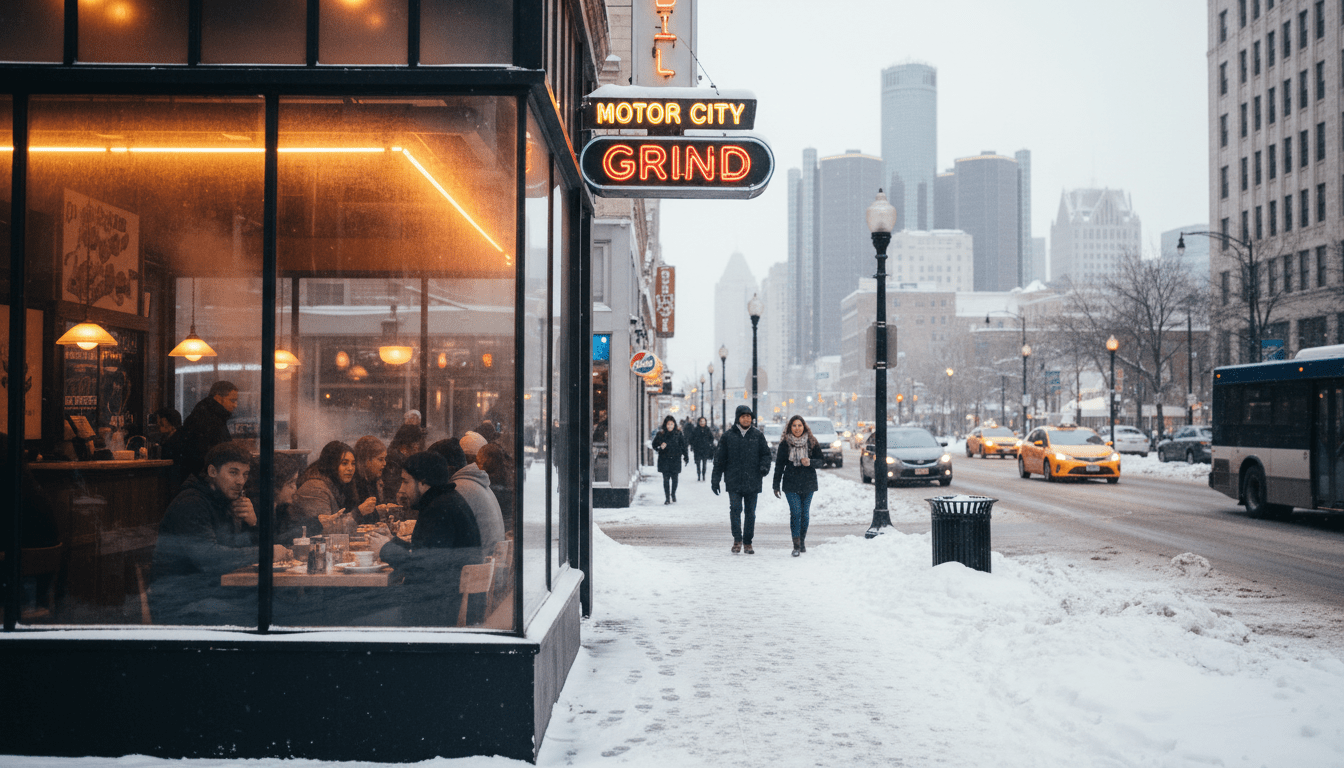
As temperatures drop and the post-holiday quiet settles over the city, a significant shift is occurring within the local hospitality sector. Downtown Detroit restaurants, historically reliant on dinner service and office lunch crowds, are increasingly turning to expanded brunch operations as a primary economic driver during the winter months. This strategic pivot aims to combat the traditional first-quarter revenue slump known in the industry as the "winter blues."
While brunch has long been a staple of American dining, its role in the Detroit downtown economy has evolved from a weekend luxury to a critical operational necessity. Establishments facing reduced foot traffic due to remote work trends and colder weather are utilizing mid-morning service to capture a demographic that is willing to travel downtown specifically for dining experiences, even when office occupancy remains lower than pre-pandemic levels.
The Economics of the "Brunch Bill" and Winter Revenue
The resilience of the current winter dining scene can be traced back in part to legislative changes and shifting consumer behaviors. According to data from the Michigan Restaurant & Lodging Association, the expansion of alcohol service hours—often referred to as the "Brunch Bill" passed years prior—laid the groundwork for restaurants to monetize morning hours more effectively. However, the current winter season sees this trend accelerating as operators look to maximize revenue per square foot.
Local business owners report that the profit margins on brunch service, which often relies on lower food costs compared to dinner service (eggs and grains versus prime cuts of meat), are essential for balancing the books during January and February. By creating high-demand, reservation-based brunch events, restaurants are able to forecast staffing needs more accurately, reducing overhead waste.
A report from the Downtown Detroit Partnership (DDP) has previously highlighted the importance of activating street-level retail and dining to maintain public safety and vibrancy. The surge in winter brunch availability contributes directly to this, ensuring that the city center remains active during daylight hours on weekends, bridging the gap between the morning quiet and evening events.
Adapting Infrastructure for Cold-Weather Dining
To sustain this momentum, Detroit establishments have had to invest heavily in winter-ready infrastructure. The concept of "winter dining" in Detroit has moved beyond simply offering hot food; it now involves complex logistical operations to extend seating capacity.
Several downtown venues have reintroduced or expanded the use of heated igloos and enclosed patio structures. Unlike the emergency implementations of 2020, these structures are now sophisticated, design-forward extensions of the dining room. Local contractors and design firms have noted an uptick in requests for weather-resistant outdoor heating solutions, indicating a long-term belief that winter outdoor dining is a permanent fixture in Detroit’s culinary landscape.
See more on local infrastructure developments in our report on Detroit’s evolving commercial real estate projects.
Impact on Detroit Residents and Workforce
For local residents, the expansion of winter brunch options offers both benefits and challenges. On one hand, the variety of dining options has increased significantly. Neighborhoods such as Capitol Park and the Financial District, which once felt dormant on winter Sunday mornings, now bustle with activity. This provides residents with walkable community hubs that foster social interaction during the isolating winter months.
However, the popularity of downtown Detroit winter brunch has also led to increased competition for reservations. Hospitality workers, while seeing more consistent shifts during the day, face the pressure of high-volume turnover environments. Representatives from local workforce development groups have noted that while the shift provides stability, it also requires specialized training for staff to manage the unique pacing of brunch service compared to traditional dinner service.
"The demand we are seeing for daytime dining in the winter is unprecedented compared to five years ago," noted a general manager of a prominent Woodward Avenue establishment, speaking on the condition of anonymity regarding internal metrics. "It allows us to keep staff employed full-time who might otherwise face hour cuts in January."
Connecting to the Broader Tourism Strategy
The emphasis on brunch is not happening in a vacuum. It aligns with broader tourism efforts to market Detroit as a four-season destination. With the recent influx of visitors for major sporting events and the upcoming festival seasons, the city’s ability to offer a robust culinary scene year-round is vital for reputation management.
Data from the U.S. Census Bureau regarding consumer spending suggests that dining out remains a priority for urban populations even amidst inflationary pressures, though consumers are becoming more selective. Detroit restaurants are responding by curating "experiences"—such as jazz brunches or themed winter menus—rather than just meals, to justify the expenditure.
For further analysis on how local businesses are navigating economic shifts, read our coverage on Detroit small business growth trends.
Future Outlook
As winter progresses, the success of the downtown Detroit winter brunch strategy will likely influence commercial lease negotiations and future operating hours for new businesses entering the market. If revenue figures remain strong through March, it is expected that more