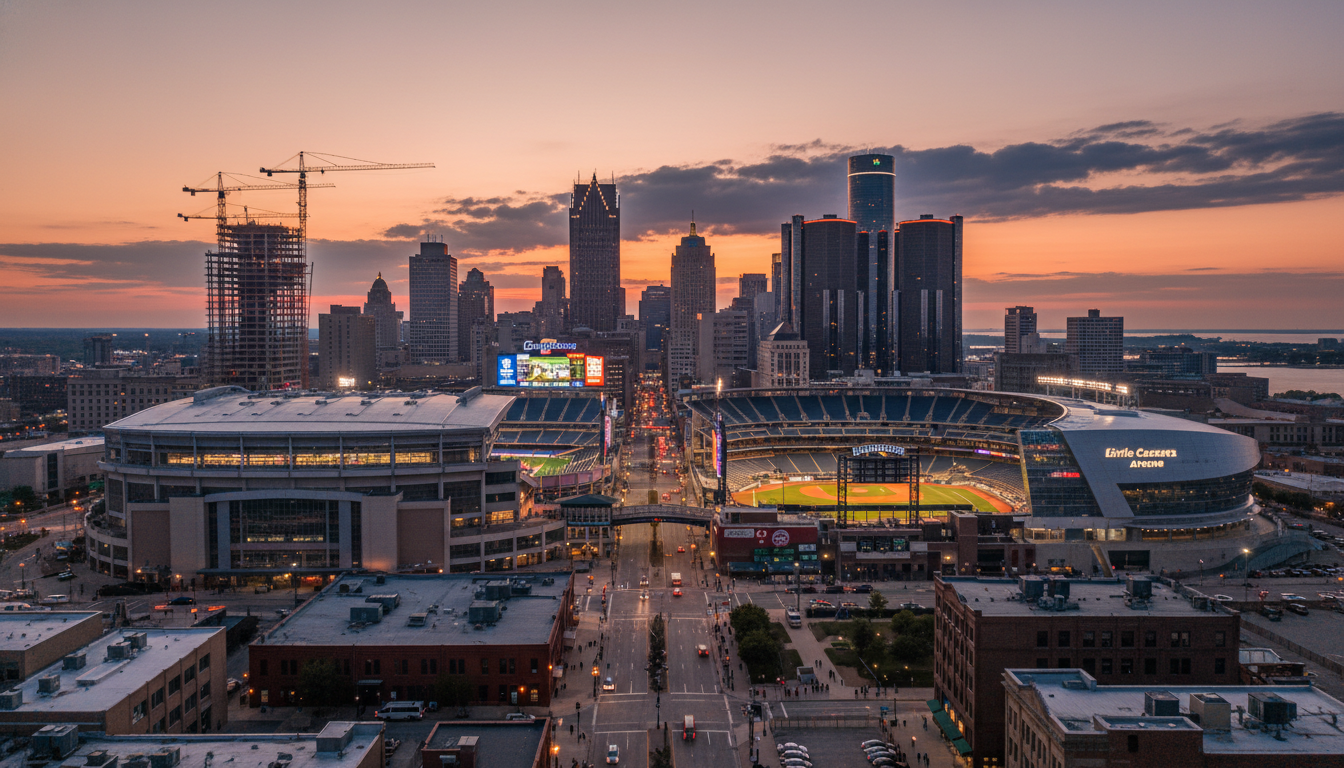
Following the record-breaking success of the 2024 NFL Draft, Detroit city officials and professional sports franchises are pivoting their focus toward the 2026 Detroit sports season. This period is increasingly viewed by urban planners and economic analysts as a critical maturity milestone for the city’s downtown revitalization efforts and its multi-billion dollar sports district.
The anticipation for 2026 is not merely based on the win-loss records of the local teams, but on a convergence of massive infrastructure projects, international tourism spillover, and the projected competitive peaks of the Detroit Lions, Tigers, Red Wings, and Pistons. According to reports from the Detroit Economic Growth Corporation (DEGC), the city is leveraging the momentum of recent downtown investments to ensure that the 2026 calendar serves as a permanent catalyst for neighborhood expansion and small business growth.
The 2026 Maturity Window for Detroit Franchises
On the field and the ice, 2026 is being circled as a year of high expectations. The Detroit Lions, currently navigating a sustained period of NFC North dominance, have structured player contracts and scouting cycles that point toward a high-performance window during the 2025-2026 season. Team leadership has consistently emphasized that the goal is not just a single championship run, but a sustained presence at the top of the league that drives consistent foot traffic to the Ford Field area.
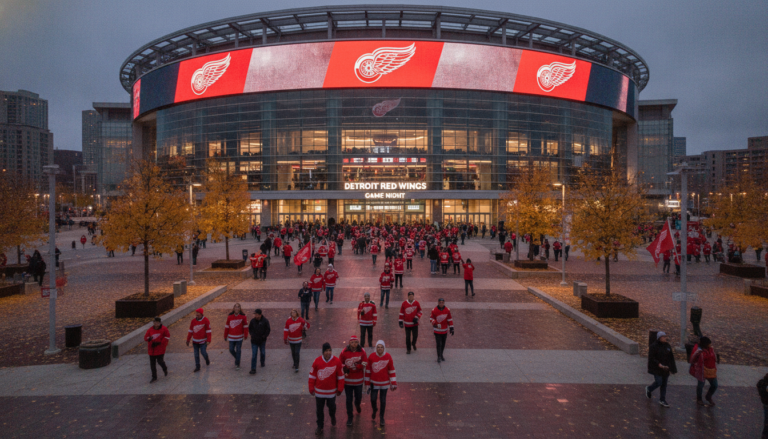
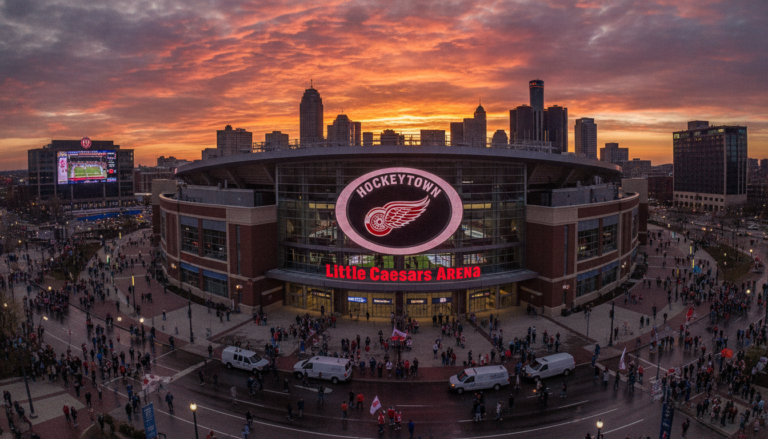
Simultaneously, the Detroit Tigers have been aggressive in their youth movement. Baseball analysts suggest that the core of the team’s current pitching prospects will reach their prime by 2026. This timeline aligns with planned upgrades to the Comerica Park fan experience, intended to integrate the stadium more fluidly with the surrounding District Detroit developments. Similarly, the Red Wings’ long-term rebuilding strategy under Steve Yzerman is projected to culminate in a return to deep playoff contention by the 2025-26 NHL season, potentially bringing late-spring economic surges back to Little Caesars Arena.
Infrastructure and The District Detroit Expansion
Central to the 2026 Detroit sports season is the physical transformation of the city’s core. The ongoing development of “The District Detroit”—a joint venture between Olympia Development and Related Companies—is slated to hit significant completion markers by early 2026. This includes new residential units, hotel spaces, and commercial hubs designed to turn the sports corridor into a year-round destination.
According to the City of Detroit Planning and Development Department, the focus has shifted from merely hosting games to creating a high-density environment that can support thousands of additional visitors. The city is also working to improve the “last mile” of transportation, ensuring that the QLine and updated bus routes can handle the increased volume expected from a rejuvenated sports culture. This infrastructure surge is detailed in our previous coverage of the District Detroit development timeline.
The Global Context: Proximity to the 2026 World Cup
While Detroit is not an official host city for the 2026 FIFA World Cup, its proximity to host sites like Toronto and the regional transit hub of Windsor, Ontario, presents a unique economic opportunity. Visit Detroit, the city’s convention and visitors bureau, has noted that Detroit’s hotel capacity and renovated international border crossing infrastructure make it a prime “base camp” for international fans.
“Detroit is uniquely positioned to capture the overflow of the 2026 World Cup,” a representative from the DEGC stated in a recent public forum. “By ensuring our local sports season is robust and our downtown is navigable, we can capture significant international spending that would typically bypass the Midwest.”
Impact on Detroit Residents
For local residents, the 2026 Detroit sports season represents more than just entertainment. The influx of capital into the sports district is projected to create thousands of seasonal and permanent jobs in the hospitality and maintenance sectors. However, city council members have also raised points regarding housing affordability and the potential for displacement as property values in the downtown core rise.
To mitigate these concerns, the City of Detroit has implemented community benefit agreements with developers. These agreements require that a percentage of new jobs be reserved for residents of the surrounding neighborhoods, including Cass Corridor and Woodbridge. Furthermore, the increased tax revenue generated from ticket sales and concessions is earmarked for the Detroit General Fund, which supports essential services like public lighting and neighborhood policing. This follows the economic model established during the record-breaking NFL Draft weekend earlier this year.
Background and Data Projections
Data from the U.S. Census Bureau and local economic trackers show that Detroit’s downtown population has grown by nearly 25% over the last decade, with a high concentration of young professionals who prioritize access to sports and entertainment. This demographic shift is a primary reason why franchises are investing heavily in “experience-based” stadium upgrades.
Financial projections suggest that a successful 2026 Detroit sports season—defined by high attendance across all four major sports—could generate upwards of $450 million in direct spending within the city limits. This would be a significant increase from the 2023-2024 averages, driven largely by the higher price points of renovated luxury seating and the increased number of out-of-state visitors.
What Happens Next
As 2025 approaches, Detroiters can expect to see an uptick in construction activity around the North Cass and Brush Park neighborhoods. The city will also begin rolling out its “Detroit 2026” hospitality training programs, aimed at preparing the local workforce for the anticipated surge in tourism. While the success of the 2026 Detroit sports season ultimately depends on the performance of the athletes on the field, the city is ensuring that the infrastructure surrounding them is ready for a championship-level impact.