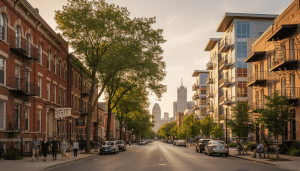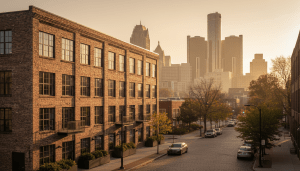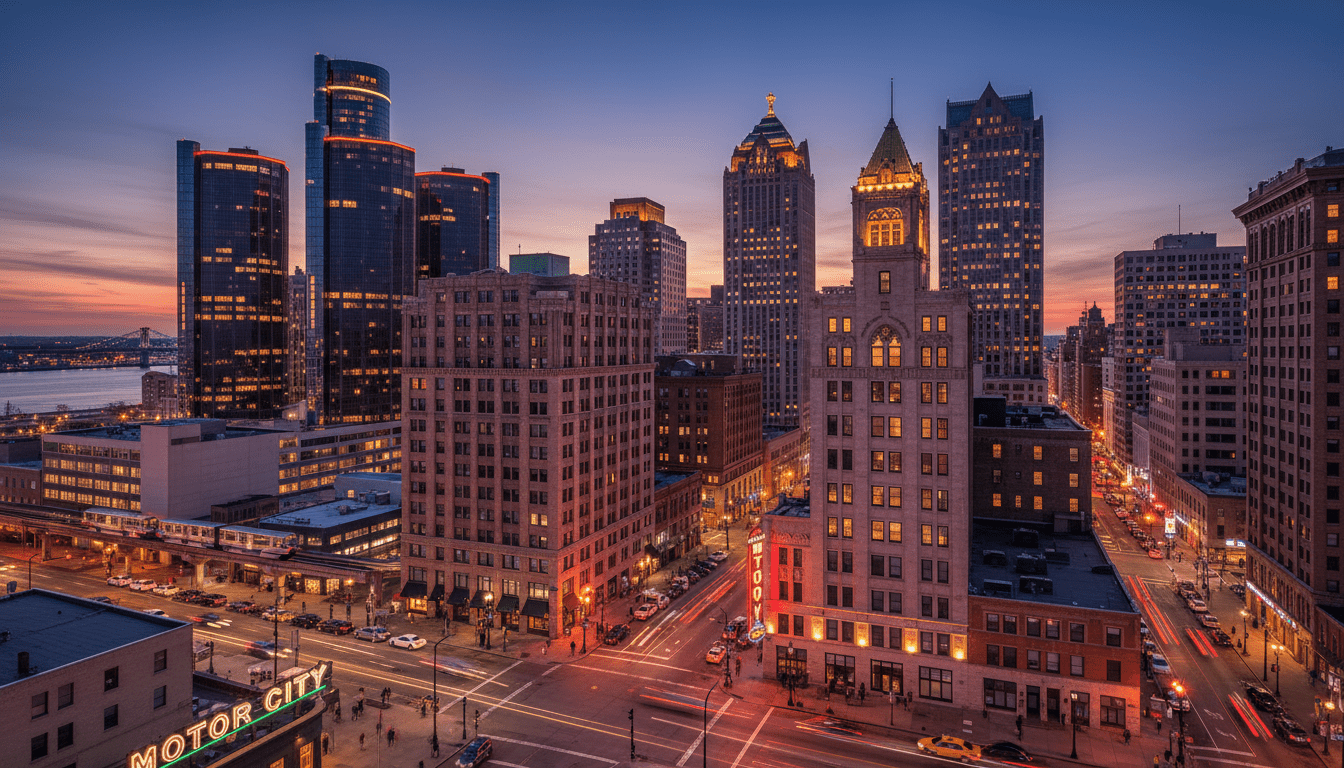
The skyline of Detroit is changing, and with it, the capacity to host major national events and an influx of leisure travelers. Over the last twenty-four months, the inventory of hotels in downtown Detroit has expanded significantly, marking a pivot from a market once defined by a shortage of premium rooms to one characterized by boutique experiences and historic restorations.
This surge in development comes as the city continues to position itself as a major convention destination. Following the successful hosting of the NFL Draft, developers and city planners are analyzing the long-term sustainability of the current hospitality boom. According to recent data from the Downtown Detroit Partnership (DDP), the hospitality sector is not merely recovering from pandemic-era lows but is evolving to meet new demands for luxury and lifestyle accommodations.
A Wave of Boutique and Luxury Developments
For decades, the hospitality offerings in the central business district were dominated by a few large convention-style properties. However, the current wave of investment is distinct in its focus on adaptive reuse and boutique branding. Developers are betting on the unique architectural heritage of the city to draw visitors who are looking for more than just a place to sleep.
One of the most visible examples of this trend is the restoration of the Book Tower. After years of vacancy, the historic skyscraper reopened featuring ROOST Detroit, an apartment-hotel concept. This project represents a broader trend where hotels in downtown Detroit are increasingly mixed-use, blending extended-stay accommodations with residential units and high-end dining.
Similarly, the opening of The Godfrey Hotel in Corktown—adjacent to downtown—and the Cambria Hotel in the chaotic energy of the central district have added hundreds of new keys to the city’s inventory. These properties are designed to capture not just convention traffic, but the growing leisure market.
"The strategy has shifted," noted a representative from a local real estate investment firm during a recent development panel. "Ten years ago, the question was whether we could fill rooms on a Tuesday night. Today, the question is how we can provide an experience that competes with Chicago or Toronto. The market is maturing."
Impact on Detroit Residents
While the primary target of these developments is the out-of-town visitor, the impact on local residents is substantial. The hospitality boom is a significant driver of employment. As new properties come online, the demand for service industry staff—from front-of-house management to culinary teams—has created a competitive job market.
Furthermore, these developments are altering the social fabric of the downtown area. Almost every new hotel project includes ground-floor retail or restaurant components accessible to the public. For locals, this means an increase in dining and entertainment options. Restaurants located within these hotels are increasingly marketing themselves as community hubs rather than exclusive amenities for guests.
However, the rapid pace of development also brings questions regarding infrastructure. Residents have expressed concerns about traffic congestion and parking availability during peak event seasons. The city has responded by emphasizing the use of the QLINE and the People Mover, promoting a shift in Detroit transportation infrastructure to accommodate the higher density of visitors.
Occupancy Trends and Market Data
Data provided by Visit Detroit and the DDP suggests that while inventory is up, occupancy rates are stabilizing. In 2023 and early 2024, downtown Detroit saw occupancy rates frequently surpassing national averages for comparable mid-sized cities, particularly during event weekends.
The recovering convention schedule at Huntington Place is a critical factor. Meeting planners often cite the proximity of high-quality hotel rooms to the convention center as a deciding factor when booking host cities. Previously, Detroit lost bids due to a lack of "walkable" inventory. The current pipeline aims to close that gap.
According to construction reports, there are currently over 1,500 additional rooms in various stages of planning or construction within the greater downtown area. This includes the highly anticipated hotel component at the Hudson’s site development, which is expected to introduce a five-star luxury tier that the city has historically lacked.
The Economic Multiplier Effect
The economic contribution of these hotels extends beyond room tax revenue. Visitors staying in hotels in downtown Detroit spend money at local businesses, museums, and venues. The "multiplier effect" implies that for every dollar spent on lodging, several more are circulated into the local economy through food, beverage, and retail spending.
For a deeper look at how this spending supports local services, readers can review our analysis on Detroit local business growth trends.
Future Outlook: Connectivity and Competition
Looking ahead, the challenge for Detroit will be sustaining occupancy during non-peak times. While summer festivals and the resurgence of the Detroit Lions have filled rooms on weekends, midweek occupancy remains a battleground for hoteliers.
Industry experts predict a period of consolidation may follow this rapid expansion. Older properties may be forced to renovate to compete with the modern amenities offered by new entrants like the AC Hotel and Residence Inn near the Woodward corridor.
Furthermore, discussions continue regarding a dedicated "headquarters hotel" connected directly to Huntington Place. While the current boom of boutique hotels has improved the landscape, convention officials argue that a massive, single-property hotel is still necessary to land the largest international conventions. Whether the market can absorb such a massive addition alongside the current boutique boom remains a topic of debate among city planners and private developers.
As construction cranes continue to dot the skyline, it is clear that the hospitality sector is betting big on Detroit’s future. The transition from a recovery market to a destination market is well underway, reshaping the downtown experience for visitors and residents alike.