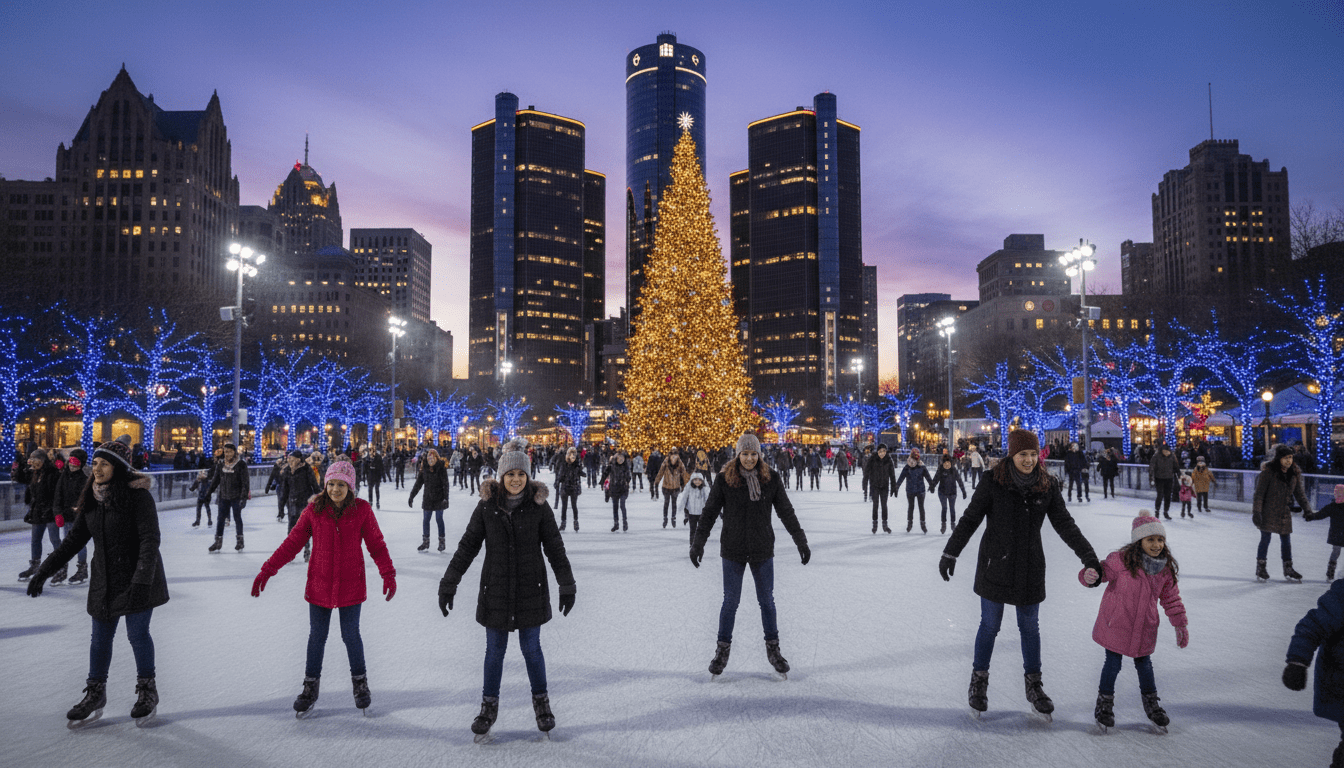
As temperatures drop across Southeast Michigan, the transformation of downtown public spaces has officially begun, signaling the start of the 2024-2025 winter tourism and recreation season. At the center of this seasonal shift is the return of ice skating in Detroit, a staple activity that has grown from a novelty into a primary driver of foot traffic for the central business district during the colder months.
The Downtown Detroit Partnership (DDP) has confirmed the opening of The Rink at Campus Martius Park, marking the 21st season of skating at the city’s geographic center. While the rink serves as a festive attraction, city planners and economic development officials view these installations as critical infrastructure for maintaining urban vitality after the summer festival season concludes.
The Rink at Campus Martius Opens for 21st Season
The focal point of ice skating in Detroit remains Campus Martius Park. According to the Downtown Detroit Partnership, the rink attracts approximately 100,000 skaters annually, with hundreds of thousands more visiting the park to view the amenities and the city’s official Christmas tree. The rink is scheduled to remain open seven days a week through March 2, 2025, weather permitting.
This year, officials emphasize the logistical coordination required to maintain the ice surface amidst fluctuating Midwest weather patterns. The installation utilizes advanced chilling technology to ensure the surface remains skateable even when ambient temperatures rise slightly above freezing—a necessary adaptation noted by event organizers in recent years.
“The return of the rink signifies more than just holiday cheer; it represents a consistent economic engine for the surrounding businesses,” a representative from the DDP stated in a press briefing regarding the season launch. “Our data suggests that visitors who come to skate spend an average of two to three hours downtown, patronizing nearby restaurants and retailers.”
Beyond Downtown: Riverfront and Neighborhood Options
While Campus Martius garners the majority of media attention, opportunities for ice skating in Detroit have expanded to the riverfront and neighborhood recreational centers, offering varied experiences for residents.
The Detroit Riverfront Conservancy continues to activate the riverwalk during winter months. A key component of this initiative is the “Winter at Valade” programming at Valade Park. While offerings fluctuate annually based on funding and weather, the Conservancy has historically prioritized outdoor winter wellness, providing synthetic or natural ice options and fire pits to encourage year-round use of the Detroit Riverwalk.
For residents seeking year-round, indoor skating focused on athletics rather than leisure, the Jack Adams Memorial Ice Arena remains a vital resource. Operated in conjunction with the Adams Butzel Complex, this facility provides youth hockey programs and open skate times that are often more accessible and affordable for local families compared to the boutique experience at Campus Martius.
Impact on Detroit Residents and Local Economy
The proliferation of winter activities raises questions about accessibility and economic impact for Detroit residents. The influx of visitors from the suburbs and out of state during the holidays provides a revenue spike for businesses, but local leaders are increasingly focused on ensuring these amenities serve the city’s population.
Data from the downtown business growth reports indicate that winter activation is crucial for restaurant survival rates in the Central Business District. Without the draw of attractions like the rink, foot traffic drops precipitously in January and February.
However, accessibility remains a priority. The City of Detroit Parks and Recreation Department continues to work with partners to offer discounted admission days or free community events to ensure that the cost of entry does not exclude local residents from participating in the winter festivities.
“It is essential that the revitalization of downtown includes spaces where Detroit families feel welcome,” said a spokesperson for a local community advocacy group. “While we welcome the tourism dollars, the programming must remain inclusive.”
Background and Historical Context
The concept of ice skating in Detroit as a civic centerpiece is relatively modern in the context of the city’s 300-year history. The dedication of Campus Martius Park in 2004 marked a turning point in urban planning for the city, moving away from car-centric designs toward walkable, programmable public squares.
According to urban planning studies conducted over the last decade, the success of the rink at Campus Martius has influenced development projects in other winter-city climates. The model relies on corporate sponsorship—supported significantly by heavy hitters like Gilbert Family Foundation and DTE Energy—to offset the high operational costs of maintaining outdoor ice.
This sponsorship model allows for high-quality maintenance and security, features that have helped the location earn national recognition, including consistent top rankings in USA Today’s 10Best Readers’ Choice travel awards for public squares.
Future Outlook for Winter Programming
Looking ahead, the scope of upcoming holiday events and skating infrastructure suggests a continued investment in “winter placemaking.” Development plans for the broader downtown area, including the District Detroit, often include renderings of winter markets and outdoor gathering spaces, suggesting that the seasonal activation model will expand beyond the immediate radius of Woodward Avenue.
As the season progresses, residents and visitors are advised to check official schedules, as hours of operation for all city rinks are subject to change based on severe weather events or private rentals.