
Detroit’s ambitious infrastructure project, the Joe Louis Greenway, reached a significant milestone this week as city officials announced the completion of a vital 2-mile segment connecting Hamtramck to the Core City neighborhood. The announcement marks a pivotal moment in the 27.5-mile recreational loop intended to unify the city’s diverse communities.
The project, which aims to transform blight into beauty, is not just about paving paths but about reimagining urban mobility. According to a statement released by the Mayor’s office, this new phase effectively links three previously disconnected neighborhoods, providing residents with safer non-motorized transit options.
Connecting Communities Through Infrastructure
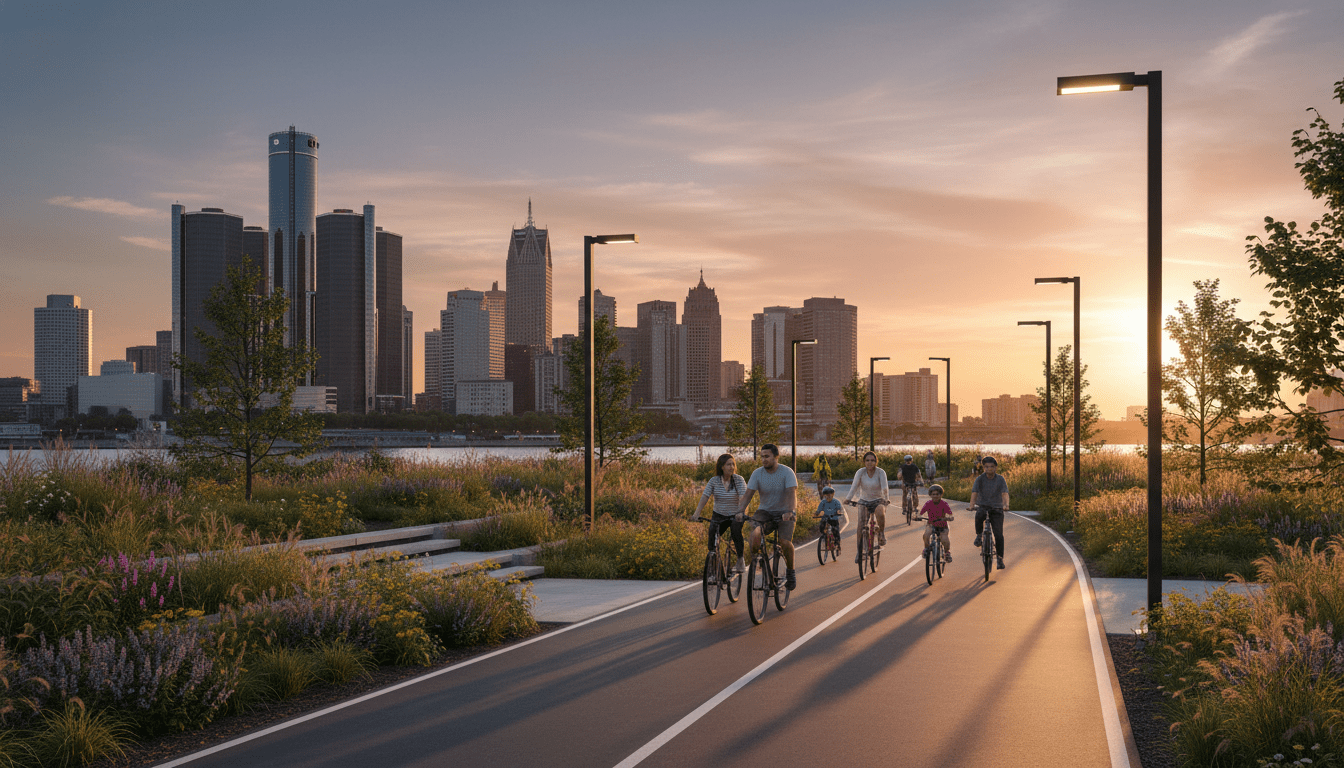
The Joe Louis Greenway is designed to provide residents with close access to parks and recreational spaces. The newly opened segment features wide paved trails, LED lighting for safety, and native landscaping that manages stormwater runoff. “This isn’t just a bike path; it is an economic corridor that brings equity to neighborhoods that have been overlooked for decades,” said a representative from the Detroit Riverfront Conservancy.
For more context on how infrastructure projects are reshaping local areas, readers can look at our coverage of ongoing neighborhood revitalization efforts across the city. The integration of public art installations along the route is also planned, aimed at celebrating Detroit’s rich cultural history.
Impact on Property Values and Residents
While the expansion is largely celebrated, it brings questions regarding housing affordability and property taxes. Real estate analysts suggest that homes within a quarter-mile of the Joe Louis Greenway could see property value increases of up to 15% over the next five years. This data has sparked conversations about gentrification and the need for policy safeguards.
“We are excited about the greenway, but we want to ensure long-time residents aren’t priced out of their own backyards,” stated a community organizer from the Highland Park coalition. The city has responded by pointing to the new affordable housing grants recently approved by the City Council, which prioritize legacy residents in development zones.
Background and Funding Data
The project is supported by a mix of public and private funding, including significant contributions from federal grants and local philanthropic organizations. According to the City of Detroit’s official project tracker, over $50 million has been invested in construction costs to date. The timeline for full completion is currently set for late 2026, pending weather conditions and supply chain consistency.
What Happens Next?
Construction crews will now shift their focus to the Southwest Detroit leg of the loop, which presents unique engineering challenges due to existing industrial rail lines. The city plans to host a series of town hall meetings next month to gather public feedback on the design of the Southwest trailheads.
As the Joe Louis Greenway continues to take shape, it stands as a testament to Detroit’s resilience and its commitment to a greener, more connected future.