Recent data from the Detroit Economic Growth Corporation (DEGC) indicates a steady uptick in new business openings across the city’s neighborhood commercial corridors. This surge in activity, highlighting the latest Detroit small business news, is driven by a combination of public-private partnerships, targeted grant programs, and a concerted effort to decentralize economic growth from the downtown core into residential districts.
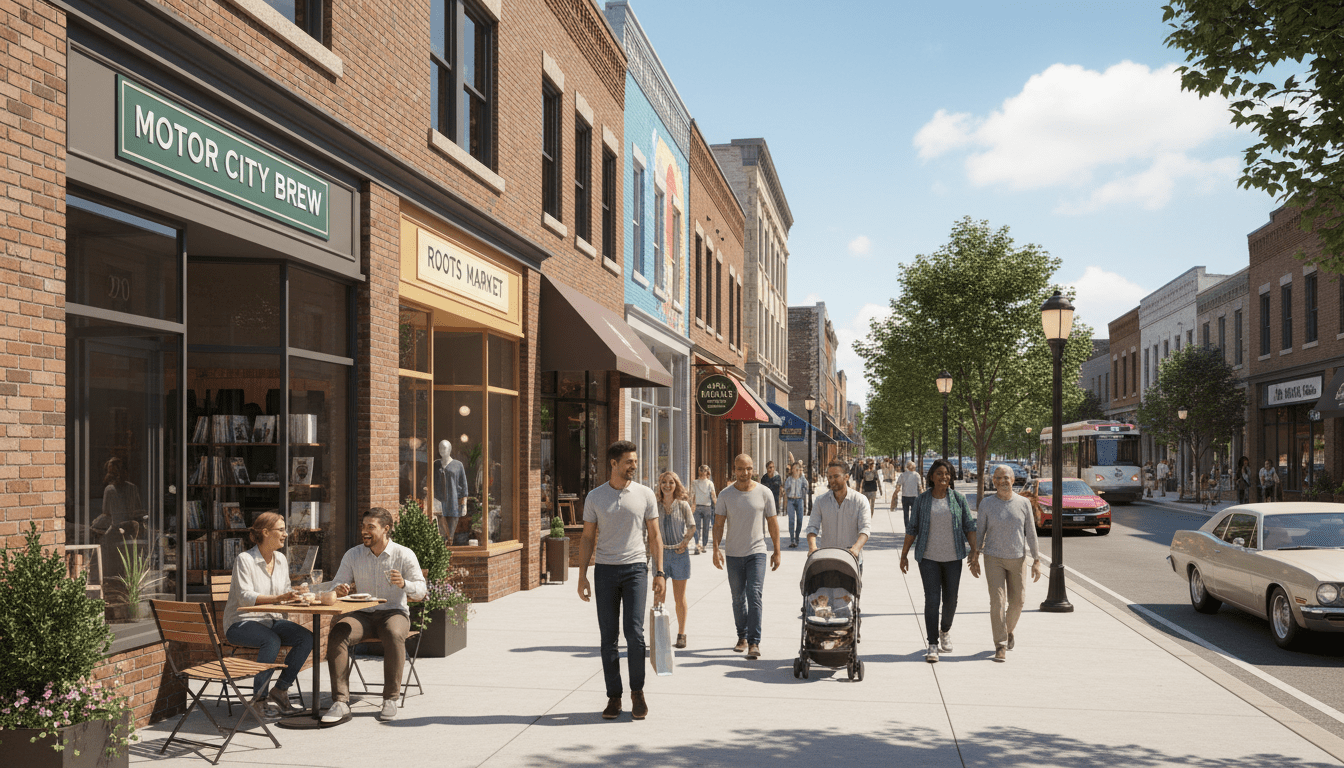
As the city continues its post-pandemic recovery, the landscape for new businesses Detroit is shifting. Areas such as the Livernois Avenue of Fashion, Grand River, and East Jefferson are witnessing a transformation as vacant storefronts are filled by boutiques, cafes, and essential service providers. According to the DEGC, the city’s flagship entrepreneurship program, Motor City Match, has played a pivotal role in this expansion, recently surpassing $15.7 million in total grants awarded to local entrepreneurs Detroit has fostered.
The Role of Support Systems in Detroit Small Business News
The success of the local economy is increasingly tied to the infrastructure provided to startup founders. Kevin Johnson, President and CEO of the DEGC, has frequently emphasized that small businesses are the backbone of Detroit’s neighborhoods. Reported figures suggest that nearly 80% of the businesses supported by city-led initiatives are minority-owned, and more than 70% are women-owned, reflecting the demographic reality of the city.
Beyond direct funding, the city has implemented a network of District Business Liaisons. these individuals serve as intermediaries between the municipal government and small business owners, helping them navigate the complexities of zoning, permitting, and licensing. This systemic support has led to a more streamlined process for new businesses Detroit residents are launching, reducing the barriers to entry that previously stifled neighborhood growth. For more context on the city’s broader strategy, readers can explore our previous coverage on Detroit economic forecast models for the coming fiscal year.
Impact on Detroit Residents
The proliferation of small businesses is more than just an economic metric; it is a quality-of-life issue for Detroiters. For decades, many neighborhoods were classified as retail deserts, forcing residents to travel to the suburbs for basic goods and services. The current trend in Detroit small business news shows a reversal of this pattern.
When a new grocery store or pharmacy opens in a neighborhood like Old Redford or Jefferson Chalmers, it reduces transit times and keeps capital circulating within the community. Furthermore, these businesses are primary employers for local youth and residents who may face transportation barriers to jobs outside the city. Local business owners noted that hiring from within the ZIP code not only fosters community loyalty but also contributes to the overall safety and vibrancy of the streetscape.
The social impact is also visible in the physical restoration of historic buildings. Many local entrepreneurs Detroit celebrates are moving into renovated spaces that had been boarded up for years, effectively reducing blight and increasing property values for surrounding homeowners. This trend is a key component of the ongoing neighborhood revitalization projects seen across the city.
Background and Economic Data
Data from the U.S. Census Bureau’s Business Formation Statistics shows that Michigan has seen a consistent high volume of business applications over the last 24 months. While not every application results in a brick-and-mortar storefront, the intent to start a business remains at historic highs. In Detroit specifically, the focus has shifted toward sustainability—ensuring that businesses not only open but remain operational past the critical two-year mark.
According to the Detroit Economic Growth Corporation, the retention rate for businesses that receive technical assistance alongside capital is significantly higher than those that do not. Programs like ‘Buy Detroit’ are also helping local firms scale by connecting them with large-scale procurement opportunities from major corporations and hospital systems located within the city limits. This B2B (business-to-business) integration ensures that new businesses Detroit produces have a diversified revenue stream beyond just foot traffic.
Challenges Facing Local Entrepreneurs Detroit
Despite the positive momentum, hurdles remain. Inflation has increased the cost of build-outs and inventory, while a tight labor market makes staffing a challenge for micro-businesses. Additionally, access to traditional bank lending remains a hurdle for many black and brown entrepreneurs, who often rely on Community Development Financial Institutions (CDFIs) or personal savings to launch.
City officials have acknowledged these gaps, leading to the creation of the Detroit Means Business (DMB) platform. This coalition of over 50 organizations provides a centralized resource hub for small business owners to access legal aid, accounting services, and marketing support, often at little to no cost.
What Happens Next
The outlook for the Detroit small business sector remains cautiously optimistic. With several large-scale developments—such as the Michigan Central innovation district and the Bedrock development at the former Hudson’s site—nearing completion, the demand for secondary services and local retail is expected to grow. The city is also preparing for the next rounds of the Motor City Match program, which continues to see record numbers of applicants.
In the coming months, the focus of Detroit small business news will likely shift toward the integration of technology and e-commerce for neighborhood retailers. As consumer habits evolve, the city is investing in digital literacy programs to ensure that local entrepreneurs Detroit depends on can compete in a global marketplace while maintaining their deep roots in the community.
As Detroit prepares for major national events like the NFL Draft and various international conventions, small businesses are positioning themselves to be front and center, showcasing the city’s unique culture and entrepreneurial spirit to a global audience. The success of these neighborhood anchors will ultimately determine the long-term stability of Detroit’s economic resurgence.