As the landscape of professional sports facilities continues to evolve nationwide, a major new development in the Pacific Northwest is drawing significant attention from urban planners and sports executives alike. The groundbreaking of the new $150 million Hillsboro Hops stadium near Portland represents a massive shift in regional sports development and a substantial investment in the Oregon economy. For cities like Detroit, which has long pioneered the ‘sports district’ model of urban renewal, the progress of this Portland stadium serves as a vital case study in modern infrastructure and public-private partnerships.
A New Era for the Hillsboro Hops
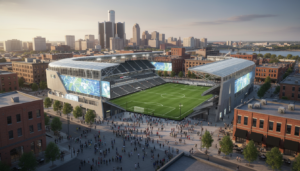
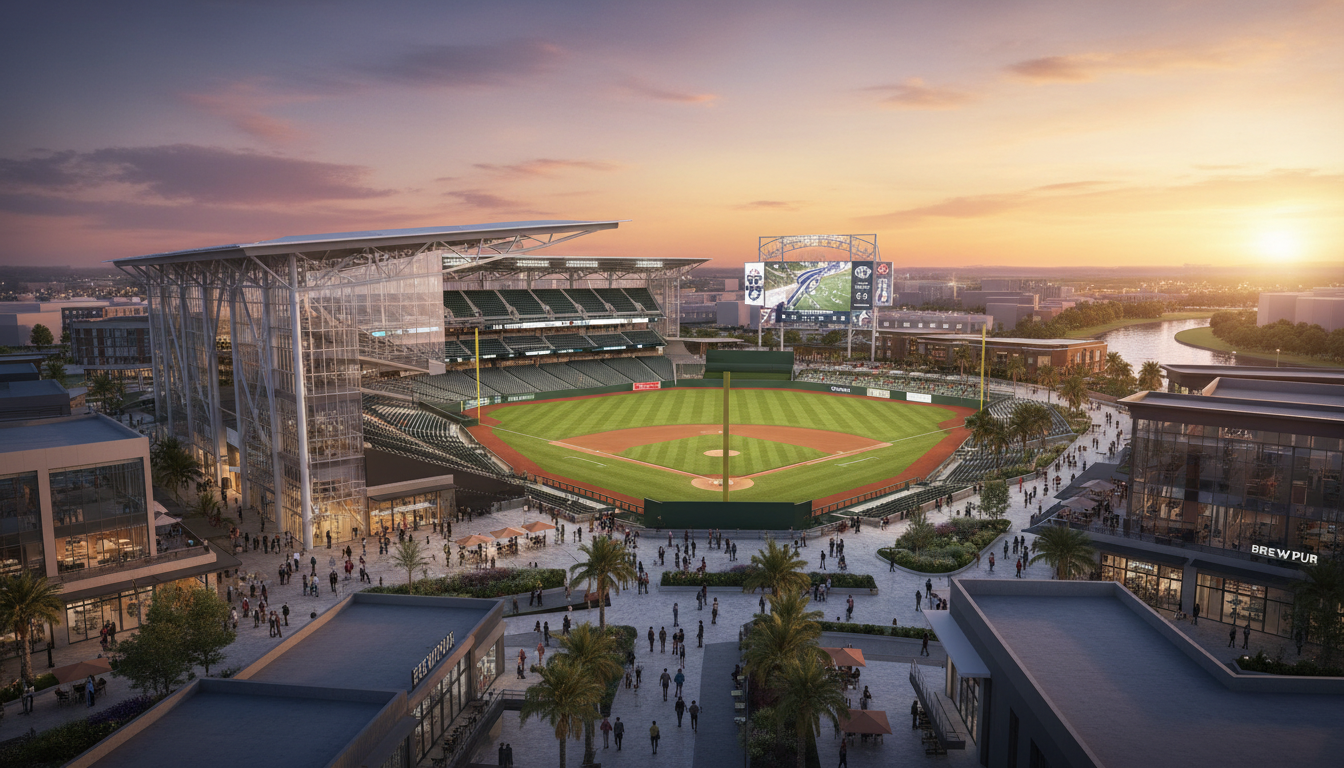
The Hillsboro Hops, the High-A affiliate of the Arizona Diamondbacks, recently moved forward with the construction of a state-of-the-art facility designed to meet the rigorous new facility standards mandated by Major League Baseball (MLB). According to the City of Hillsboro, the project is not merely a replacement for the existing Ron Tonkin Field but a multi-purpose venue intended to serve as a year-round community asset. The new Portland stadium is expected to anchor a broader sports and entertainment district, mirroring the successful integration seen in Detroit’s own Little Caesars Arena and Comerica Park corridors.
The project is funded through a complex layering of sources, including a $15 million contribution from the State of Oregon, significant investment from the Hops’ ownership group, and municipal bonds. Financial analysts suggest that the $150 million price tag reflects the rising costs of construction and the high expectations for fan amenities in the current market. Data from the Oregon Office of Economic Analysis indicates that large-scale construction projects in the region have seen a 20% increase in material costs over the last three years, making the Hops’ commitment even more notable.
Impact on Local Residents and the Oregon Economy
For residents of Hillsboro and the greater Portland area, the impact of this new venue extends beyond the baseball diamond. Local officials estimate that the construction phase alone will generate hundreds of high-paying trade jobs. Once operational, the venue is projected to host upwards of 200 events annually, including concerts, festivals, and community gatherings, significantly boosting the Oregon economy through tourism and local spending.
“This is about more than just nine innings of baseball,” a representative from the Hillsboro Economic Development department noted in a recent public forum. “This is about creating a destination that sustains local small businesses and provides a permanent anchor for the North Hillsboro area.” Residents can expect improved transportation infrastructure surrounding the site, as the project includes provisions for better road access and expanded public transit connections to accommodate the anticipated influx of visitors.
The National Context: Sports Development as Economic Engine
The development of this Portland stadium follows a national trend where minor league facilities are being reimagined as major economic hubs. As explored in our previous coverage of Detroit’s redevelopment of sports districts, the transition from standalone stadiums to integrated entertainment zones is a proven strategy for long-term growth. The Hillsboro Hops project is being closely watched by other MiLB franchises currently facing MLB-mandated facility upgrades.
Background and Facility Data
The push for the new venue was largely driven by the MLB Professional Development League requirements, which were overhauled in 2020. These standards demand higher-quality clubhouse facilities, improved training spaces, and better lighting for minor league affiliates. Failure to comply with these standards often results in a city losing its professional team—a risk the Hillsboro community was unwilling to take.
Key features of the new venue include:
- A capacity of approximately 7,000 for baseball and 10,000 for concerts.
- Environmentally sustainable building practices, targeting LEED certification.
- Enhanced player development facilities, including indoor batting cages and advanced weight rooms.
- Year-round retail and dining spaces accessible to the public on non-game days.
According to reports from the Hillsboro City Council, the venue is scheduled to be completed by the start of the 2026 season. This timeline is critical, as it aligns with the expected growth of the region’s tech sector, often referred to as the ‘Silicon Forest.’ You can read more about how similar infrastructure projects have influenced local growth in our report on Detroit’s economic growth and infrastructure.
Comparison: The Detroit Model in the Pacific Northwest
While Detroit and Portland are separated by over 2,000 miles, their approaches to sports-led economic development are increasingly similar. Detroit’s District Detroit was built on the premise that sports can serve as a catalyst for residential and retail density. In Hillsboro, the new Portland stadium is being positioned as a similar catalyst for the western suburbs. Critics of such projects often point to the use of public funds, but proponents argue that the long-term tax revenue generated by a vibrant sports development far outweighs the initial investment. Official documentation from the City of Hillsboro highlights that the stadium is expected to be a net positive for the city’s general fund within its first decade of operation.
What Happens Next
With construction now underway, the focus shifts to the surrounding development. The Hillsboro Hops organization has already begun discussions with regional partners to secure naming rights and sponsorships that will further integrate the team into the local corporate community. For sports development enthusiasts, the Portland stadium project remains a bellwether for the future of minor league baseball.
As the project nears completion in 2026, the city will begin rolling out traffic management plans and final landscaping designs. The success of this $150 million investment will likely determine the template for future sports infrastructure projects across the Pacific Northwest and beyond. For now, the Hops are looking forward to a future where their home field is not just a place to play, but a centerpiece of the regional economy.