
By Sarah Jenkins
Published: October 24, 2023
Location: Detroit, Michigan
Beyond the Assembly Line: How the ‘Made in Detroit’ Movement is Reshaping the Local Economy
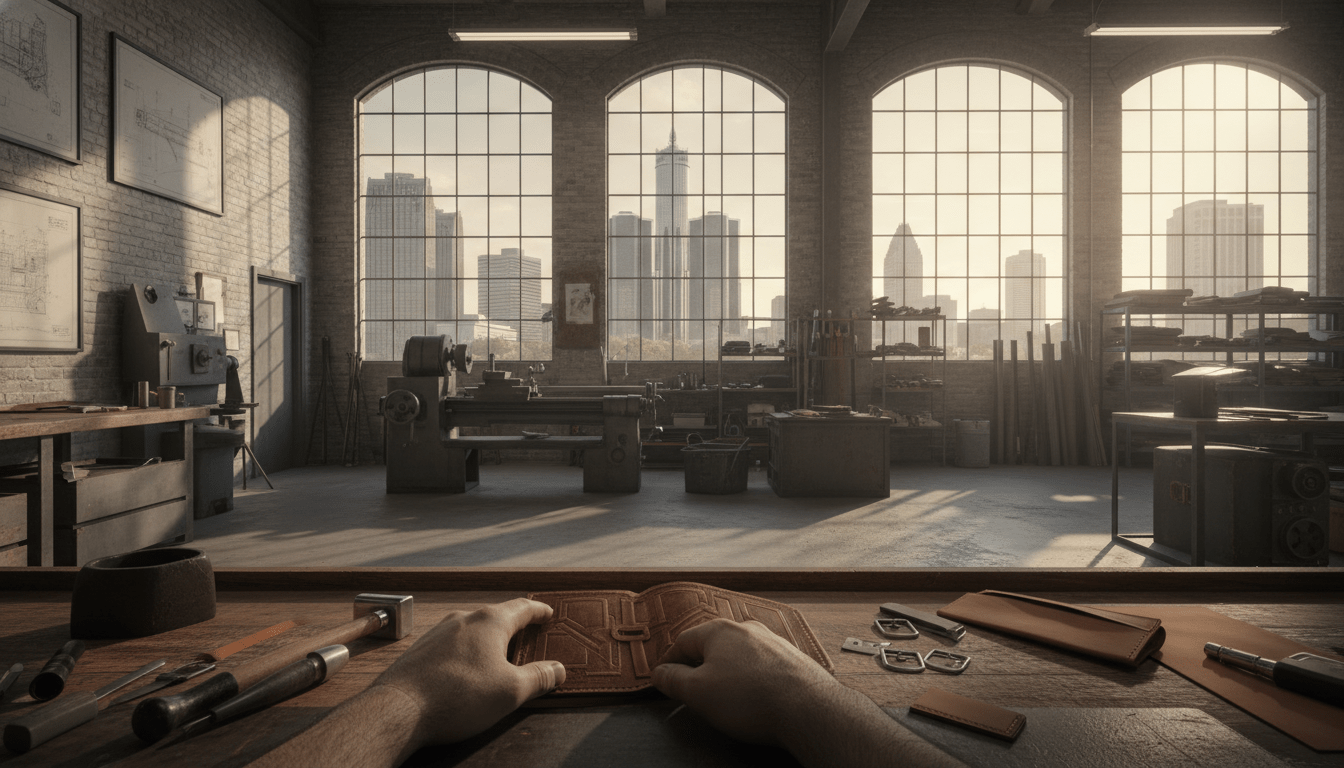
For decades, the phrase “Made in Detroit” was synonymous exclusively with the automotive industry. It conjured images of sprawling assembly lines, heavy steel, and the rhythmic hum of the Big Three. However, as the city approaches the mid-2020s, that label is undergoing a significant transformation. A new wave of manufacturing—characterized by small-batch production, artisanal craftsmanship, and diverse industrial output—is redefining what it means to build a business in the Motor City.
From high-end timepieces to sustainable textiles, the diversification of Detroit’s manufacturing sector is providing a crucial buffer against economic volatility while fostering a renewed sense of civic pride. According to recent data from the Detroit Economic Growth Corporation (DEGC), the small-business manufacturing sector has seen steady growth over the last five years, signaling a shift in the city’s fundamental economic DNA.
The Evolution of ‘Made in Detroit’
The narrative of Detroit’s economy is often painted in broad strokes, but the details reveal a more nuanced reality. While automotive manufacturing remains the backbone of the region, the definition of local production has expanded. This evolution is driven by a combination of relatively affordable industrial space and a workforce with a deep-seated legacy of making things.
Local entrepreneurs are leveraging the city’s brand equity to market products globally. The “Made in Detroit” stamp has become a badge of resilience and quality. “It’s not just about geography anymore; it’s about a philosophy of grit,” explains Mark Henderson, a supply chain analyst who tracks regional manufacturing trends. “Consumers are willing to pay a premium for goods produced here because they buy into the story of the city’s comeback.”
This sentiment is backed by numbers. Reports indicate that businesses emphasizing their Detroit heritage in branding see higher engagement rates from both local and national consumers compared to generic competitors.
Impact on Detroit Residents
For local residents, this shift translates into tangible opportunities. The rise of the maker economy is creating jobs that, while different from the unionized auto jobs of the past, offer new pathways to employment. These roles often require specialized skills in technology, design, and precision machining.
Furthermore, the revitalization of industrial spaces into mixed-use workshops has activated neighborhoods that were previously dormant. Areas like Milwaukee Junction and Corktown are seeing increased foot traffic and commerce, driven by these new manufacturers setting up shop.
However, challenges remain. Workforce development programs are racing to keep up with the demand for specific technical skills needed in modern boutique manufacturing. “We need to ensure that long-time Detroiters are the ones filling these new roles,” says a representative from a local workforce development non-profit. “The economic benefit must remain within the community.”
Background & Data
The shift toward diversified manufacturing is supported by city and state initiatives aimed at reducing reliance on a single industry. Data from the U.S. Census Bureau highlights a gradual increase in the number of small manufacturing establishments in Wayne County over the last decade.
Additionally, incentive programs designed to lower the barrier of entry for startups have played a pivotal role. Grants facilitating the purchase of machinery and the rehabilitation of vacant commercial properties have allowed smaller players to enter the market. This contrasts with the massive tax breaks historically reserved for large corporations, marking a democratization of economic support.
For more on the city’s economic strategies, readers can review our coverage on Detroit’s Small Business Grant Programs.
What Happens Next
As we move toward 2025, the trajectory for the “Made in Detroit” brand appears robust. The focus is expected to shift heavily toward sustainability and technology. Green manufacturing—producing goods with a lower carbon footprint—is becoming a priority for the city’s industrial planning committees.
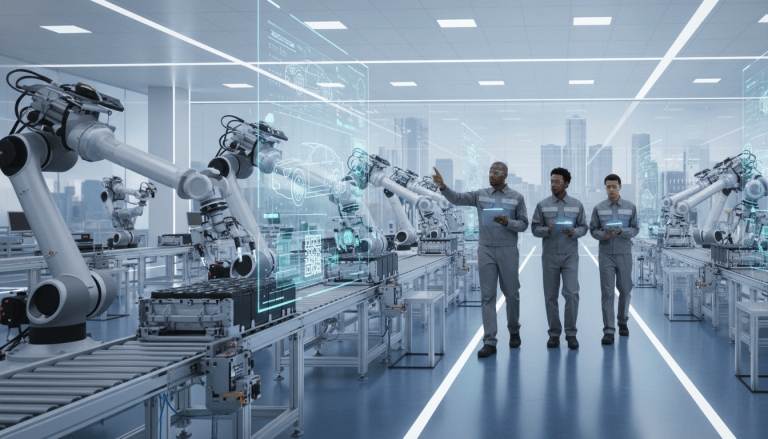
Experts predict that the integration of AI and automation in small-scale manufacturing will allow Detroit’s boutique producers to scale their operations without sacrificing quality. The city is poised to become a hub not just for cars, but for a diverse array of American-made goods.
For further reading on local infrastructure supporting this growth, see our report on Detroit’s Logistics and Transport Upgrades.