
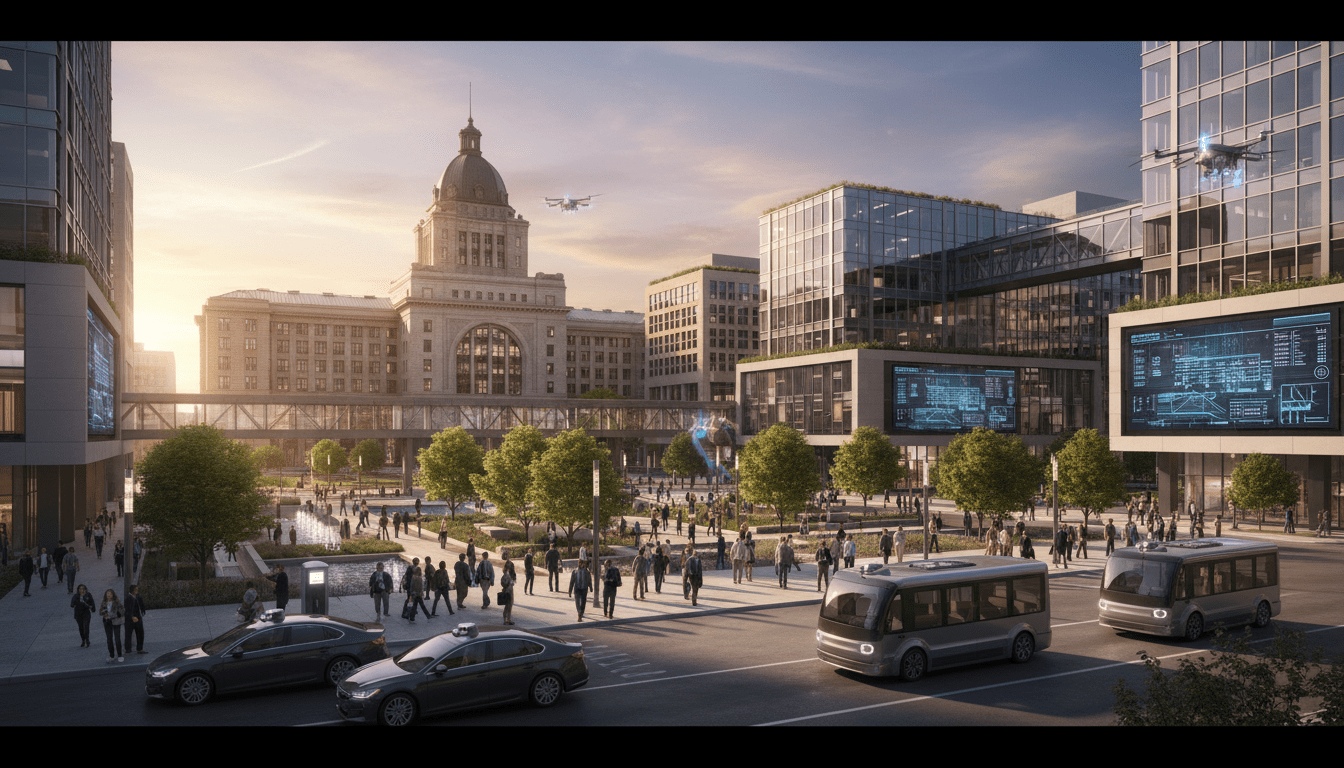
The reopening of the Michigan Central Station was a historic moment for architectural preservation, but for Detroit’s economy, the real story lies in what happens next. The rapid development of the Michigan Central innovation district is signaling a pivotal shift in the city’s economic landscape, moving from traditional manufacturing to a diversified ecosystem of mobility technology, startups, and green energy infrastructure.
Located in Corktown, the 30-acre campus anchored by the restored train station is projected to host thousands of workers. However, beyond the corporate tenants, the district is acting as a catalyst for small business growth and workforce development initiatives designed to ensure longtime Detroiters participate in this new economic chapter.
A Hub for Mobility and Tech Startups
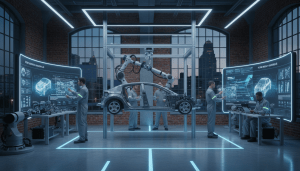
The vision for the Michigan Central innovation district extends far beyond office space. According to Ford Motor Company, which spearheaded the restoration, the campus is designed to be an open platform for partnerships. This includes the Book Depository building, now transformed into a collaborative workspace for startups focused on aerial mobility, energy solutions, and automated transportation.
Data from the Michigan Economic Development Corporation (MEDC) suggests that the concentration of mobility assets in Southeast Michigan is unique globally. The innovation district serves as a physical center of gravity for this sector. By clustering huge industry players alongside agile startups, the district aims to accelerate the development of technologies that will define the next century of transportation.
Local economists have noted that this clustering effect is crucial. It moves Detroit from solely being a production hub to being the intellectual property capital of the automotive world. This shift is essential for the city’s long-term economic resilience against market fluctuations that have historically plagued the manufacturing sector.
Impact on Detroit Residents and Workforce
A primary concern for local residents has been whether this massive influx of investment will benefit the existing community or lead to displacement. In response to these concerns, the City of Detroit and Ford have implemented specific community benefits agreements.
According to city officials, the development is tied to robust workforce training programs. Detroit at Work has partnered with tenants in the district to create pipelines for local hiring. The goal is to fill a significant portion of the new tech and service roles with residents from the surrounding neighborhoods.
Furthermore, the increased foot traffic is already benefiting the local hospitality sector. Restaurants and retail shops along Michigan Avenue have reported an uptick in business, a trend expected to grow as the office spaces reach full capacity. However, housing affordability remains a critical topic. The city has emphasized that affordable housing developments in Corktown are being fast-tracked to ensure the neighborhood remains accessible to diverse income levels.
Background & Data: The Economics of Restoration
The transformation of the Michigan Central innovation district represents an investment exceeding $950 million. This capital injection has triggered a ripple effect in property values and commercial interest throughout the greater downtown area.
Recent reports indicate that commercial vacancy rates in the immediate vicinity have dropped as suppliers and tech partners seek proximity to the hub. Google, a founding partner in the district, has committed to providing digital skills training, further bridging the gap between physical infrastructure and human capital.
It is worth noting that this development aligns with broader state goals. The “Michigander EV Scholars” program and other state-led initiatives are feeding talent directly into the companies setting up shop in Corktown. This alignment between state education policy and local economic development is creating a more cohesive strategy for growth than the city has seen in decades.
What Happens Next?
Looking ahead to 2025 and beyond, the focus will shift to the integration of the district with the rest of the city. Infrastructure improvements, including the potential for better transit connectors and the proposed Joe Louis Greenway expansion, will be vital in connecting the innovation district to neighborhoods further afield.
As tenants continue to move in and the testing of autonomous technologies on local streets becomes more visible, the Michigan Central innovation district will serve as a living lab. For Detroit, the success of this district is not just about filling office chairs; it is about proving that a legacy industrial city can successfully pivot to lead the knowledge economy.