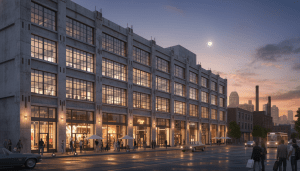

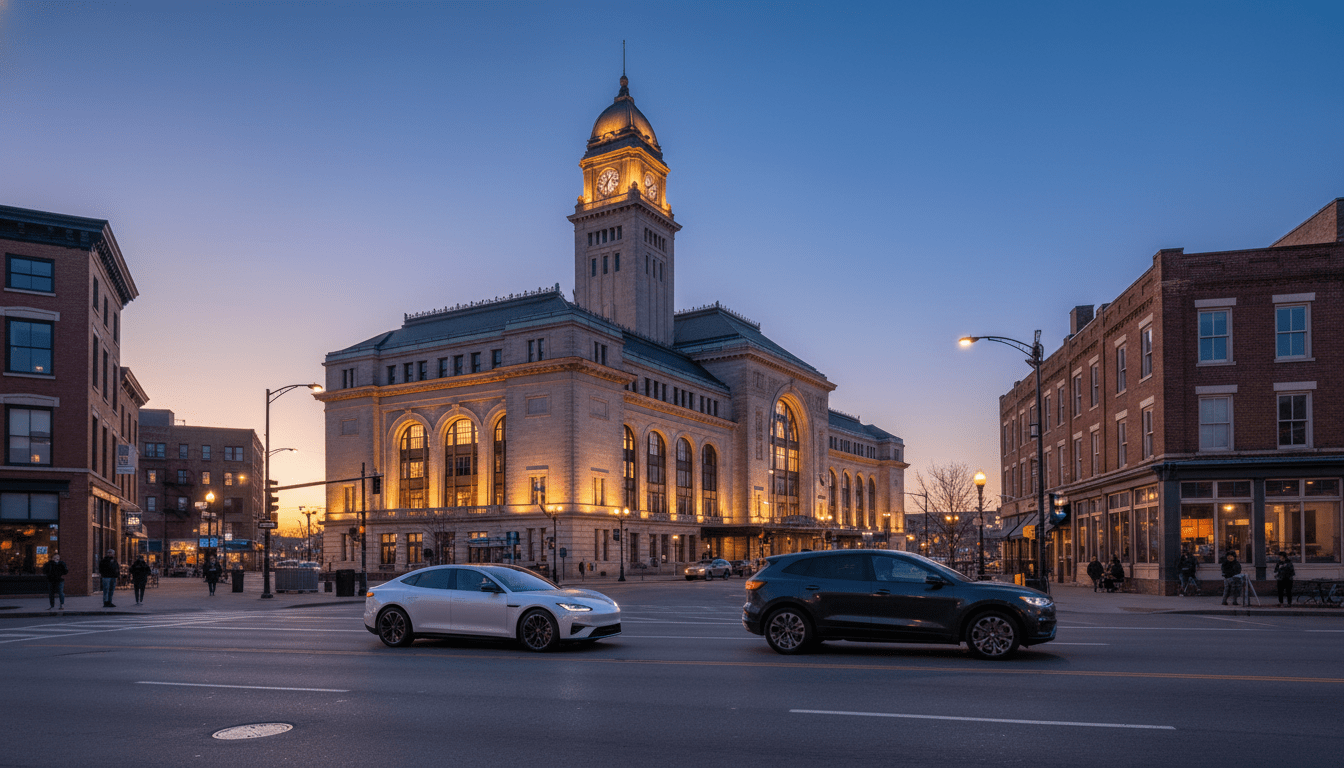
The long-awaited restoration of Detroit’s iconic train depot is doing more than just beautifying the skyline; the Michigan Central Station impact is rippling through Corktown, fundamentally altering the economic landscape of the city’s oldest neighborhood. As Ford Motor Company moves forward with its mobility innovation district, local stakeholders are witnessing a surge in commercial investment and infrastructure improvements.
Economic Growth in Corktown
Since the initial announcement of the purchase in 2018, property values and commercial interest in the surrounding blocks have climbed steadily. Now, as the campus begins to activate fully, the tangible effects are visible. According to data from the Detroit Economic Growth Corporation (DEGC), commercial occupancy rates in the district have outperformed the city average over the last two quarters.
“This isn’t just about one building,” said a representative for the Corktown Business Association. “The influx of workers and tourists is providing a customer base that legacy businesses have needed for years, while attracting new ventures that see the long-term value of the area.”
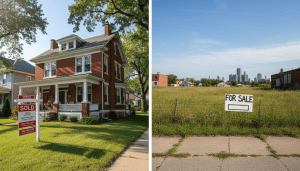
For residents, the changes are mixed. While many welcome the removal of blight, others are closely monitoring rising property values in the area to ensure long-term residents aren’t priced out of the neighborhood.
Analyzing the Michigan Central Station Impact on Transit
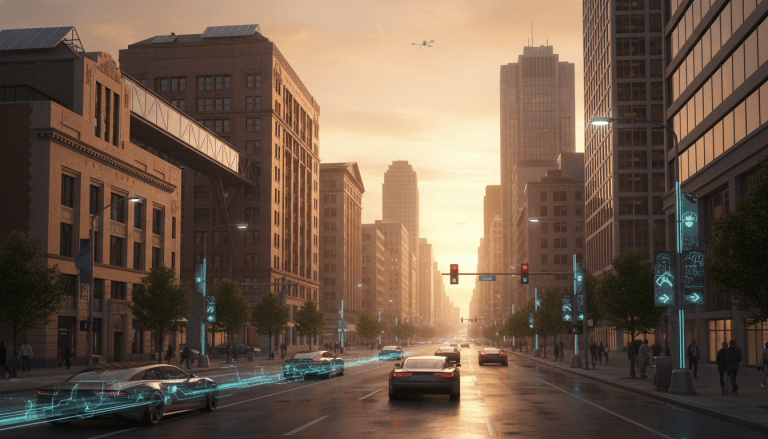
A key component of the development is its focus on future mobility. The district is serving as a testing ground for autonomous vehicles and smart city infrastructure. This focus aligns with the city’s broader transit infrastructure plans, aiming to connect the district more efficiently to Downtown and the riverfront.
City officials have noted that the station is acting as an anchor, justifying new requests for federal infrastructure grants. “The density being created here allows us to advocate for better connectivity,” a spokesperson for the Department of Public Works stated during a recent town hall.
Community Response and Future Developments
While the economic metrics are positive, community benefits agreements remain a focal point of the conversation. Ford and the City of Detroit have committed to ensuring that the development benefits local residents through job training programs and designated community spaces within the park.
According to the official project timeline, the next phase will focus on filling the retail spaces within the station’s concourse, expected to bring a mix of local Detroit vendors and regional brands. As the district evolves, the Michigan Central Station impact will likely be used as a case study for heritage-led urban regeneration across the Rust Belt.