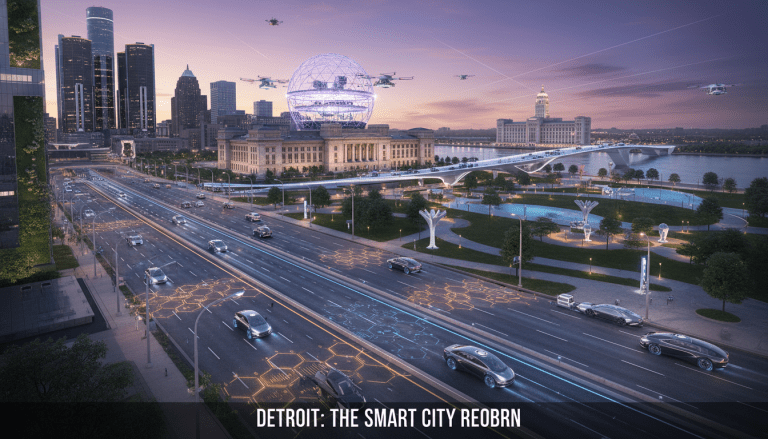

For over a century, Detroit has been defined globally by the production of the private automobile. However, a quiet revolution is taking place on the city’s streets and in its tech hubs that aims to redefine how residents move. Mobility-as-a-Service (MaaS) in Detroit is shifting the focus from vehicle ownership to vehicle access, integrating public transit, ride-sharing, bike-sharing, and autonomous technologies into a single, cohesive ecosystem.
As the city continues its revitalization efforts, the concept of MaaS has moved from theoretical discussions in boardrooms to tangible applications on the pavement. Led by initiatives from the City of Detroit’s Office of Mobility Innovation and partnerships with major automotive players, Detroit is attempting to position itself not just as a manufacturer of cars, but as a premier testbed for the future of transportation.
The Evolution of the Detroit Mobility Ecosystem
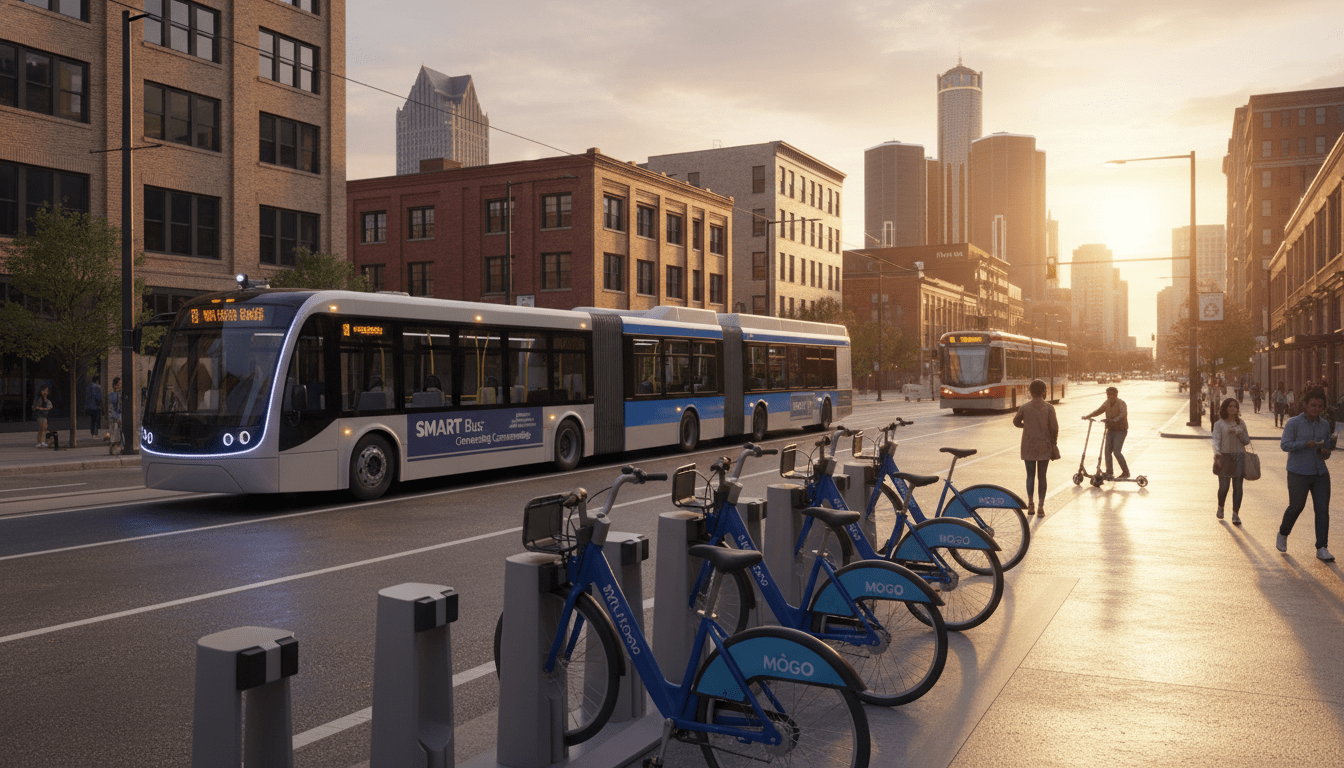
Mobility-as-a-Service is defined by the integration of various forms of transport services into a single mobility service accessible on demand. In Detroit, this ecosystem has been fragmented historically, but recent years have seen significant strides toward unification. The launch of the Dart app was a pivotal moment, finally allowing riders to pay for both Detroit Department of Transportation (DDOT) and Suburban Mobility Authority for Regional Transportation (SMART) buses through a single digital interface.
According to the City of Detroit’s Office of Mobility Innovation, the goal is to create a frictionless experience where a resident can plan a trip that involves a bus ride, a QLine trip, and a MoGo bike rental all within one digital environment. This interoperability is the cornerstone of a functional MaaS network.
“The days of viewing transit as separate silos are ending,” said a representative involved in regional transit planning during a recent mobility forum. “For a Detroiter to get to a job in the suburbs or downtown, the transition between different modes of transport needs to be seamless. That is what Mobility-as-a-Service in Detroit is striving to achieve.”
Michigan Central and Industry Innovation
A significant driver of this shift is the development of Michigan Central in Corktown. Ford Motor Company’s restoration of the historic train station is not merely an architectural preservation project; it is the anchor of a 30-acre mobility innovation district. This district serves as a real-world testing ground for mobility solutions that feed into the broader MaaS concept.
Startups and established tech firms within the district are experimenting with autonomous shuttles and smart infrastructure that talks to vehicles. These technologies are intended to eventually plug into the public transit network, solving the “first-mile/last-mile” problem that plagues traditional bus systems. For deeper coverage on local development, read our coverage on the latest Detroit development projects transforming the skyline.
Impact on Detroit Residents
While high-tech innovation captures headlines, the primary metric of success for Mobility-as-a-Service in Detroit is how it improves the lives of everyday residents. In a city where car insurance rates are among the highest in the nation, reliance on personal vehicles can be a financial burden. An effective MaaS system offers a viable economic alternative.
Data from local workforce development agencies suggests that transportation reliability is one of the top barriers to employment for Detroiters. By integrating services, the city hopes to reduce commute times and increase reliability. For example, the integration of MoGo bike stations near major bus stops allows commuters to bypass walking long distances, making public transit a more time-efficient option.
Furthermore, mobility hubs are being established in neighborhoods outside of the downtown core. These hubs are designed to centralize access to scooters, car-share programs, and transit stops, ensuring that the benefits of MaaS are not reserved solely for the central business district. This aligns with broader initiatives discussed in our reports on Detroit neighborhoods and economic growth.
Challenges in the Transition
Despite the progress, significant hurdles remain. The reliability of the underlying public transit network—specifically DDOT bus frequency—remains a point of contention for riders. A MaaS app can plan a perfect trip, but if the physical bus does not arrive on schedule, the digital convenience is rendered moot.
Additionally, the digital divide poses a challenge. Mobility-as-a-Service relies heavily on smartphone access and digital banking. City officials and community advocates have emphasized that solutions must remain accessible to unbanked residents and those without reliable internet access, ensuring that the “future of mobility” does not leave behind the city’s most vulnerable populations.
The Road Ahead: 2025 and Beyond
Looking toward the future, the roadmap for Mobility-as-a-Service in Detroit includes greater automation and regional cooperation. Plans are underway to expand the capabilities of transit apps to include real-time parking data and electric vehicle charging station availability, catering to the hybrid reality of the current transportation landscape.
The vision is ambitious: a Detroit where owning a car is a choice, not a necessity. By leveraging its heritage as an automotive giant and pivoting toward a service-based model, Detroit is attempting to engineer a transit comeback that could serve as a model for other post-industrial cities.