
By Sarah Jenkins
Published: October 24, 2023
Location: Detroit, Michigan
Detroit’s Evolution: The Rise of Mobility as a Service in the Motor City
For decades, Detroit has been synonymous with the private automobile. The city was built for cars, by cars. However, a significant shift is currently underway as city planners, tech startups, and automotive giants collaborate to redefine how residents move through the region. This concept, known as Mobility as a Service (MaaS) in Detroit, aims to shift the focus from personal vehicle ownership to shared, integrated transportation solutions.
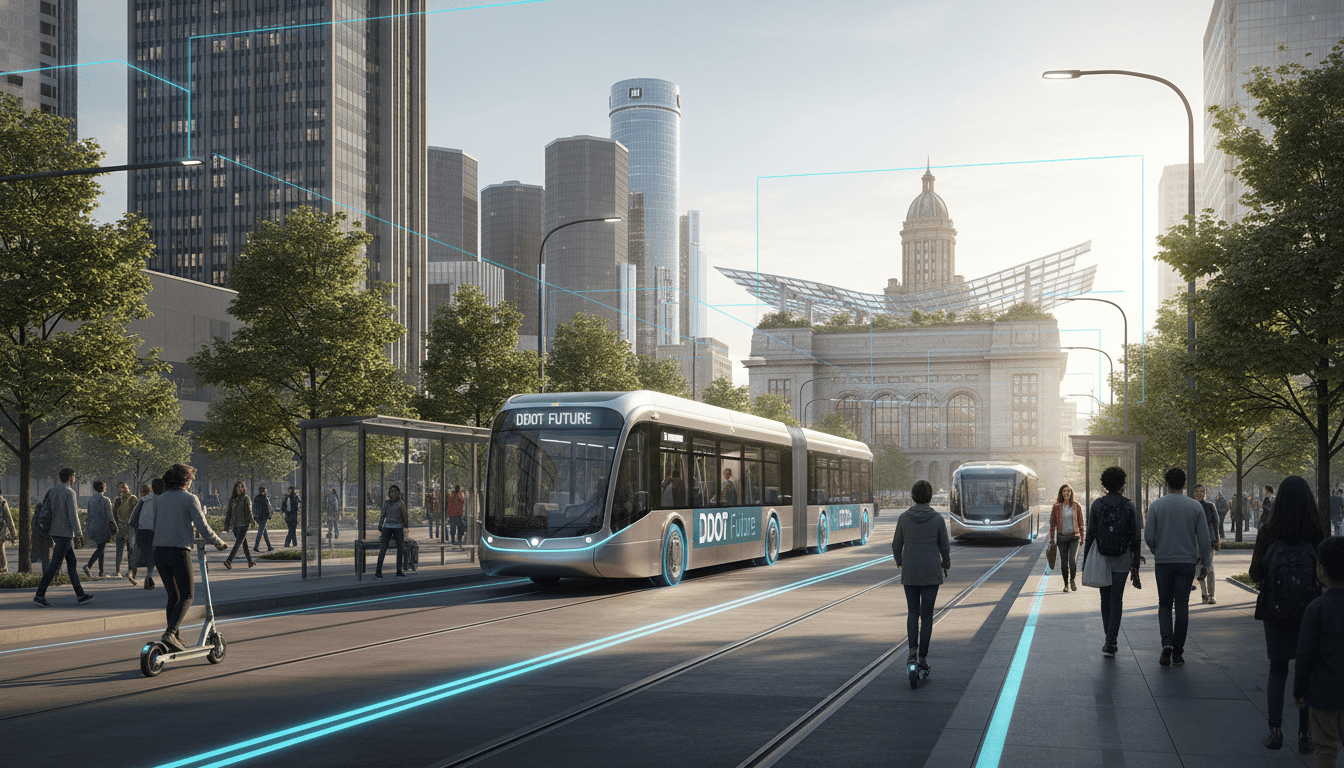
The goal is to create a seamless network where a resident can plan, book, and pay for a trip involving multiple modes of transport—such as a bus, an autonomous shuttle, and a scooter—all through a single digital interface. While the vision is ambitious, the infrastructure is already being laid across the city.
The Current State of Detroit Mobility Solutions
The core philosophy of Mobility as a Service is connectivity. Currently, Detroit’s transit landscape is somewhat fragmented, involving the Detroit Department of Transportation (DDOT), the suburban SMART bus system, the QLINE, and the People Mover. MaaS seeks to unify these disparate systems digitally.
According to the City of Detroit’s Office of Mobility Innovation, the objective is to leverage technology to fill the gaps in public transit. This includes the integration of micro-mobility options like MoGo bike shares and electric scooters (Bird, Lime, Spin) into the broader transit conversation.
Recent initiatives have focused on the “first mile/last mile” problem. For example, pilot programs involving autonomous shuttles, such as the Connect AV shuttle, are testing how driverless technology can move people from residential areas to major transit hubs without requiring a private car.
Impact on Detroit Residents
For the average Detroiter, the implementation of robust Mobility as a Service in Detroit promises to reduce the financial burden of car ownership. With insurance rates in the city being among the highest in the nation, reliable alternatives are an economic necessity, not just a luxury convenience.
Residents are beginning to see changes in how they can access the city. The integration of payment systems—such as the Dart app, which works across DDOT and SMART—was an early step toward MaaS. Future developments aim to include ride-hailing services and micro-mobility rentals in that same payment ecosystem.
“The idea is that you shouldn’t need a car key to have access to opportunity in Detroit,” said a representative from a local transit advocacy group. “If we can make hopping from a bus to a scooter as easy as calling an Uber, we change the economic landscape for families here.”
Background and Innovation Hubs
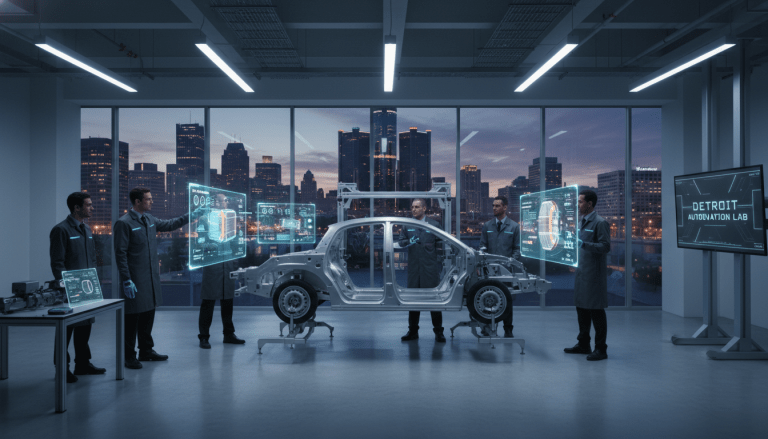
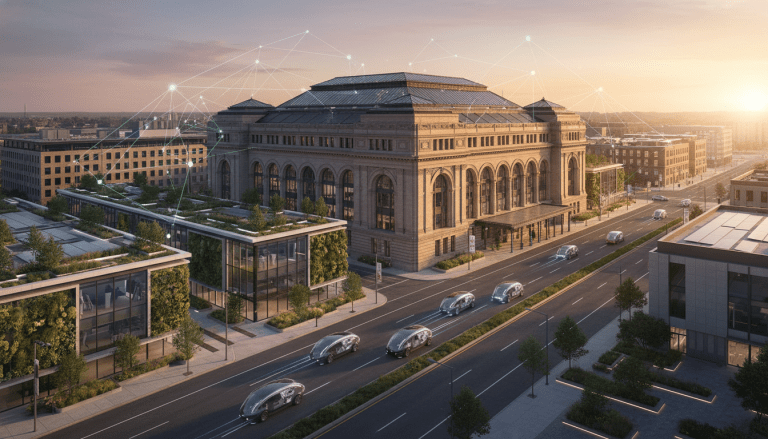
The push for these technologies is heavily supported by the private sector. The redevelopment of Michigan Central Station by Ford Motor Company is positioned as a global hub for mobility innovation. This district is not just about manufacturing vehicles but about designing the software and systems that will manage urban flow.
Data from the Southeast Michigan Council of Governments (SEMCOG) indicates that while personal vehicle travel remains dominant, demand for flexible transit options is growing among younger demographics and seniors alike. The challenge remains infrastructure; MaaS software works best when the physical assets (buses, rails, bike lanes) are reliable and safe.
Connecting the Dots
Integrating technology with traditional infrastructure is complex. It requires real-time data sharing between private companies (like Uber or Lyft) and public entities (DDOT). Detroit has been proactive in establishing public-private partnerships to facilitate this data exchange, positioning itself as a testbed for smart city technologies.
What Happens Next
Looking ahead, Detroit is expected to expand its autonomous vehicle corridors. The project to retrofit lanes on I-94 for connected and automated vehicles is a major step toward a future where infrastructure talks to vehicles. For residents, the immediate future will likely bring more unified apps and potentially subscription-based mobility packages, where a monthly fee covers unlimited access to bikes, buses, and discounted ride-shares.
As Mobility as a Service in Detroit matures, the Motor City is attempting to rebrand itself—not just as the place where cars are made, but as the place where the future of transportation is defined.