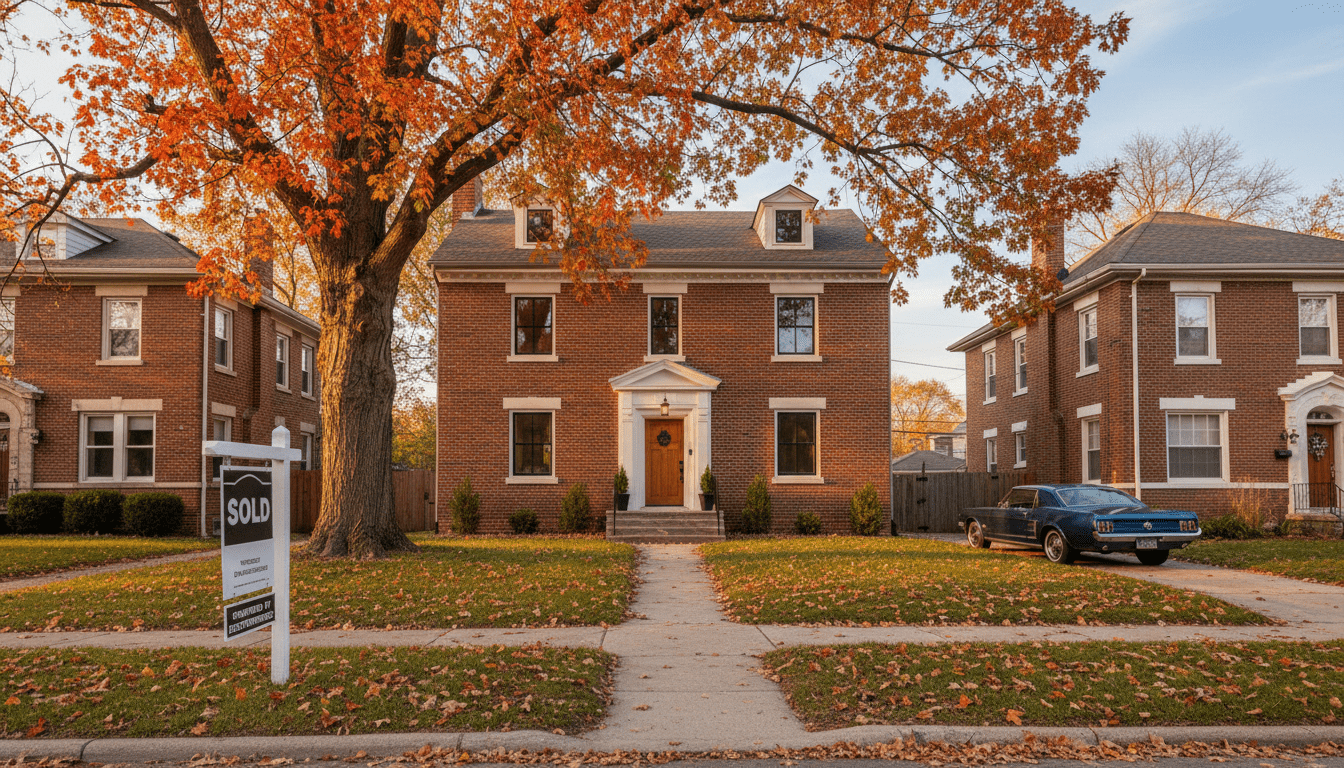
Despite a cooling national real estate market driven by fluctuating interest rates, the trend of moving to Detroit continues to show resilience, fueled by a unique combination of housing affordability and revitalized neighborhood inventory. Recent data indicates that while the frantic bidding wars of the post-pandemic era have subsided, steady demand persists from both coastal transplants and regional buyers looking to capitalize on Detroit’s value proposition.
According to recent housing market reports, the median sale price in Detroit remains significantly lower than the national average, creating an economic gravity that continues to attract newcomers. However, the narrative is shifting from pure speculation to long-term residency, with a marked increase in owner-occupant purchases in neighborhoods outside the immediate downtown core.
Analyzing the Inbound Migration Data
Data from the U.S. Census Bureau and real estate analytics firms suggest that the demographic profile of those moving to Detroit is evolving. While downtown and Midtown have historically attracted young professionals, recent quarters have seen a rise in families targeting historic neighborhoods such as the University District, Bagley, and East English Village.
According to a 2024 regional housing report, Detroit’s housing inventory has seen a modest increase of 4.5% year-over-year. This rise in inventory is crucial for stabilizing prices and offering options to prospective residents. Real estate analysts point out that unlike the scarcity seen in markets like Austin or Phoenix, Detroit offers a tangible stock of historic homes ripe for renovation.
“The value gap is undeniable,” said a senior analyst from a local housing non-profit. “When a buyer from Chicago or New York looks at the square footage available in Detroit for under $250,000, the math regarding moving to Detroit often outweighs the concerns regarding interest rates. We are seeing a steady stream of buyers who are priced out of secondary markets turning their attention here.”
Furthermore, local employment trends play a role. As detailed in our recent analysis of the local job market, the stabilization of the automotive sector combined with growth in fintech and tech mobility sectors is providing the economic confidence required for relocation.
The Neighborhood Shift: Beyond Downtown
For years, the headline story regarding Detroit real estate focused heavily on the 7.2 square miles of the greater downtown area. However, the current wave of activity is broader. Neighborhoods that were previously overlooked are seeing accelerated activity, partly driven by the scarcity of turnkey homes in premium districts like Indian Village or Palmer Woods.
Real estate agents report that buyers are increasingly willing to take on moderate rehabilitation projects. This aligns with the strategic release of properties by the Detroit Land Bank Authority (DLBA). The DLBA has shifted strategies to bundle properties and prioritize sales to buyers with rehabilitation plans, rather than bulk sales to speculators. This policy shift aims to increase the number of occupied homes rather than just sold properties.
Additionally, the ongoing developments in Corktown surrounding the Michigan Central Station have created a ripple effect, pushing valuation increases into the adjacent neighborhoods of North Corktown and Hubbard Richard.
Impact on Detroit Residents
The influx of new residents raises critical questions regarding equity and displacement for legacy Detroiters. While an increased tax base is necessary for city services, rising property assessments can burden long-term residents. The City of Detroit has acknowledged this tension and implemented programs designed to protect legacy homeowners.
“We have to balance the excitement of people moving to Detroit with the security of those who stayed,” stated a representative from the City’s Housing and Revitalization Department during a recent town hall. “Programs offering 0% interest home repair loans and property tax exemptions for low-income residents are essential firewalls against displacement.”
Community organizations emphasize that the benefit of new arrivals must be felt by the existing community through improved services and retail options, rather than just higher tax bills. Local business owners in areas like the Avenue of Fashion have reported increased foot traffic, attributing it to the density returning to the surrounding residential streets.
Background: The Land Value Tax Proposal
A major policy discussion currently influencing the decision-making process for investors and homeowners alike is Mayor Mike Duggan’s proposed Land Value Tax. If implemented, this tax structure would reduce taxes on improvements (buildings) while increasing taxes on land. The goal is to discourage land speculation—where owners sit on vacant lots waiting for values to rise—and encourage development and homeownership.
For those considering moving to Detroit, this potential policy shift is significant. It promises to lower property tax bills for the average homeowner by an estimated 17% to 30%, according to city projections. This would directly address one of the primary deterrents historically cited by potential buyers: Detroit’s high property tax rate relative to home value.
Critics of the plan argue it requires complex state-level approval and careful implementation to avoid unintended consequences for residents with large side lots. However, the proposal signals to the national market that the administration is aggressively seeking to remove barriers to residency.
Future Outlook
Looking ahead to the remainder of 2024 and into 2025, the trajectory for Detroit housing appears to be one of normalization rather than boom-and-bust. The frenzy of cash-only bidding wars has largely dissipated, replaced by a more traditional market dynamic where inspections and contingencies are once again standard.
Data from the U.S. Bureau of Labor Statistics indicates that the Detroit-Warren-Dearborn metropolitan statistical area is maintaining employment levels, which supports housing stability. If the Federal Reserve moves to cut interest rates later in the year, local experts predict a surge in inventory absorption, particularly in the $150,000 to $250,000 price bracket.
For now, the window of opportunity remains open. The city offers a rare urban environment where architectural heritage and affordability intersect, ensuring that the narrative of moving to Detroit will remain a key story in national real estate trends for the foreseeable future.