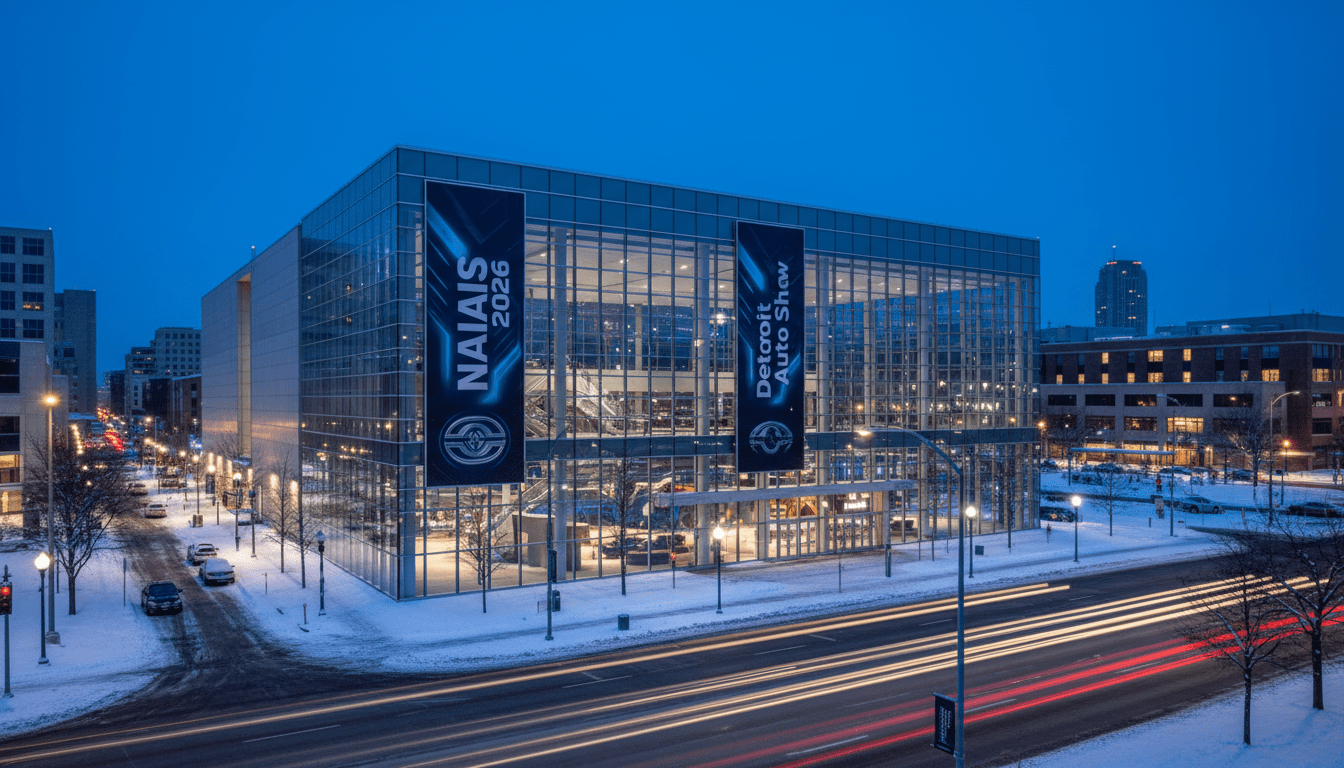
After years of experimenting with scheduling shifts to adapt to a changing automotive landscape, the Detroit Auto Dealers Association (DADA) has made a decisive move regarding the future of the city’s marquee event. Organizers have confirmed that the North American International Auto Show dates for 2026 will mark a return to the event’s traditional January timeline, abandoning the recent September format.
The decision represents a significant pivot for the show, often referred to simply as the Detroit Auto Show, which had moved to the fall in 2022 and 2023 in an attempt to utilize outdoor spaces and engage with a broader lifestyle audience. However, industry feedback and logistical realities have prompted a return to the winter slot that defined the event for decades. Consequently, there will be no auto show in 2025 as the organization prepares for the major relaunch in January 2026 at Huntington Place.
The Decision to Return to January
The confirmation of the North American International Auto Show dates 2026 comes after extensive consultation with automakers, partners, and key stakeholders. According to the Detroit Auto Dealers Association, the primary driver for the move back to January is the global automotive calendar. For decades, Detroit kicked off the year, setting the tone for the industry and serving as the primary venue for global vehicle debuts.
Rod Alberts, executive director of the DADA, noted in press statements that while the September shows provided unique opportunities for outdoor activations, the industry consensus leaned heavily toward a January return. The winter timeline avoids conflicts with other major fall events and aligns better with the product development cycles of major OEMs (Original Equipment Manufacturers).
By skipping 2025, the organization allows itself an 18-month runway to reimagine the show floor and secure commitments from global automakers who have been increasingly selective about where they spend their marketing budgets. This hiatus is seen not as a cancellation, but as a strategic reset to ensure the 2026 iteration restores the prestige associated with the NAIAS brand.
Impact on Detroit Residents and Local Economy
For Detroit residents and the local business community, the shift back to January is widely viewed as a positive development, particularly for the downtown hospitality sector. The downtown Detroit economic landscape relies heavily on convention traffic, and January has historically been a challenging month for hotels and restaurants without the anchor of the auto show.
“The return to January is a game-changer for the service industry in the dead of winter,” said a representative from a local hospitality group operating near Huntington Place. “In September, we compete with the Lions season openers, warm weather festivals, and back-to-school activities. In January, the Auto Show is the only game in town, and it fills rooms that would otherwise sit empty.”
Residents should anticipate a return to the familiar rhythms of previous decades: the Charity Preview gala serving as a mid-winter social highlight, followed by the public show days providing a welcome indoor activity during Detroit’s coldest month. Traffic patterns around Jefferson Avenue and the Lodge Freeway will likely see the familiar congestion associated with the event, necessitating early planning for commuters in early 2026.
Analyzing the “Fall Experiment”
To understand the significance of the North American International Auto Show dates 2026, it is necessary to look at why the show moved to September in the first place. The initial logic was sound: utilize Detroit’s beautiful late-summer weather to create an indoor-outdoor festival. The goal was to offer test drives on city streets, host concerts in Hart Plaza, and create an experience similar to the Goodwood Festival of Speed in the UK.
While the 2022 and 2023 shows did feature some outdoor elements, such as the oversized rubber duck and vehicle activations in Hart Plaza, the format faced hurdles. Sourcing from the Detroit Auto Dealers Association indicated that the fall calendar is incredibly crowded. Media attention was often split between the auto show and the start of the NFL season, reducing the global media impact—a critical metric for automakers deciding whether to host a global reveal in Detroit or wait for CES in Las Vegas or events in Munich.
Furthermore, the September dates meant the show was competing for attention against a bustling Detroit events calendar, whereas in January, the NAIAS commands the city’s full attention.
What to Expect for NAIAS 2026
With the North American International Auto Show dates 2026 set for January, the pressure is on organizers to deliver a modernized experience that justifies the return. The automotive industry has changed drastically since the last January show in 2019. The focus has shifted almost entirely to electric vehicles (EVs), software-defined vehicles, and mobility technology.
The 2026 show is expected to focus heavily on:
- Electric Vehicle Education: With EV adoption growing but facing hurdles regarding consumer education, the indoor track format—which was popular in recent years—will likely be adapted for the indoor setting of Huntington Place to allow attendees to experience EV acceleration and handling.
- Technology Integration: The line between automotive and tech continues to blur. While CES in Las Vegas captures much of the gadgetry, Detroit aims to remain the hub for the actual “metal” and manufacturing prowess.
- Global Debuts: The primary metric of success for the 2026 return will be the number of sheet-metal reveals. Organizers are currently working to secure commitments from Detroit’s Big Three—General Motors, Ford, and Stellantis—as well as international brands that have skipped recent shows.
According to data from the Visit Detroit bureau, major conventions generate hundreds of millions of dollars in economic impact. Restoring the Auto Show to its prime slot helps balance the tourism calendar, ensuring that the city’s infrastructure is utilized year-round rather than just in the warmer months.
Looking Ahead
As Detroit prepares for this transition, local stakeholders are optimistic. The 2025 gap year will be utilized for infrastructure improvements around the convention center and potentially new hotel capacity coming online. For transportation and infrastructure planning, the city now has a clear target date to ensure downtown is ready to welcome the global press and industry executives.
While exact public days and the Charity Preview date are expected to be finalized closer to the event, the message from the DADA is clear: Detroit is reclaiming its winter throne. The North American International Auto Show dates 2026 signify a return to heritage, aiming to bring the global spotlight back to the Motor City when it needs it most.