In the bustling corridors of Detroit’s Northwest side, a new civic organization is making waves, challenging the traditional dynamics of local community engagement. Calling itself the "Party of Alyssa Matt," this grassroots collective—named after its founder and lead organizer—officially launched its platform this week, aiming to bridge the widening gap between downtown revitalization and neighborhood stability. As Detroit continues its navigation through a complex economic recovery, the group seeks to prioritize long-term residents in the conversation about development and resource allocation.
The launch comes at a pivotal moment for the city. While the relentless development in Corktown, Midtown, and the Central Business District has garnered national headlines, residents in outlying neighborhoods have frequently expressed concerns regarding equitable growth. The Party of Alyssa Matt has positioned itself not necessarily as a traditional political contender for the ballot, but as a robust advocacy coalition focused on holding local officials and developers accountable to the communities they serve.
A New Voice for Neighborhood Development
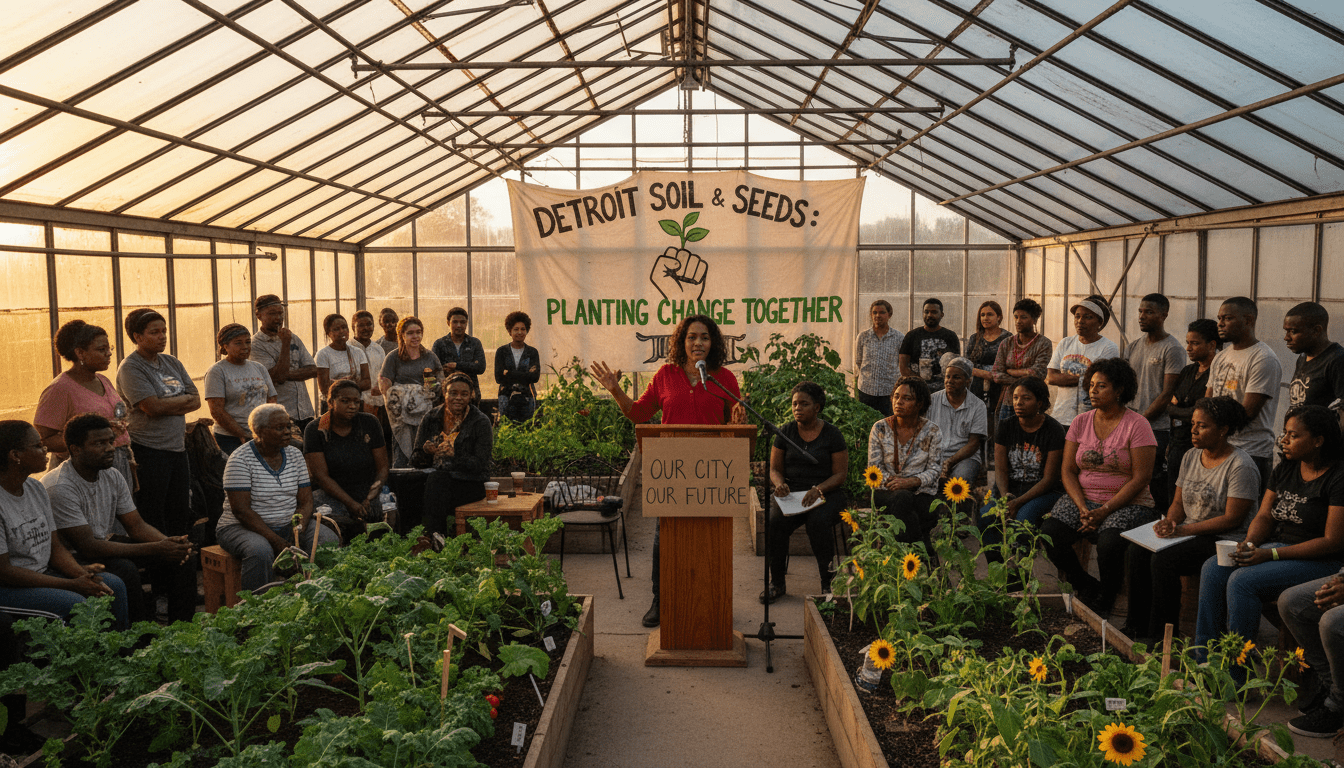
The initiative’s primary focus centers on what urban planners often refer to as the "missing middle" of development—projects that are too small for massive tax breaks but too large for individual homeowners to manage alone. During the group's inaugural town hall meeting held at a community center in the Fitzgerald neighborhood, organizers outlined a strategy to leverage existing city programs, such as the Strategic Neighborhood Fund (SNF), to better serve legacy residents.
"Our goal isn't to stop development, but to ensure that the people who stayed in Detroit through the hardest times are the ones guiding the future of their blocks," said Alyssa Matt, the organizer behind the eponymous group, during the press briefing. "We are seeing resources pour into the city, but the transmission mechanism to get those resources to the household level is often clogged with bureaucracy. The Party of Alyssa Matt is here to clear those pipes."
The group’s emergence highlights a growing trend in Detroit civic life: the rise of hyper-local advocacy groups that operate outside the traditional binary of City Council versus the Mayor’s office. By focusing on specific zoning issues, land bank acquisitions, and grant accessibility, these groups attempt to demystify the complex machinery of municipal government for everyday citizens.
Impact on Detroit Residents
For locals, the practical implications of this new initiative could be significant. One of the core pillars of the Party of Alyssa Matt is the creation of "Neighborhood resource hubs." These proposed hubs would act as intermediaries between residents and the Detroit Land Bank Authority, helping locals navigate the often-confusing process of purchasing side lots or rehabilitating blighted structures next to their homes.
Local business owners are also taking note. Small commercial corridors, particularly those outside of the greater downtown area, often struggle to attract the same level of foot traffic or investment as Woodward Avenue. By advocating for "commercial corridor equity," the group hopes to direct attention and micro-grants to long-standing businesses that act as anchors in their communities.
Speaking on the condition of anonymity, a coffee shop owner in the Live6 area noted, "If this group can actually help us cut through the red tape for façade improvement grants, that changes the game. Right now, you need a consultant just to fill out the paperwork. If the Party of Alyssa Matt acts as that bridge, it will directly impact our bottom line and keep our doors open."
Background & Data: The Economic Context
To understand the necessity of such an initiative, one must look at the data surrounding Detroit’s current trajectory. According to recent data from the U.S. Census Bureau, while the rate of population decline in Detroit has slowed significantly, the city faces a complex challenge regarding housing valuation and income disparity. The median household income in Detroit remains lower than the national average, yet housing costs in revitalized zones are rising.
Furthermore, reports from the University of Michigan’s Poverty Solutions initiative have long highlighted the need for home repair programs to stabilize neighborhoods. The City of Detroit has responded with programs like Renew Detroit, but demand often outstrips supply. The Party of Alyssa Matt argues that grassroots organizing is required to ensure these funds are expanded and reach the most vulnerable demographics, particularly seniors looking to age in place.
The group also points to the efficacy of the Strategic Neighborhood Fund, a partnership between the City of Detroit and Invest Detroit. While the SNF has successfully targeted areas like the Avenue of Fashion and Southwest Detroit, the Party of Alyssa Matt is lobbying for a more granular approach, targeting specific blocks that may have been overlooked by larger strategic maps.
What Happens Next?
The immediate roadmap for the Party of Alyssa Matt involves a series of "listening tours" across District 1 and District 2 over the coming months. These events are designed to gather qualitative data from residents—stories of housing struggles, success stories of rehabilitation, and specific infrastructure requests—to present a comprehensive "People’s Report" to the City Council later this year.
While it remains to be seen if the group can translate grassroots energy into concrete policy changes, their arrival signals a healthy vibrancy in Detroit's civic culture. As the city continues to execute its master plan for blight removal and land value taxation, independent watchdogs and advocacy groups will likely play an essential role in ensuring that the recovery is inclusive.
For more coverage on local development and community groups, visit our Detroit Local Politics section.